
Ebola continues to spread across eastern DR Congo as cases rise
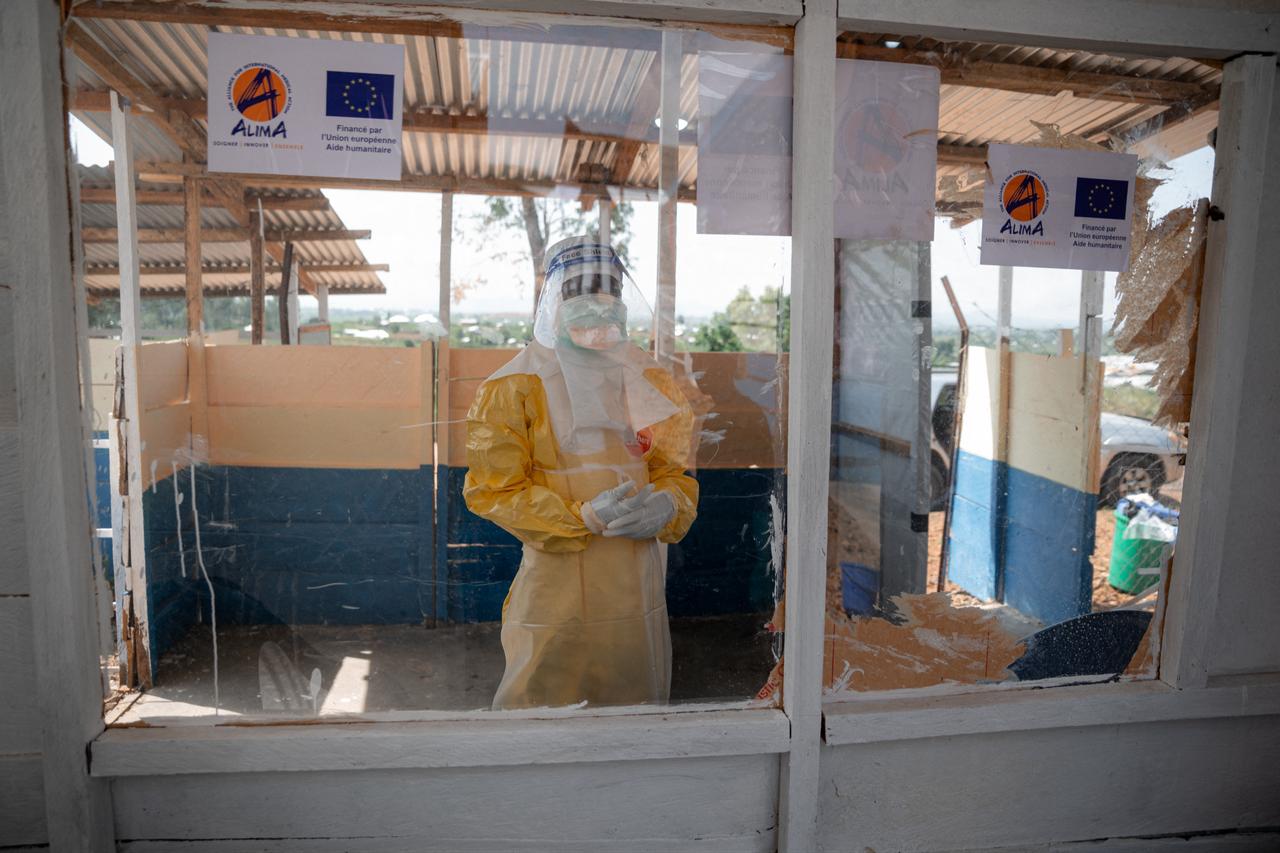
Healthcare workers wearing personal protective equipment operate in the red zone at the Ebola treatment centre of the Rwampara General Reference Hospital in Rwampara, Ituri Province, Democratic Republic of Congo, June 12, 2026. (AFP Photo)
June 13, 2026 09:26 AM GMT+03:00
The Ebola outbreak in northeastern Democratic Republic of Congo (DRC) is expanding beyond previously identified areas and is likely larger in scale than current figures indicate, the World Health Organization (WHO) said on Friday.
The health agency warned that additional measures are urgently needed to contain the outbreak, as isolation facilities and medical resources remain insufficient to meet the growing demand.
According to the latest WHO figures, the outbreak has recorded 676 confirmed Ebola cases, including 136 deaths, since it was declared on May 15. A further 119 suspected cases are under investigation, while 32 patients have recovered.
The outbreak is caused by the rare Bundibugyo strain of Ebola, for which no approved vaccines or specific treatments currently exist. The virus is primarily affecting Ituri province, with additional cases reported in North Kivu and South Kivu provinces.
WHO epidemiologist Olivier le Polain said the outbreak is continuing to spread both in terms of case numbers and geographical reach. He said new infections are being detected almost daily in previously unaffected health zones.
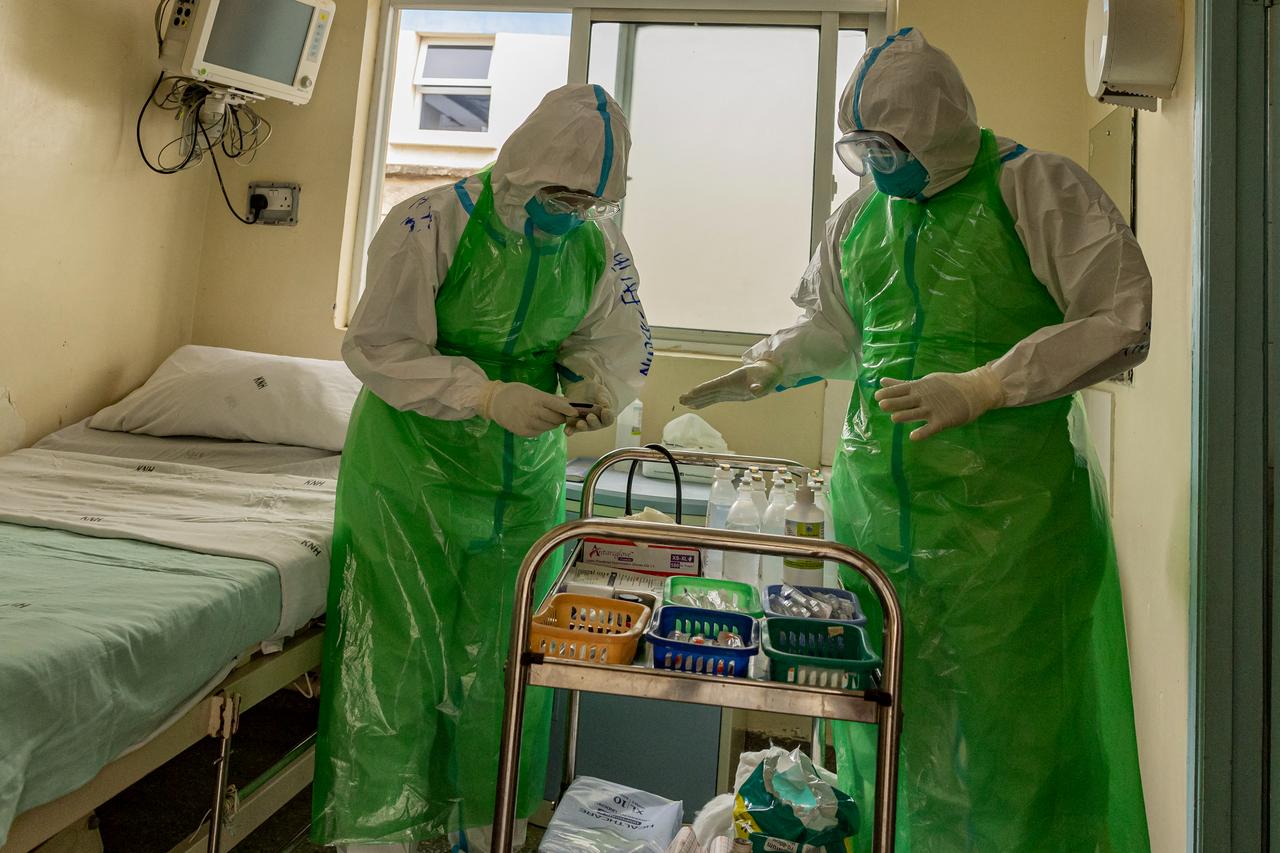

Two nurses in their Personal Protection Equipment (PPE) prepare to receive a patient with a highly infectious disease such as Ebola, during a simulation exercise at the special isolation ward of the department of Infectious Diseases Unit (IDU) at the the Kenyatta National hospital in Nairobi, June 12, 2026. (AFP Photo)
Health care capacity under pressure
Le Polain said contact tracing efforts had improved but remained below the level needed to effectively control the outbreak, with slightly more than 70% of contacts being successfully traced.
He said the progress represented a significant improvement compared with previous weeks, but warned that the current level was still insufficient to ensure proper control of transmission.
“Surveillance can scale up, but if you don’t have any space to put your patients safely, it becomes very difficult,” Le Polain said.
He added that, based on the expected direction of the outbreak, the current capacity of 250 isolation beds across the affected provinces would not be sufficient and would need to be expanded rapidly.
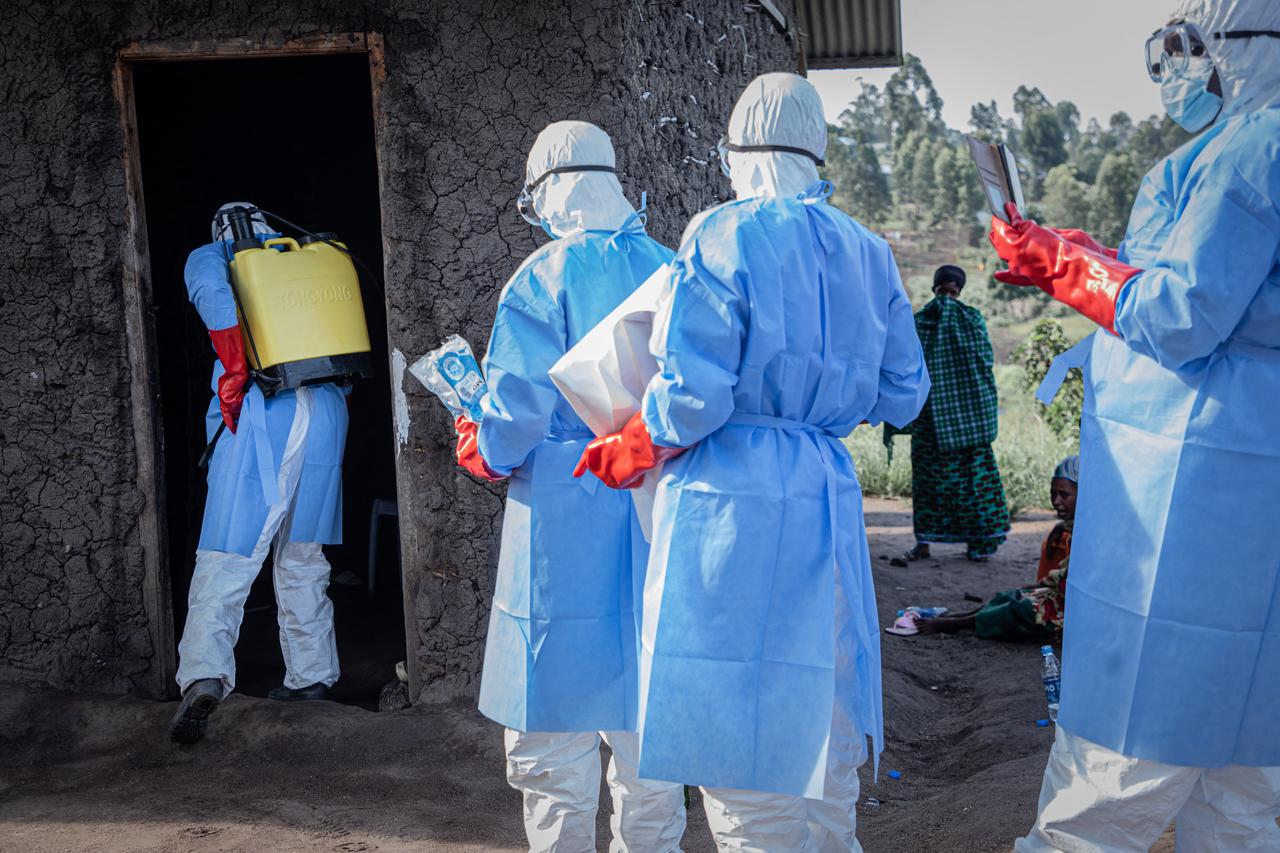
A volunteer, wearing a protective suit, disinfects the door of the house where a child, presumed dead of Ebola virus disease, is located, in Bunia, June 11, 2026. (AFP Photo)
Children at increased risk
The United Nations children’s agency UNICEF warned that the number of Ebola cases among children could increase in the coming weeks due to household transmission.
UNICEF officials said children in affected communities are particularly vulnerable because of existing health challenges, including high levels of malnutrition among young children in Ituri province.
The Ebola outbreak has also crossed the border into neighboring Uganda, where 19 confirmed cases and two deaths have been reported.
The African Union’s health agency said the situation in Uganda remains under control, but authorities continue to monitor the risk of further regional spread.
The WHO has classified the risk level as very high in the DRC, high in Uganda and neighboring countries and low elsewhere.

June 13, 2026 09:26 AM GMT+03:00
Credit: Source link