

Ebola cases in DR Congo surpass 4,000 as outbreak becomes fastest-spreading on record
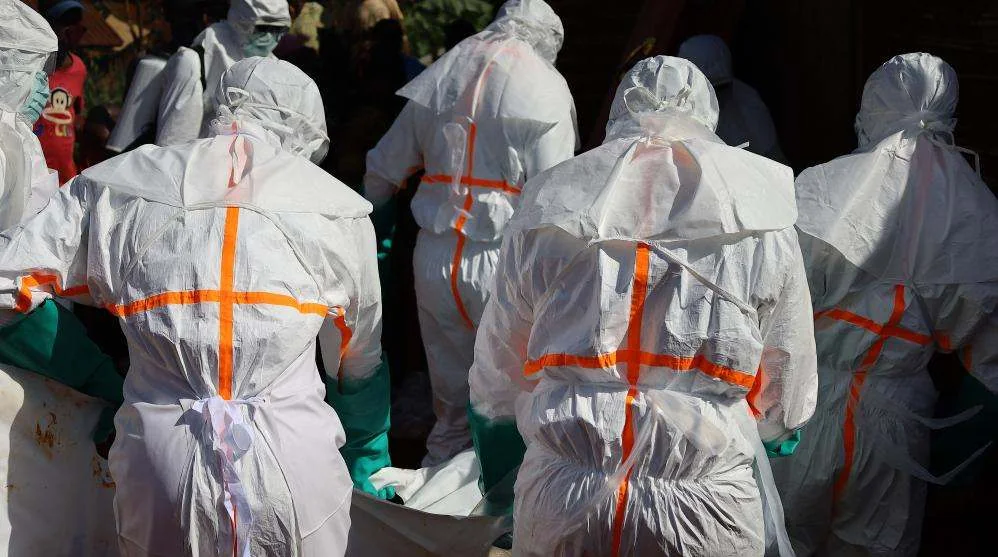
Confirmed Ebola infections in the Democratic Republic of Congo have risen above 4,000 in the current outbreak, with 4,053 cases and 1,850 deaths reported so far.
The outbreak, which has spread across five provinces, has been described as the fastest-spreading Ebola epidemic on record.
According to the country’s public health institute, the infections have been reported in Ituri, North Kivu, South Kivu, Haut-Uele and Tshopo.
Experts believe the virus had already been spreading for months before the outbreak was officially declared on May 15, raising concerns that the actual number of cases could be much higher than the official figures.
A report published in the journal Science last month found that the outbreak may have started in January, or even earlier, in Ituri. Researchers identified more than 500 suspected cases between mid-January and May 15.
The spread of the disease has been linked to delayed detection, overwhelmed surveillance systems, military conflict and a lack of vaccines and treatments for the species of the virus involved.
The current outbreak is the second-largest Ebola outbreak recorded so far, after the 2014-16 outbreak in West Africa, which recorded more than 28,000 cases across Guinea, Liberia and Sierra Leone.
Children and women continue to be among those most affected in Ituri, the hardest-hit province, according to the UN Office for the Coordination of Humanitarian Affairs (OCHA).
The health crisis is taking place in a province where nearly one million people have been displaced by conflict, with women and children making up around 80 per cent of those displaced.
“More than 300 children have died from Ebola since the outbreak emerged in mid-May,” the UN Children’s Fund (UNICEF) said.
“Children account for nearly a quarter of confirmed cases but almost a third of all deaths.”
The outbreak has also disrupted access to essential health services, with the UN reporting a sharp drop in use of healthcare facilities in the most affected areas.
“In the hardest-hit areas, use of health services has dropped by more than 40 per cent in recent months, as fear of infection keeps people away,” UN Deputy Spokesperson Farhan Haq told journalists in New York.
The fear of infection, combined with overstretched health services, has also made it harder for pregnant women to seek medical care.
The UN sexual and reproductive health agency, UNFPA, said maternal deaths in Ituri have nearly doubled since the outbreak began.
About six women die each week from complications linked to childbirth, while Ebola infection during pregnancy remains associated with almost universal fetal loss.
Humanitarian agencies have said restoring confidence in communities is key to the response.
About 13,000 community workers have been deployed by the Congolese health ministry and partners, including Africa CDC, UNICEF and WHO. They have reached more than 2.4 million people with information on Ebola prevention and early detection and conducted over 500,000 household visits to counter misinformation and encourage early care.
Meanwhile, a WHO expert panel has recommended that Ervebo, the only licensed vaccine against Ebola Zaire, be tested in a randomised clinical trial for Bundibugyo virus disease.
The recommendation follows preliminary animal studies showing the vaccine may offer some cross-protection, particularly against death. The advisory group reviewed new data on July 31 and found no safety concerns where contacts of confirmed cases are vaccinated.
However, the experts said more evidence is needed to prove the vaccine’s effectiveness against Bundibugyo virus. They recommended Ervebo for a clinical trial because no specific vaccine exists, while stressing that a vaccine developed specifically for Bundibugyo virus remains the preferred option.
Credit: Source link