

DR Congo’s cobalt quotas force miners to stockpile, pivot, or pause
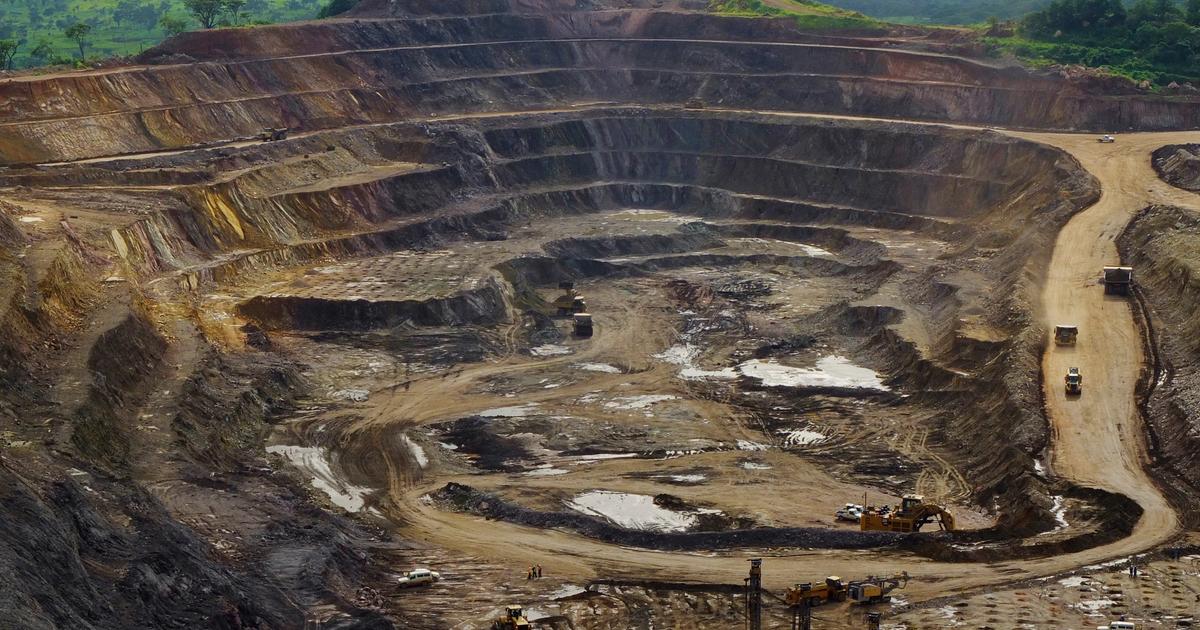
The days of cheap, easy-access minerals are over. Or at least that is the message DR Congo hoped to send when it introduced its export quotas. And it worked out exactly as intended, as seen in the country’s big-three cobalt producers production reports, which wrapped up with Glencore’s first quarter output report last week, and in the cobalt market.
The pay off for the Congolese people is real. For a start, S&P Global’s modeling shows that the quotas could push the market into a near-term deficit, lifting prices and the DRC’s export value by roughly 24% in 2027 versus 2024.
Secondly, few can dispute the industrial logic of the system. ARECOMS, DR Congo’s mining regulator, and the government say the strategic quota carve-out is intended to reward refineries and projects that create domestic processing jobs and skills.
For the first time in centuries, DR Congo is not a spectator in the pricing of its own wealth. Through the strategic reserve, administered by ARECOMS, Kinshasa is positioning itself as a swing producer — much like OPEC in the oil markets.
For companies, the winners of this regime are deep-pocketed miners with export entitlements or the ability to carry stockpiles. For example, CMOC can keep its mines running at full speed, betting that it can simply stockpile the metal it isn’t allowed to ship yet. Glencore, on the other hand, can choose when to process and sell.
This dynamic creates a survival-of-the-fittest scenario where smaller companies — who can’t afford to sit on piles of unsold metals — might be forced into the arms of larger competitors.
The role of the regulator, ARECOMS, has the potential to further complicate the situation for smaller operators. The agency has reserved the right to buy back cobalt stocks that exceed authorized quotas to build up its national reserve. It is unclear whether Kinshasa will pay market rates or cover production costs, meaning miners face a layer of price uncertainty that could spark a wave of deals.
Ultimately, it all adds up to a system designed to benefit Congolese people with higher prices, jobs, and by creating sovereign mineral levers it can pull whenever global markets get too comfortable.
Credit: Source link