

DR Congo struggles to contain worst ever Ebola outbreak
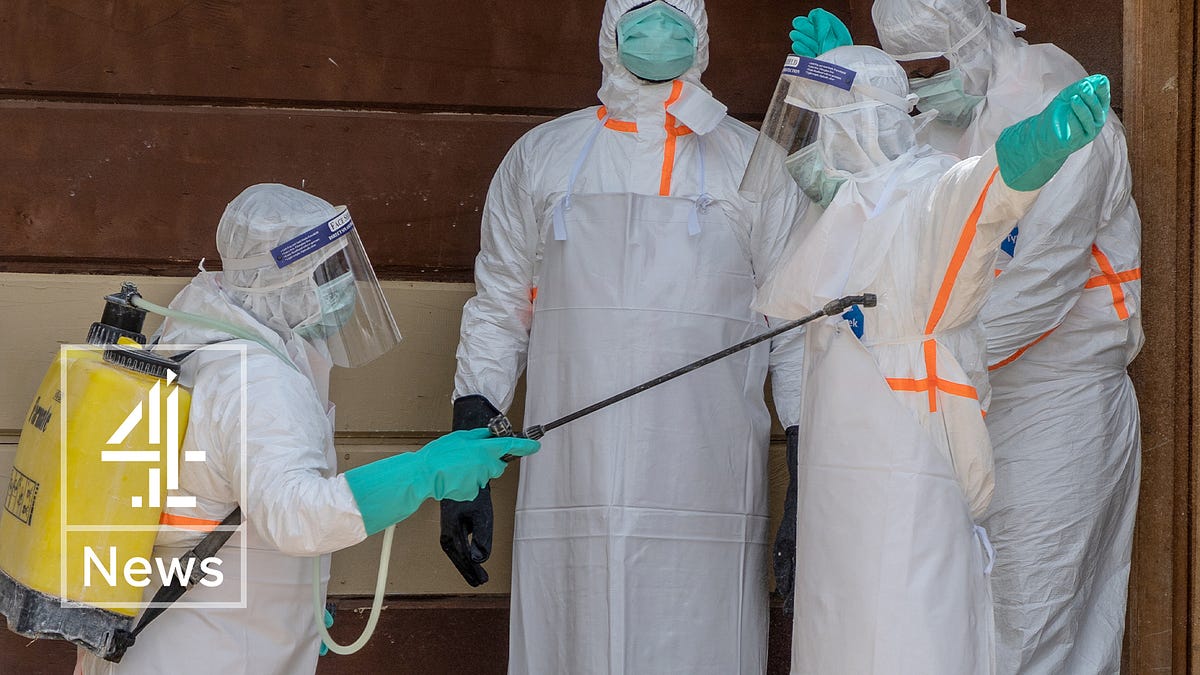
Bunia is the capital of Ituri province and the epicentre of the Bundibugyo Ebola outbreak in the Democratic Republic of Congo.
It has 90% of the confirmed cases.
When I first covered this story several months ago there was little support and the virus spread undetected. Now there is more support on the ground. But it’s still the worst outbreak of Ebola the country has ever had – and they’ve had 17.
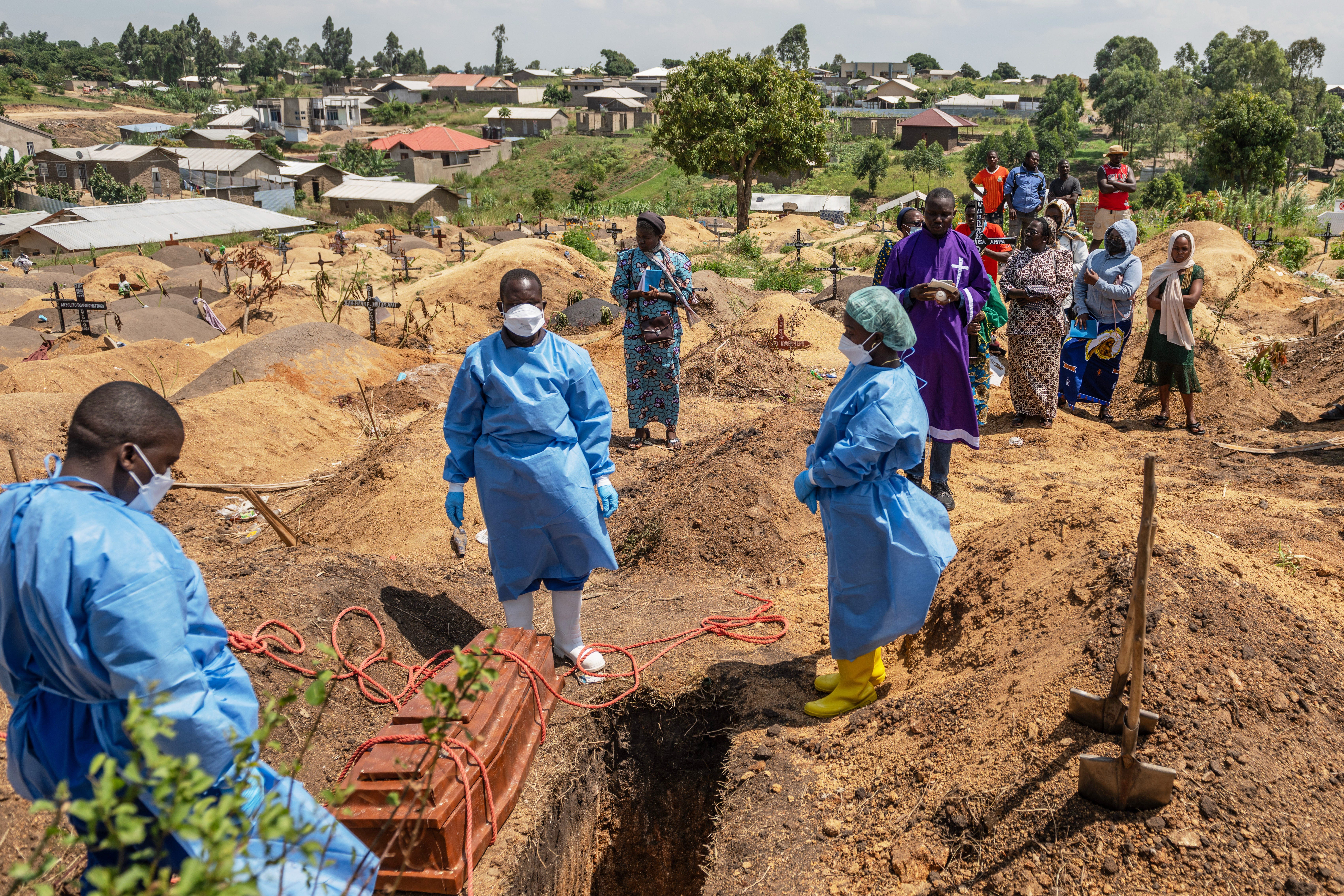
Containment is nowhere near to being a reality and the rate of deaths stands at over 40%.
Salome Ntubaba is the head of Global Humanitarian Response at Christian Aid, and in Goma, which has been badly hit by Ebola. I asked her what the response had been to the disease.
She told me, “So many young people don’t accept Ebola and they don’t even flag it to be declared in their community. Their first reaction is to burn the health facilities. So you can see how damaging it is for all communities.”
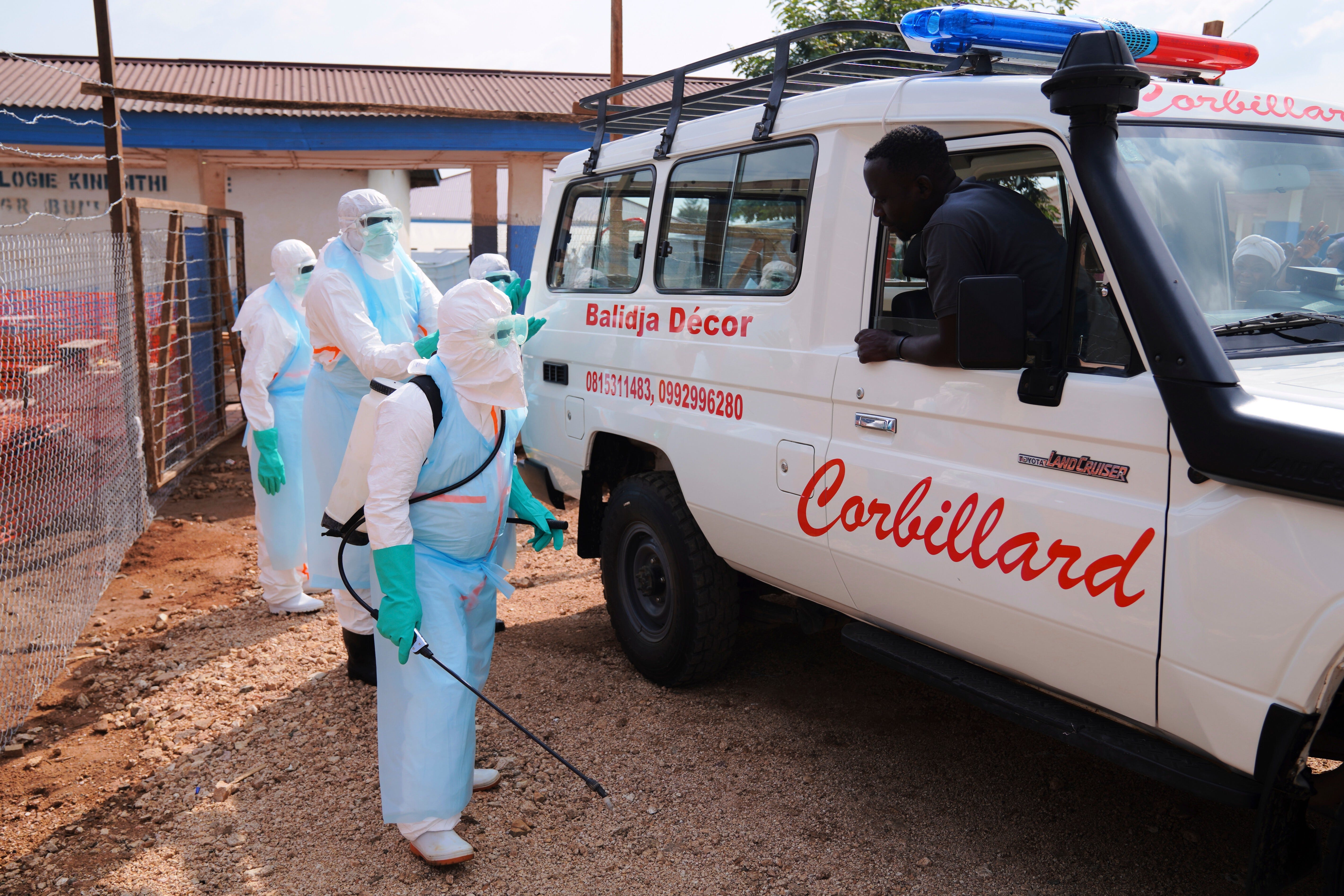
I went on to ask why there’s such suspicion of health authorities?
She explained, “Before Ebola, the health structure didn’t provide enough support for the population, so they had to fight to buy their own medicine. And then for Ebola when they say you need to come and get free treatment, you can have support, they don’t believe them.”
Despite a peace deal, armed conflict between government forces and the Rwanda backed M23 rebels has intensified, and people are constantly on the move seeking safety.
The World Health Organisation has been calling on other countries to assist.
China has stepped in, this is the third medical delegation they’ve sent in – an attempt to assert soft power at a time when public health leadership has shifted.
The dismantling of USAID by US President Donald Trump has drawn widespread condemnation, and experts have warned this has had a direct impact on the Ebola crisis.
In Uganda though, there’s a glimmer of hope. They’ve not recorded a new case for a month.
And scientists working on an Ebola vaccine here in the UK have started a trial. These are promising developments, but not yet being felt where they’re needed the most – in the DRC.
Credit: Source link