
DR Congo show they belong on the World Cup’s biggest stage
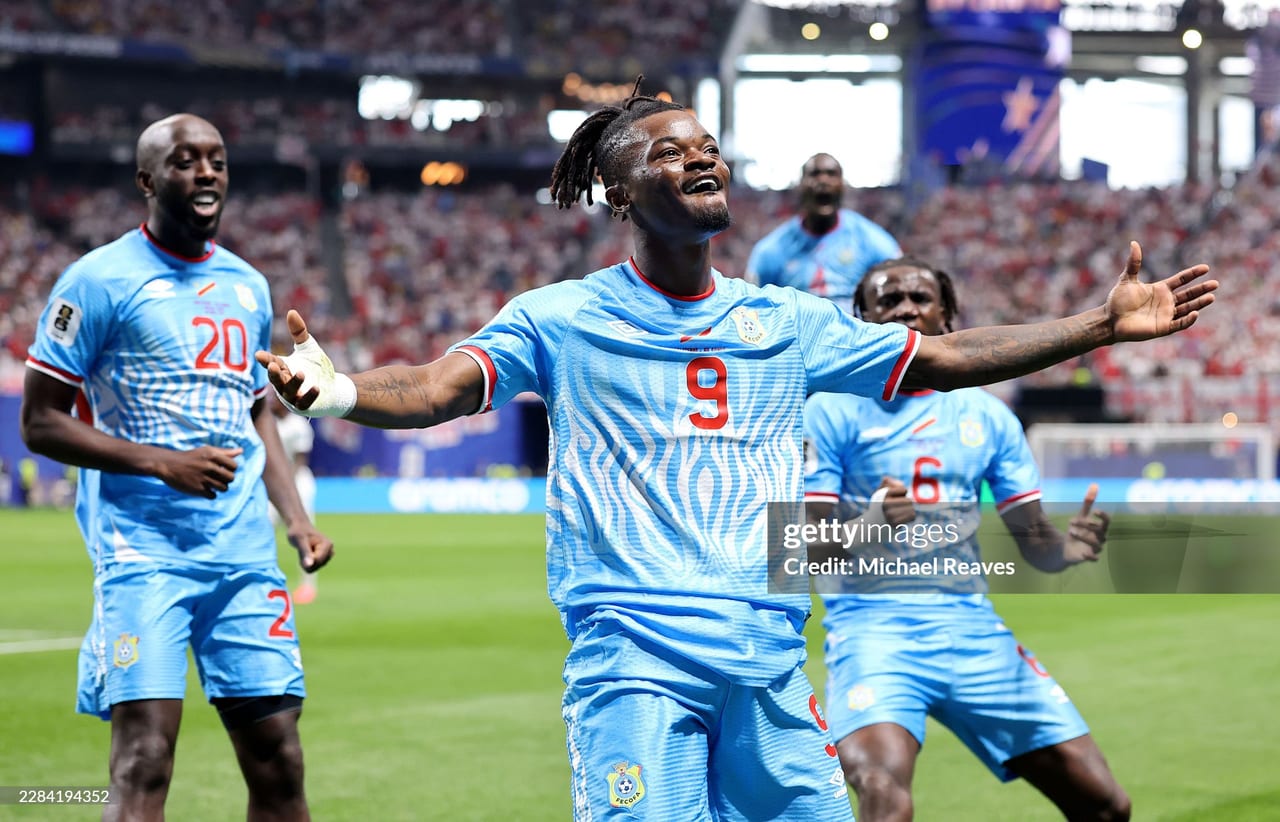
Securing a place at the FIFA World Cup for the first time in 52 years when they were known as Zaire, the Leopards were one of the several smaller nations to benefit from the expanded 48-team tournament.
Nonetheless, they justified their place in North America with their impressive qualifying campaign where having finished second to Senegal, Sébastien Desabre’s side navigated testing games against Cameroon and Nigeria in the play-offs.
A group of Portugal, Colombia and Uzbekistan posed challenges as well as opportunities, with a win against the latter and a surprise draw against the aforementioned two nations being enough to reach the knockout stages.
In a side which possesses Premier League quality, it’s no surprise that DR Congo were able to compete but their assured displays suggested this is only the beginning of their rise on the international stage.
Navigating a tricky start
A curtain-raiser with Portugal in Houston provided an intimidating backdrop against a side brimming with quality in every department.
A troubled afternoon looked to be in store as Joao Neves broke the deadlock with a header inside six minutes with Roberto Martinez’s side firmly on top yet from then on, were limited to few chances by a resolute Leopards rearguard.
This proved to be the driving force behind DR Congo’s World Cup success with Burnley’s Axel Tuanzebe at the heart of their defence, with Aaron Wan-Bissaka and Arthur Masuaku on the opposite flanks.
However, their attacking focal point was the one who predominantly grabbed the headlines. Yoanne Wissa had a season plagued by injury following his switch last summer to Newcastle United with the 29-year-old only registering one Premier League goal.
He was looking to leave those worries behind him though and he grabbed the leveller just before the break with a cushioned header to record the Leopards first goal at a World Cup.
Portugal threw bodies forward in search of regaining their one-goal cushion but simply couldn’t find a way through DR Congo’s rigid 5-4-1 set-up which massively restricted the freedom of their key attacking outlets.
Securing a point against a nation expected to progress to the latter stages of the tournament was a seismic achievement having never picked up a result on the biggest stage, yet the best was still yet to come.
Their promising start was halted though in a clash with Colombia, touted as one of the tournament’s dark horses.
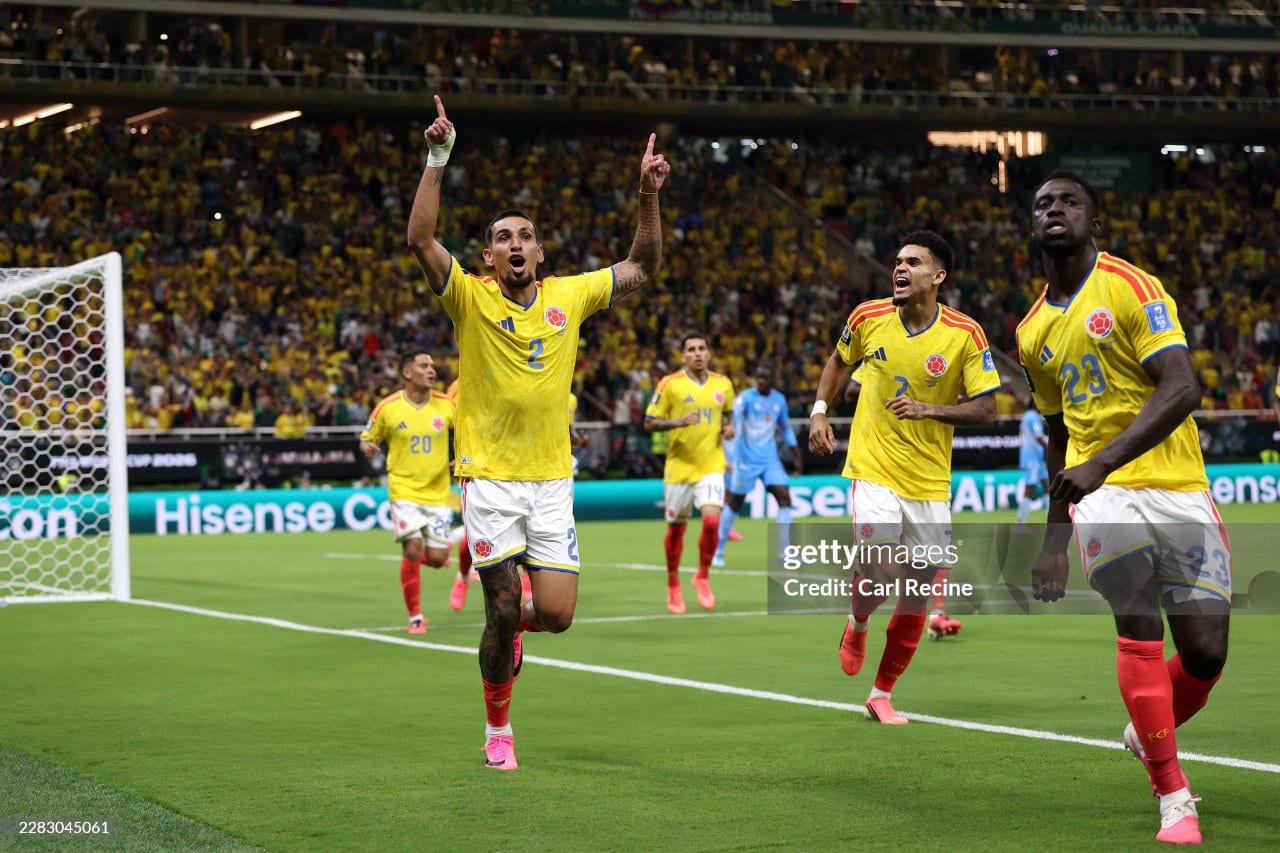
Very much akin to their draw against Portugal, they were able to rely on defensive stability for the most part but Daniel Munoz‘s deflected strike with 76 minutes on the clock broke DR Congo hearts in a game where they were second best.
Monumental performances spark belief
Nevertheless, Desabre would have earmarked their final group stage meeting with Uzbekistan as the perfect opportunity to seal a historic progression to the round of 32.
With a distinct lack of experience and quality, Fabio Cannavaro’s side had comfortably lost their opening two encounters but it was still all to play for as a convincing win may have helped them reach the knockout stages for the first time as well.
They capitalised on their early pressure as ex-Roma forward Eldor Shomurodov executed a beautiful chip over Mpasi to open the scoring inside ten minutes. For the first time in the tournament, DR Congo could play with greater attacking freedom against an Uzbekistan side less clinical than their previous opponents.
They utilised this to their advantage as they probed for an equaliser but it took until the 68th minute to make it honours even as Wissa continued his impressive start to the tournament from the spot.

That gave the Leopards the belief to push forward and they took the initiative when Fiston Mayele poked home from close range before Wissa completed a memorable performance with the third in additional time.
Sealing their spot as one of the best third-place nations, DR Congo defied the odds to reach the knockout stages but they had momentum on their side ahead of a meeting with one of the favourites, England.
The Leopards remained huge underdogs but there was a lot of noise surrounding the Three Lions camp following an underwhelming group campaign, yet they were expected to ease past the two-time AFCON champions.
A lightning quick DR Congo start coupled with England’s sluggishness saw the former shock the footballing world as they took the lead on five minutes, Brian Cipenga dispatching past Jordan Pickford with composure and confidence.
This gave them the platform to grow into the game, allowing them to settle into a compact low defensive block and threaten on the counter-attack particularly through Cipenga’s pace.
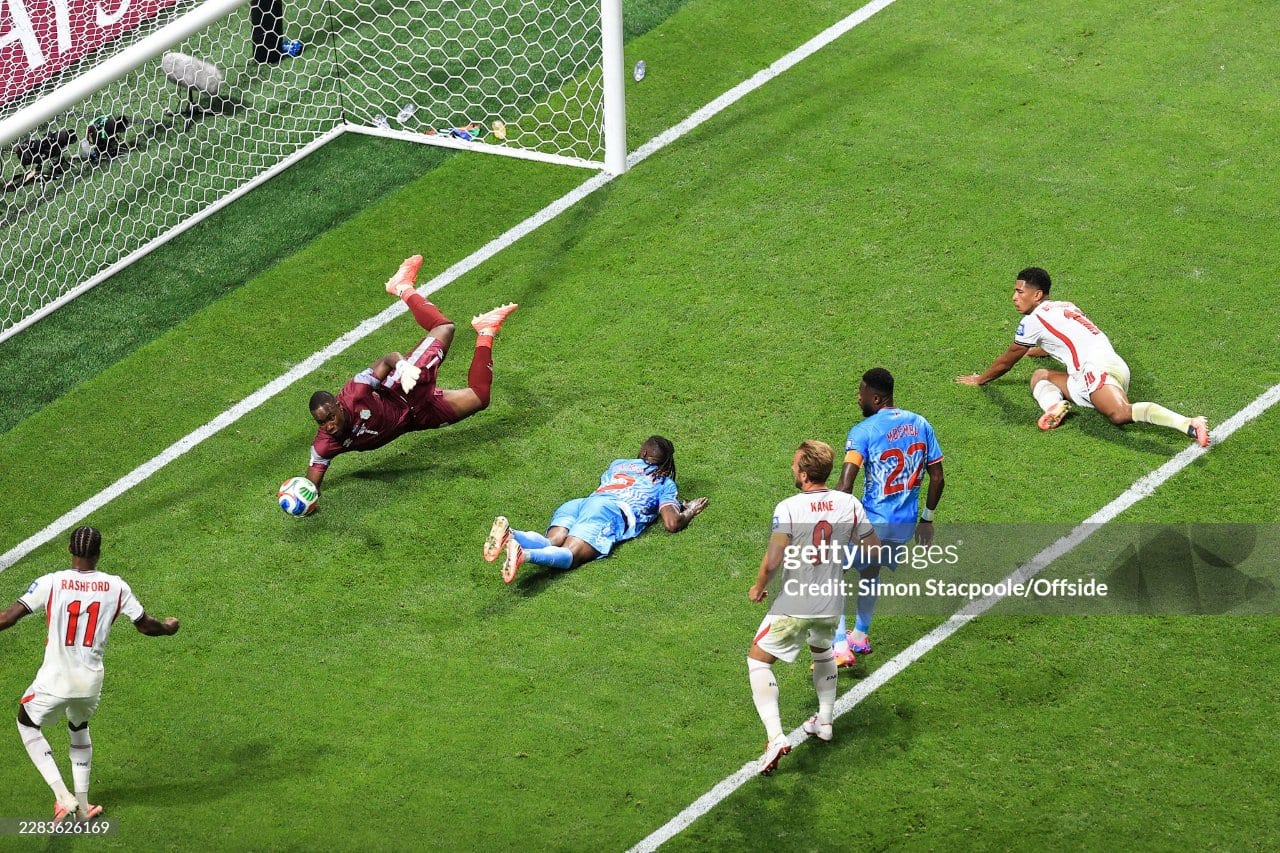
Mpasi was proving to be the hero with several outstanding stops in the opening period to deny the likes of Jude Bellingham and Marcus Rashford as England became another victim of struggling to deconstruct DR Congo’s compact defensive shape.
They continued to have chances of their own and really should have put more daylight between England when Wissa had the easiest of finishes to slot home from point-blank range, but the in-form striker surprisingly fired wide of the mark from Wan-Bissaka.
England continued to pile on the pressure in the closing stages and it was going to take something special to beat Mpasi. An 11-minute Harry Kane brace with two thunderous strikes proved to be the difference to break DR Congo hearts, a valiant performance being snatched away from them in what looked set to be one of the tournament’s greatest shocks.
Pride in abundance
Being on the brink of such a legacy-defining result will still hurt the Leopards more than one week on, but perspective is essential.
From securing their first-ever point and victory against Portugal and Uzbekistan respectively to taking England all the way and being on top for sustained periods, the Leopards showed in abundance this summer their credentials on the biggest stage.
As is often the case when an unexpected nation enjoys a successful tournament, several DR Congo players have used the World Cup as a shop window to showcase their talent, none more so than Mpasi in between the sticks.
The squad will also be of a good age for their next AFCON and potential World Cup campaign in four years time with the key pillars of their team including Wissa and Tuanzebe now having the experience and knowing what it takes to succeed at the level.
While Cape Verde‘s remarkable run has understandably grabbed the attention, DR Congo’s achievements have perhaps flown under the radar yet their success in North America can serve as the foundation for future success.
Credit: Source link