

DR Congo communities propose forest conservation models
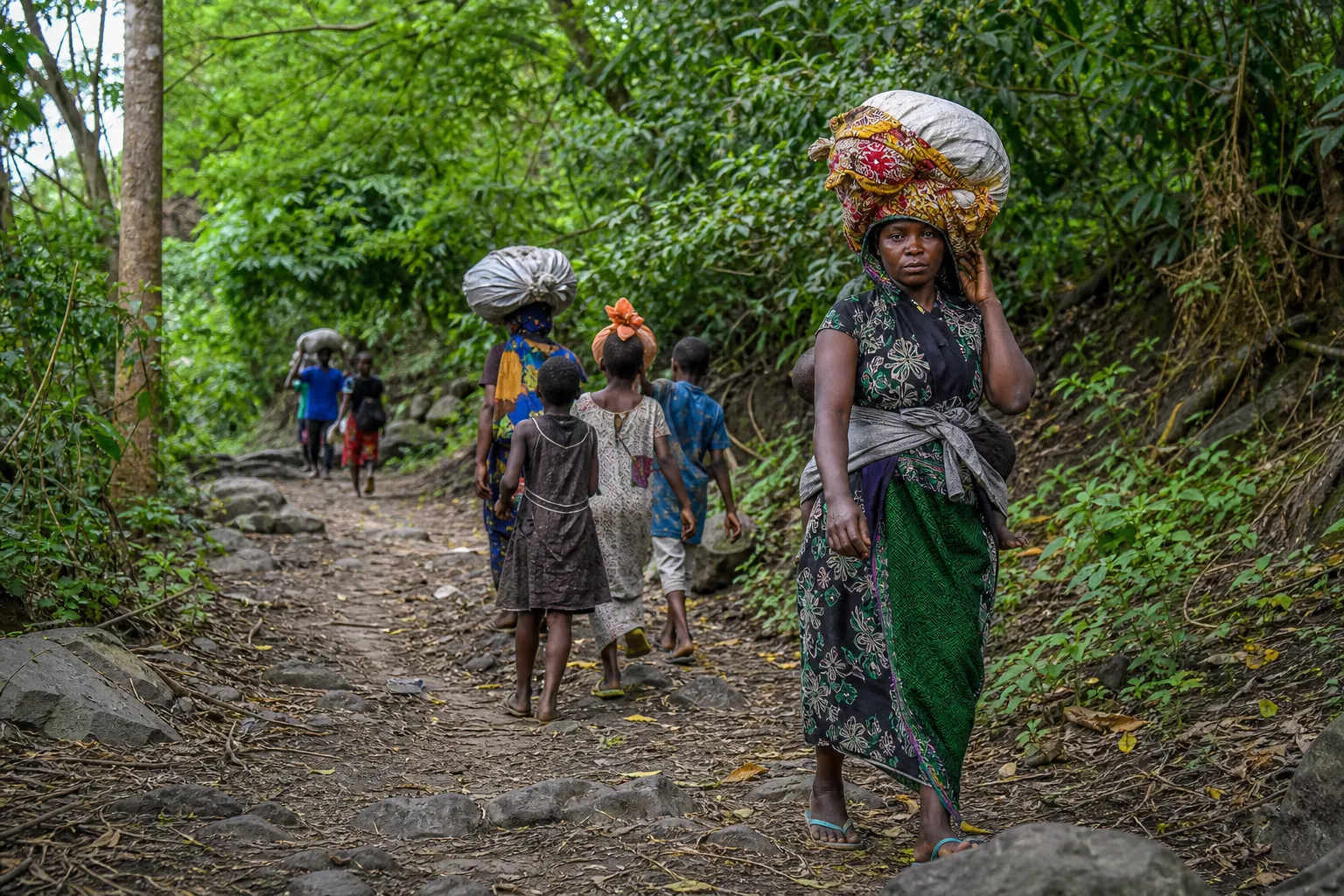
Indigenous peoples and local communities near the Maiko, Salonga, Kahuzi-Biega and Virunga national parks in the Democratic Republic of Congo are proposing different approaches to combining forest conservation, land rights and poverty reduction. As Mongabay reports, some Indigenous representatives want to return to ancestral lands from which their families were evicted during the creation of national parks in the 20th century.
The publication’s journalists collected testimonies from 14 Indigenous representatives and seven members of local communities. For some representatives of the Twa and Tembo peoples, access to ancestral lands is linked to dignity, traditions, food and natural resources.
Return to ancestral lands
Most Indigenous representatives interviewed by Mongabay said they would like to return within park boundaries. In 2022, the African Commission on Human and Peoples’ Rights issued 19 recommendations to the DRC after the country’s government acknowledged human rights violations. The recommendations include the return of Indigenous peoples to the Kahuzi-Biega park area with recognition of their land rights.
At the same time, some residents of areas near Maiko, Virunga and Kahuzi-Biega believe that conservation activities should continue to be led by state authorities. They cite a lack of knowledge about modern conservation methods, as well as armed conflicts and an unstable security situation. Other sources interviewed by the publication are convinced that they can protect the forest through traditional practices passed down through generations.
More current news is available on the UA.News Telegram channel Telegram.
Residents of territories around Virunga also link attempts to return to the forest with food insecurity. One resident of Mutaho said that fields were burned after the 2021 eruption of the Nyiragongo volcano. According to him, people began cultivating land in the park, but were evicted again in 2025.
Work and forest concessions
Some community representatives are adapting to life outside the parks, but demand improved living conditions, access to resources, employment and economic opportunities. Mongabay’s sources noted that a lack of jobs and land may prompt people to return to the forest or seek income in unsustainable activities, including illegal logging.
Representatives of the Salonga administration said that Indigenous peoples and local communities are involved in preparing the park management plan. According to co-director Terence Fuh, more than 80% of the park’s over 300 employees come from areas within 20 kilometers of it. At the same time, human rights advocate Gentil Akilimali warned that employing individual community members as rangers could increase internal tensions.
Practical models mentioned include local community forest concessions, which can legally secure communities’ land rights and involve them in forest conservation. Between Kahuzi-Biega and the Itombwe Nature Reserve, the organization Strong Roots Congo is developing a biodiversity corridor covering 1 million hectares and consisting of several such concessions. In Virunga, an alliance involving authorities, civil society and business combines conservation with the development of tourism, clean energy and sustainable agriculture.
Download our app

Credit: Source link