

Disability and Poverty in Gabon
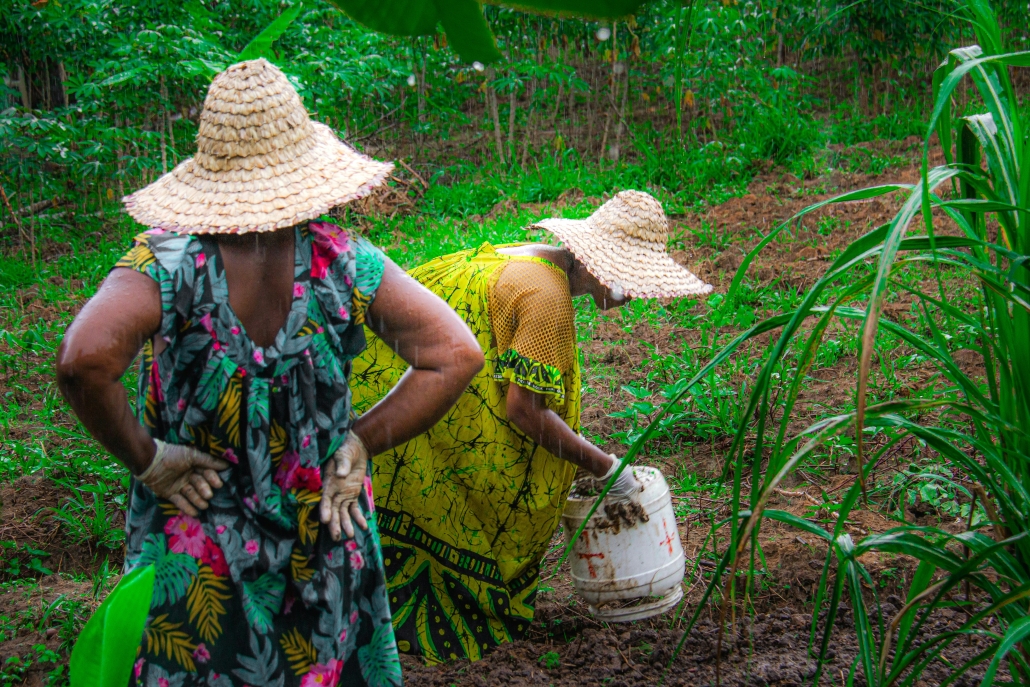
Disability and poverty in Gabon are a little more complicated than in most African countries. Gabon is an oil-rich country, yet the poverty rate is higher, especially in rural areas, where it is 59.5%. The bigger cities, like Libreville and Port Gentil, account for 48% of the national population, but 28% of their residents are poor. In particular, poverty affects people with disabilities. The majority of this population lives in the urban areas where the poverty rate is already quite high, and they are dependent on family support. Poor people are more vulnerable to food stress, and they can experience diseases due to malnutrition.
The Situation
Disability and poverty are almost inseparable. Because one feeds the other; people with disabilities have a lower chance of getting an education and a chance of work, which will lead to poverty in general. Also, people with disabilities often have higher costs due to their health-related needs.
Youth employment is also an issue in Gabon. This country is oil-rich and therefore needs skilled workers in construction, wood processing, renewable energy and communication technologies. However, these educations were limited until quite recently. Since the Gabonese government launched PROCEDE in 2016, their aim is to lower the gap in education in those skill training and job opportunities.
Political Conditions of the Country
The coup leader, Brice Oligui Nguema, won the 2025 election and ended a more than 50-year political dynasty without bloodshed. He secured more than 90% of the vote, an outcome many did not expect. His support stems from promises to advance development and combat corruption.
Poverty grew more quickly in the past years due to countries’ corrupt leaders, where the 2% of these people were the decision makers for the almost 80% people’s wages and rights. They diverted the funds for specific organizations, and the country had to borrow money to pay some of its debt.
Agriculture and Fishing
Basic agriculture and farming contributed only a little to the country’s food production. Still, sugar refining at Franceville and palm-oil processing at Lambarene have a huge impact on the country’s development. Gabon is also one of the world’s leading producers of timber and manganese.
The country recently launched a ranger’s battle for baby sea turtle survival against the odds, aiming to reach as many people and organizations as possible, despite financial cuts.
A 40-year-old Alain Banguiya continues to complete his duties even though he has not been paid for two months, but still says, “We have a duty to fight to the end, to keep our spirits up.” This shows the determination of the country’s citizens in many areas that need assistance.
Finance and Economics
The United States, Belgium and China are among Gabon’s main trading partners, providing substantial investment. The majority of imports are from South Korea, France and China, while exports are largely directed to China, France and the Netherlands.
Transportation remains a major challenge. The country has long lacked efficient transportation infrastructure and, for a long time, relied on light aircraft for air travel, but those were insufficient for exporting heavier materials like timber, which is a major issue in the country.
Gabon is also a major oil producer. BW Energy Gabon received a 25-year extension for the Dussafu Marin production license, extending it from 2028 to 2053. This long-term provides reserving investments, production and a higher chance of stability in oil production planning.
Gabon also launched the Emergency Community Development Programme (PUDC), and its aim is to reduce social inequalities by creating more economic opportunities, strengthening the governance and improving access to basic services.
The government is also working to expand its Fintech hub, enabling businesses to accept multiple payment methods and expanding broader financial access. This could open new entrepreneurial opportunities and expand services to rural areas, though progress depends on government incentives and digital infrastructure.
Education, Disability and Poverty in Gabon
Disability and poverty in Gabon affect younger people in education, too. In the urban areas, there is a lack of educational infrastructure and educators. Also, due to a lower level of focus on these areas, sexual harassment of children is higher.
The education system is similar to France’s and is officially mandatory for kids ages 6 to 16. Gabon, with the support of its government and UNICEF, collected data on people living with disabilities through the Census Campaign. This data shows that 15,967 people live with disabilities across nine regions, with 27.21% aged 0 to 18.
Disability rates are higher in rural areas, where access to education can be limited. Government efforts focus on improving access, supporting young mothers in education and ensuring that all children receive schooling.
In particular, the disability rate is higher in women, where in many rural areas, males are prioritized for making a living and their education comes as a priority. However, the help and support of the government and its legislation about making education mandatory are addressing those problems.
Positive Notes
Many know Gabon for its natural beauty, which its agricultural and trade deals complement. The country has significant potential for eco-tourism and several websites help decide which part to visit and provide entry information for the country. Gabon is one of the African countries with steadily growing potential, supported by education for everyone, especially for kids with disabilities.
– Sibel Yasharoglu
Sibel is based in Leicester, UK and focuses on Business and Good News for The Borgen Project.
Photo: Unsplash
Credit: Source link