

Dignity’s role in ending wartime rape
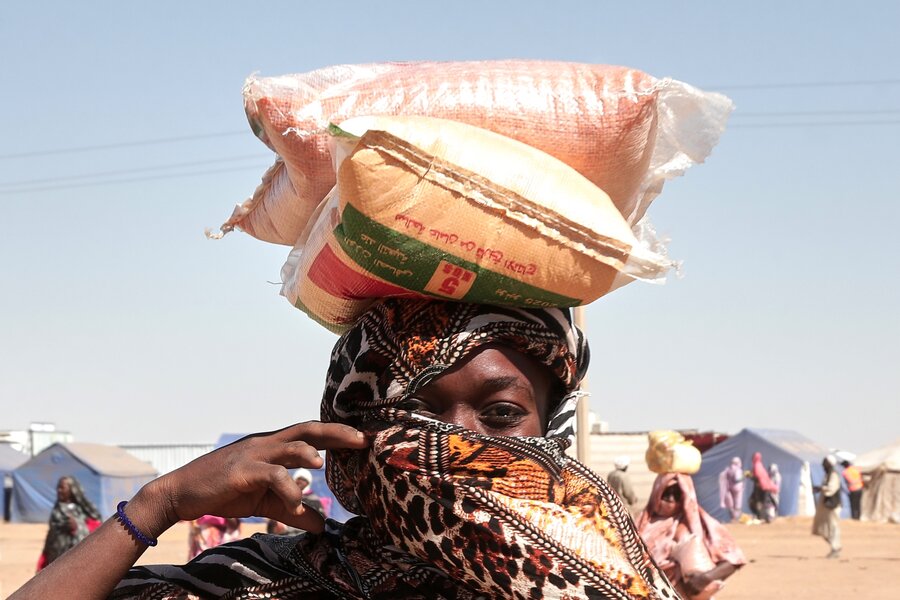
In 21 conflicts around the world, sexual violence as a tactic of war “surged” last year, according to a new United Nations report. Yet in only one conflict – the civil war in Sudan – such atrocities are “a defining feature,” used in fear campaigns between rival ethnic groups, as explicitly stated by perpetrators.
In Africa’s third-largest country by area, preventing conflict-related sexual violence or helping survivors has been difficult. The civil war between the Sudanese Armed Forces and the Rapid Support Forces, now in its fourth year, has yet to yield to international efforts to end it. Sudan has become the world’s most dire displacement crisis.
“Many women and girls fleeing the conflict only sought help after reaching neighbouring countries,” the report stated, “which underscores the importance of assistance in all phases of displacement.”
Some progress has been made – other than highlighting the issue or documenting specific cases of such violence. Last year, for example, the government in Khartoum renewed its commitment to prevent sexual violence, assist survivors, and hold perpetrators accountable. The International Criminal Court is investigating gang rapes and other crimes. Aid workers are better at identifying places with the most-pressing needs, helping to reduce immediate harm, strengthen resilience, and empower survivors.
Some foreign support is reaching local women’s groups to provide “safe spaces” for protection and response services. The aid often provides secure bathing facilities, lighting in settlement camps, and dignity kits that come with basic tools for hygiene and protection.
In fact, the U.N. report recommends that global solutions to conflict-related sexual violence focus on the “dignity of victims and survivors,” sending a message that survivors are worthy of justice rather than a message of social stigma.
“Sudanese women are leading humanitarian efforts in the country,” one U.N. office stated in April. “They are providing lifesaving assistance to women, children, and families in conflict-affected areas – delivering food, medical care, psychosocial support, and protection services, often in areas inaccessible to international actors.”
The message of dignity for survivors might be starting to counter a tendency for them to feel shame. Social media campaigns by the Sudan Family Planning Association have led to a surprising result: Survivors have directly responded to the campaigns to seek resources for support.
Such successes help beat back the false notion that wartime rape is inevitable.
Credit: Source link