
Descendants of people pushed out for DRC national park lead forest conservation efforts
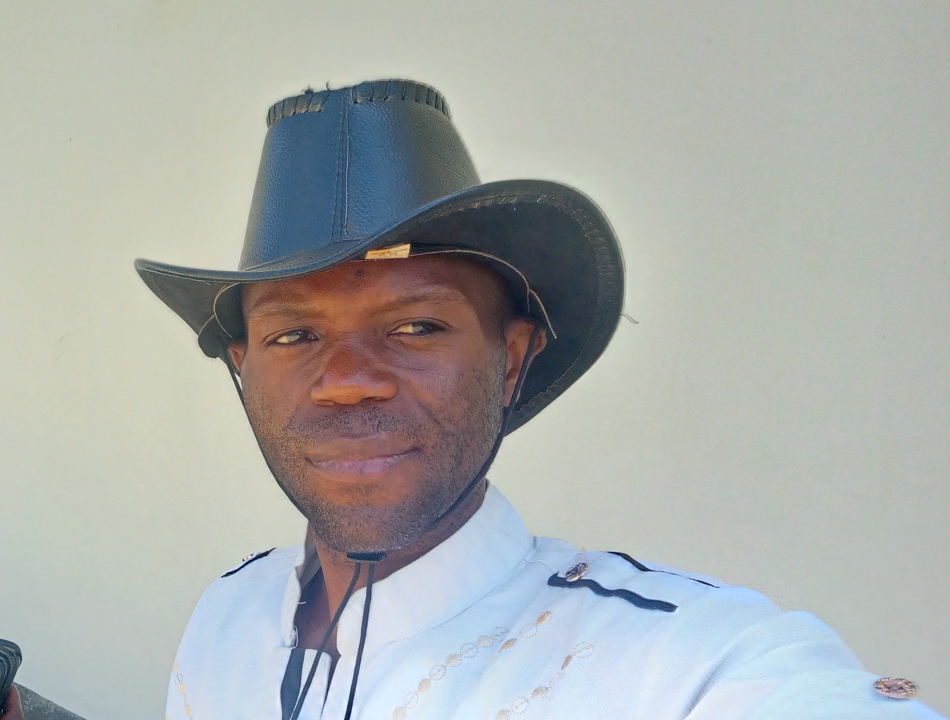
- Gangala Yafali Mangusa Jr. is a descendant of one of the families that had to leave the forests of what is today in and around Maiko National Park in the Democratic Republic of Congo.
- Now, he heads the management committee of the Bamasobha Local Community Forest Concession (CFCL) and works with communities to protect biodiversity through local conservation efforts.
- According to experts, the sustainability of conservation efforts depends largely on the ability to balance biodiversity protection with improving the living conditions of Indigenous peoples and local communities.
- According to satellite imagery from Global Forest Watch, forest loss in the Bamasobha CFCL was reduced from 940 hectares in 2024 to 120 hectares in 2025.
BUTEMBO, Democratic Republic of Congo — In the lush forests of North Kivu, Gangala Yafali Mangusa Jr. leads a forest patrol with members of his community. Together, they monitor human activity, identify threats and prevent damage to biodiversity, such as large-scale logging, unregulated timber harvesting and artisanal mining.
“For example, once a month or once a quarter, we conduct inspections to check whether there are people in the community who are illegally hunting [protected] animals,” he explains.
In his 30s, Mangusa Jr. leads the local management committee in the Bamasobha Local Community Forest Concession (CFCL), located in Lubero, a region threatened by terrorist attacks in eastern Democratic Republic of Congo. Composed of Indigenous Batwa, Bapiri and local communities, Mangusa Jr.’s team works together to protect this community forest, promote sustainable management of natural resources and strengthen coexistence between communities and the ecosystems on which they depend.
According to him, this commitment is rooted in a personal history marked by tensions and, at times, violence experienced around the Maiko National Park — a sprawling park protecting endemic species such as eastern lowland gorillas, okapi, chimpanzees and forest elephants — after the 1970s.
He recounts that, when the park was established, his family, like so many others, faced park rangers for several years who had been sent to enforce the new park boundaries, particularly in the Batike settlement, within the Bapère chiefdom, in Lubero Territory.
“At one point, park rangers from the Congolese Institute for Nature Conservation [ICCN] came and set up camp, and they began patrolling, forbidding people from entering the forest and eating meat, even though these Indigenous communities had been living off meat [and fruit] for generations,” says Mangusa Jr. “That’s what led to long-standing disagreements, forcing communities to move elsewhere, such as to Mangurejipa and other areas.”
He adds that as he grew up, he witnessed new land disputes that caused conflicts within communities, as well as the depletion of forest resources due to his community’s population growth and unsustainable extraction.
Mangusa Jr. and members of his community were gradually approached by facilitators from the Peasants’ Association for the Rehabilitation and Protection of Pygmies (PREPPYG) and became involved in the country’s community forestry process. In 2018, they decided to grant a portion of the forest — approximately 29,000 hectares (71,700 acres) — to a CFCL.

Over time, they eventually came to recognize the importance of collective management of natural resources and the need to balance the needs of local communities with environmental protection requirements, he explains. Five years later, in 2023, the communities of Bamasobha decided to develop a simple community management plan and establish an inclusive local management committee dedicated to this community concession.
This plan has two main objectives: protecting the forest and improving the living conditions of communities.
Balancing conservation and community survival
The CFCL is divided into zones to try to achieve this balancing between biodiversity conservation and the needs of communities: namely production, conservation, development, protection and regeneration zones. The production and development zones support agriculture, charcoal production, mining and fishing.
According to Claude Muhindo Sengenya, a community facilitator with PREPPYG, surveillance in the conservation and protection zones may have helped reduce large-scale logging within the community concession. He reports that this activity has likely contributed to the gradual increase in certain animal populations in these zones.

However, he notes that insecurity in the region, with the recent arrival of terrorists from the Allied Democratic Forces (ADF) in 2024, has led to the displacement of several communities. Furthermore, according to various sources, people from outside the communities sometimes enter the CFCL conservation zone to hunt animals.
The local authority tells Mongabay they generally agree with this assessment, but still commend the conservation efforts carried out within the various CFCLs in the region.
Macaire Sivikunulya, head of the Bapere sector, says he believes the reduction in unregulated logging is largely due to awareness-raising efforts among local communities.
“For example, in the case of the Bamasobha CFCL, with the recent construction of the road crossing this concession, we could have seen large-scale logging, since transportation has become easier. But that is not what we are seeing on the ground,” the he continues.
According to satellite imagery from Global Forest Watch, forest loss in the CFCL reduced from 940 hectares (2,320 acres) in 2024 to 120 hectares (296 acres) in 2025.
An alternative conservation model
According to Olivier Ndoole Bahemuke, an analyst and researcher on forest governance issues, CFCLs can serve as a model for supporting or empowering Indigenous communities deprived of forest resources following the creation of protected areas.
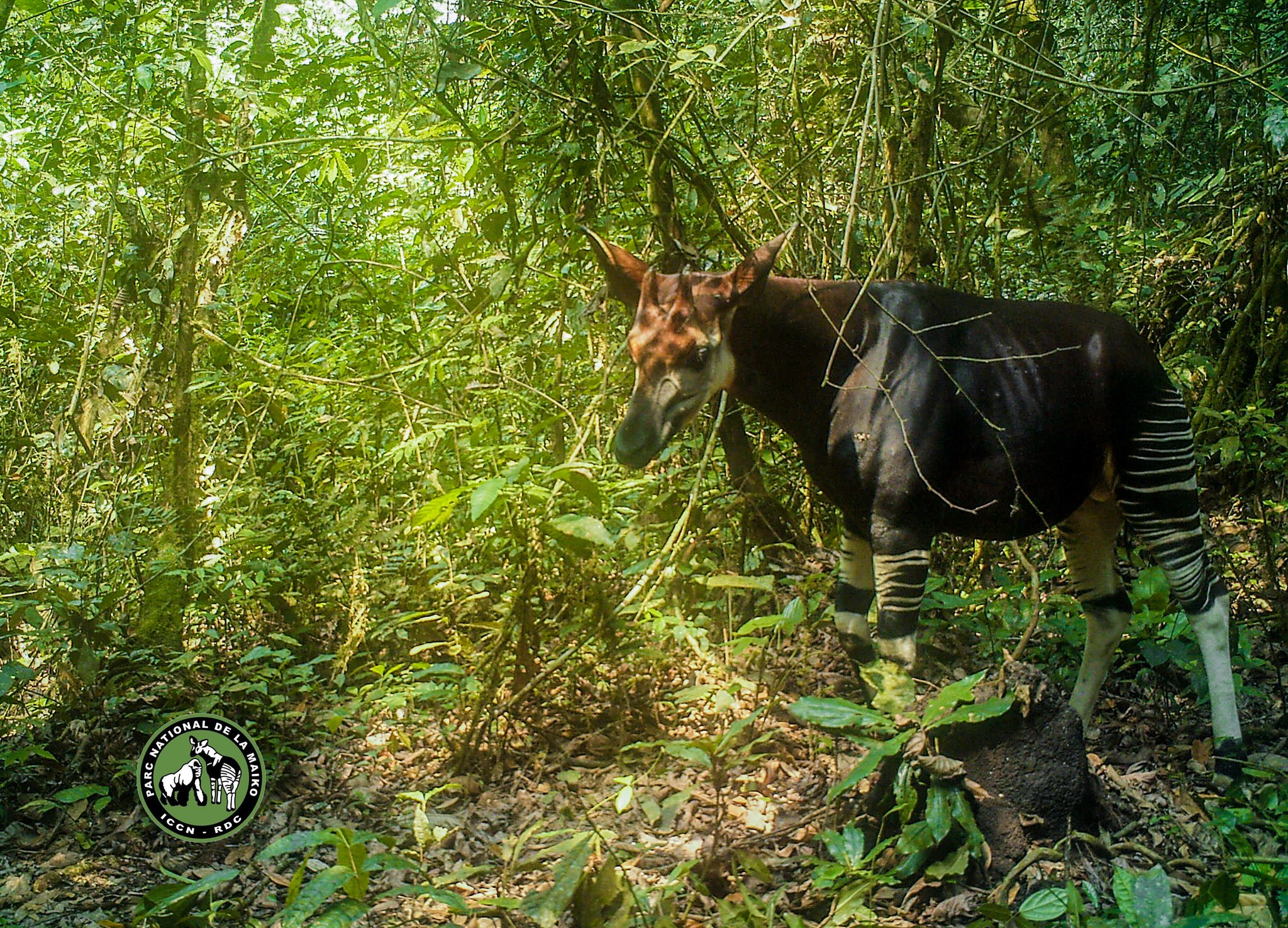
In his view, these areas, and the activities carried out within them, can help reduce pressure on biodiversity.
“The fact that Indigenous communities accept this conservation model means that, even though the parks have deprived them of certain privileges, they express a desire to reconnect with wildlife, and this is, in a way, an extension of the wildlife protection practices of their ancestors,” he explains.
Efforts to use CFCLs as a conservation measure are expanding in eastern DRC. Between Kahuzi-Biega National Park and Itombwe Nature Reserve, the NGO Strong Roots Congo is developing a 1-million-hectare (2.5-million-acre) biodiversity corridor with dozens of CFCLs. For several years, the NGO Wildlife Conservation Society (WCS) has supported the creation of CFCLs across the country.
Ndoole says protected area managers and their partners should invest more in initiatives capable of supporting the socioeconomic development of communities. In his view, these approaches are essential for sustainably reducing pressure on forests.
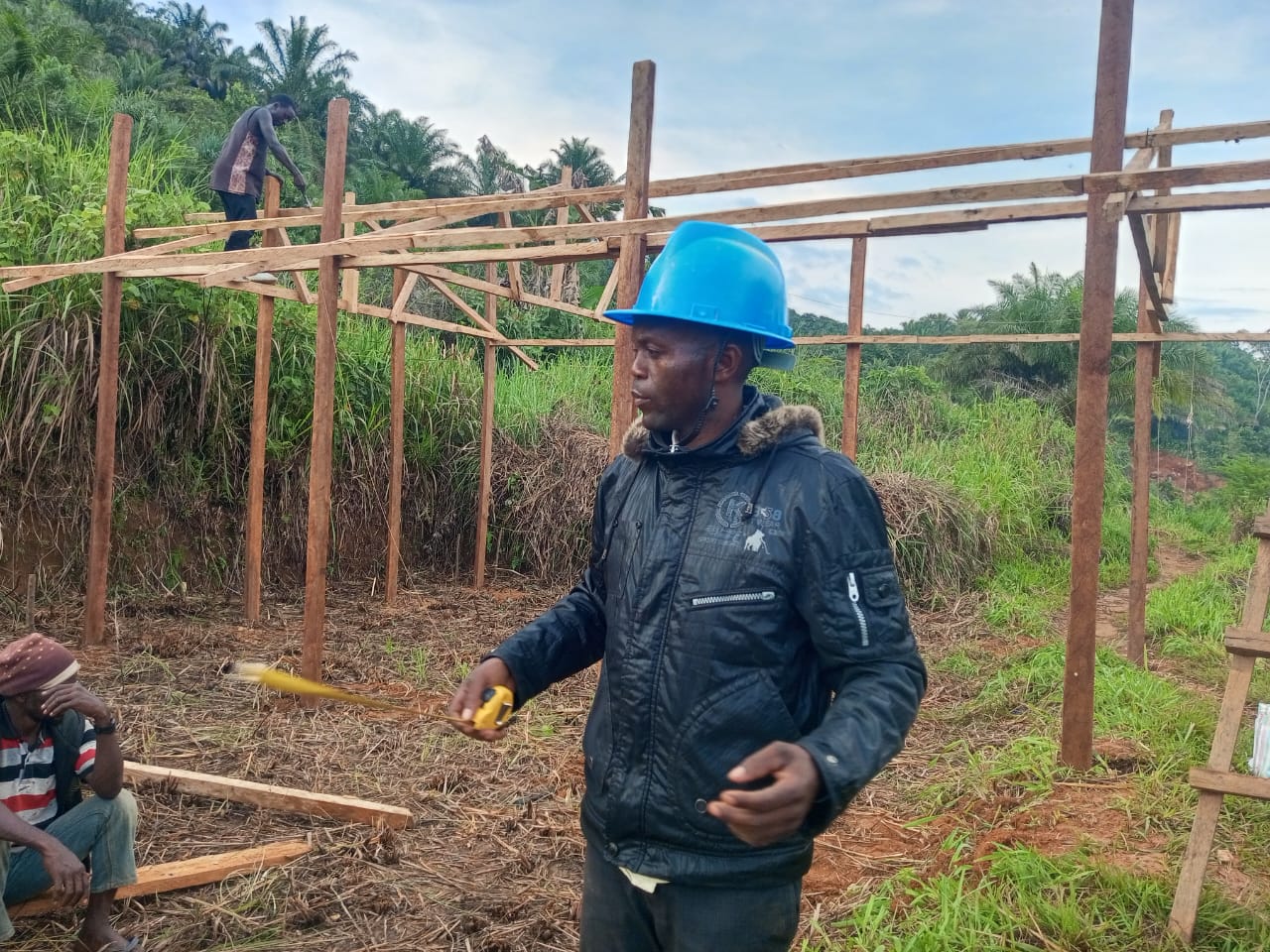
“We should consider how to develop agricultural production units, appropriate energy solutions or even carbon credit projects,” he says.
Relationship between park managers and communities
According to Matthieu Mirambo, director of Maiko National Park, ICCN authorities acknowledge that several communities were deprived of the right to use certain forests when this protected area was created, and that, to this day, demarcation (physically marking the boundaries on the ground while also defining buffer zones around the parks) has never been carried out. This is often the root of tensions between park managers and local communities, he tells Mongabay.
“We know that all the forests that were set aside to create parks traditionally belonged to clans or families, who held the rights to use them. But, as you know, the law at that time did not specify the procedure for establishing a protected area; nor did it specify exactly what steps were required to establish such an area,” he says.

“It is a 2014 law [on the conservation of nature and management of protected areas] that now clarifies the procedure to follow, stating, for example, that one must begin with consultations with the community and all stakeholders, and that the consent of the affected communities is required to establish a protected area.”
He goes on to note that, for a long time, the ICCN was unable to follow these steps and, above all, to carry out the participatory demarcation of boundaries due to a lack of financial resources.
According to the park director, due to a new co-management partnership signed in 2025 between the ICCN and the Faune & Flora organization, a process aimed at community inclusion and participation could be launched in the future, in order to find common ground for better management that takes into account the needs of local communities.
Back at the Bamasobha community forest concession, Mangusa Jr. says support for community initiatives and the creation of CFCLs represent progress. He encourages park managers to consider socioeconomic support for communities that ceded land during the park’s creation, in order to reduce social frustrations, strengthen peaceful coexistence and especially, promote sustainable conservation.
This article was originally published in French on May 25, 2026.
Banner image: Gangala Yafali Mangusa Jr. poses for a photo after a community meeting on social cohesion within the Local Community Forest Concession (CFCL). Image by Jéremie Kyaswekera Kakule.
Growing number of Indigenous Twa forced out of DRC’s forests and into towns
Latest Mongabay podcast episode: From pledges to road maps, nations organize around fossil fuel phaseout. Listen here:
FEEDBACK: Use this form to send a message to the author of this post. If you want to post a public comment, you can do that at the bottom of the page.


Credit: Source link