

De Beers Venetia Pause Hits South Africa’s Diamond Sector
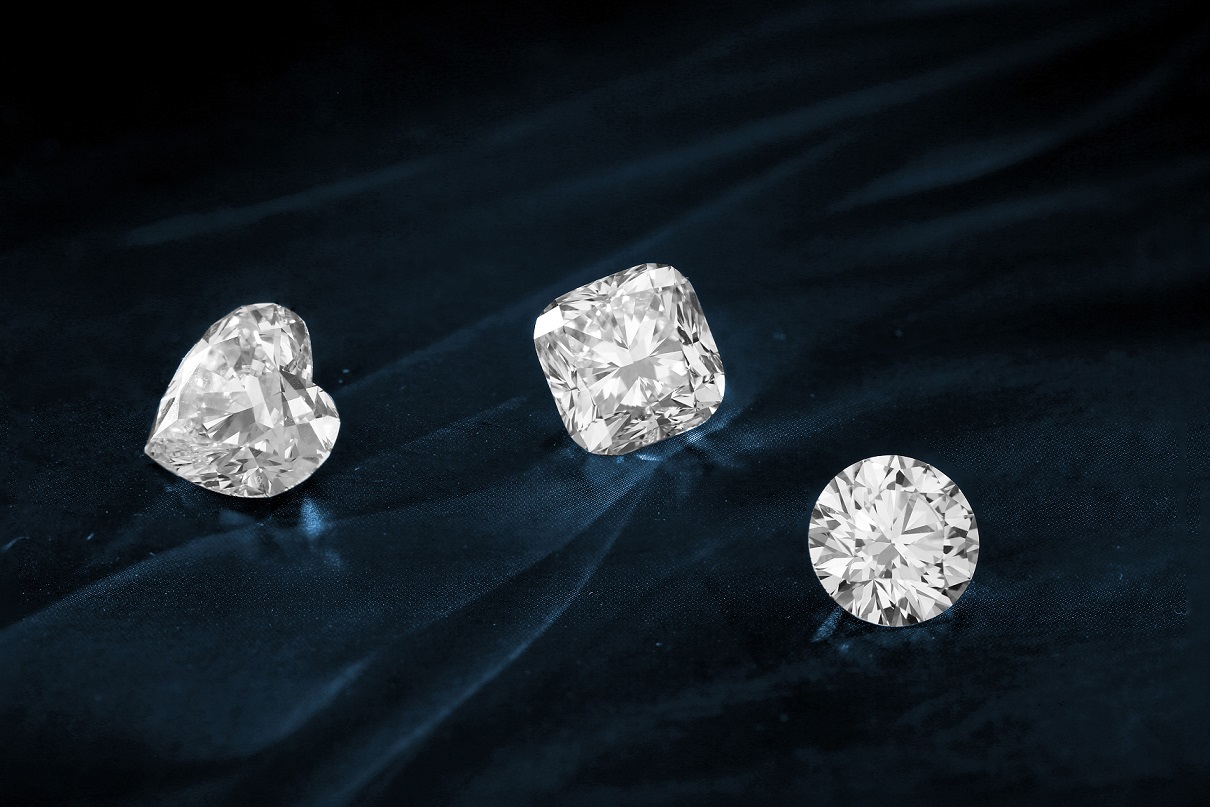
De Beers Group’s proposal to suspend production at its Venetia mine for up to two years marks one of the most significant developments in South Africa’s diamond industry in recent years. While the company expects to maintain its global production targets by relying on mines elsewhere in its portfolio, the decision could have far-reaching implications for employment, investment and the country’s diamond supply chain.
According to the National Union of Mineworkers (NUM), a formal Section 189A consultation process covers 1,214 employees, including 1,134 workers at Venetia and 80 employees at De Beers Sightholder Sales South Africa (DBSSSA).
The proposed pause comes as Venetia remains one of South Africa’s most important diamond assets, accounting for approximately 40% of the country’s annual diamond production, despite contributing only about 10% of De Beers’ global production during the first quarter of 2026.
Although the decision reflects prolonged weakness in the global rough diamond market, it also raises broader questions about South Africa’s future production capacity, mining employment and the resilience of the country’s diamond value chain.
Weak Market Conditions Continue to Reshape Investment Decisions
The proposed Venetia shutdown follows a period of significant pressure across the global diamond industry. Although the mine increased production by 53% year-on-year to 740,000 carats in the first quarter of 2026, higher volumes did not offset weaker pricing conditions across the market.
De Beers reported that the average price it received for rough diamonds fell 19% to US$101 per carat, reflecting lower average prices and a higher share of lower-value stones in its sales mix.
In 2025, De Beers reduced capital expenditure on mines and major projects by 34% to US$353 million, partly by delaying spending on the Venetia underground development. The company recorded an underlying loss of US$511 million, while parent company Anglo American recognised a US$2.3 billion impairment against De Beers, reflecting lower long-term price expectations, weaker consumer demand and continued market pressure.
The proposed pause is therefore not only an operational decision. It reflects a broader industry adjustment, with major diamond producers prioritising capital discipline and aligning production levels with current market conditions.
Why Venetia Matters More to South Africa Than to De Beers
While De Beers has the ability to balance reduced production at one mine through its international portfolio, South Africa faces a more concentrated economic impact.
Employment, procurement, logistics and supplier activity linked to Venetia are largely concentrated in Limpopo. A prolonged suspension could therefore affect not only direct employees but also contractors, service providers and communities dependent on mining activity.
The proposed shutdown also raises questions about the long-term development of Venetia’s underground operation. The project, valued at approximately US$2.3 billion, was designed to produce around four million carats annually and extend the mine’s operating life until at least 2045.
Any prolonged delay could increase restart costs, postpone supplier contracts and make it more difficult to retain the specialised workforce required for large-scale underground mining.
Finsch Suspension Adds to Industry Pressure
The outlook for South Africa’s diamond sector has become more uncertain following developments at Petra Diamonds’ Finsch Mine, the country’s second-largest diamond-producing operation.
In May 2026, Petra Diamonds placed Finsch into business rescue, a formal restructuring process for financially distressed companies, before suspending production while a recovery plan is prepared.
The disruption at both Venetia and Finsch highlights the vulnerability of South Africa’s diamond production base. Although current market conditions do not encourage producers to increase output, reduced operational capacity could become a challenge if global diamond demand begins to recover.
Lower activity at major mines may also affect engineering companies, transport providers, maintenance contractors and equipment suppliers operating in mining regions such as Limpopo and the Northern Cape.
Global Demand Remains the Key Driver of Recovery
The challenges facing South Africa’s diamond industry are closely linked to global market conditions.
The United States remains the world’s largest market for diamond jewellery, while India continues to dominate the cutting and polishing of natural diamonds. At the same time, De Beers has highlighted weak consumer demand in China and increasing competition from laboratory-grown diamonds.
Industry conditions are currently being shaped by several overlapping factors, including weaker discretionary consumer spending, elevated inventories accumulated after the post-pandemic recovery and growing competition from synthetic stones.
Together, these pressures have reduced profitability across much of the natural diamond industry. Improving mine efficiency alone is unlikely to restore investment confidence without a broader recovery in consumer demand and rough diamond prices.
Labour, Government and Ownership Will Shape the Next Phase
The impact of the Venetia pause will depend not only on market conditions but also on decisions taken during the consultation process.
NUM has called on the Department of Mineral and Petroleum Resources (DMPR) and the Department of Employment and Labour to explore alternatives to job losses.
While government intervention cannot reverse global market trends, efforts to retain skilled workers, support affected communities and maintain mining capabilities could influence how quickly the operation returns to full production.
Ownership changes may also play an important role. Anglo American continues its planned divestment of De Beers, with several investor groups reportedly involved in the sale process. No final transaction has been announced.
The identity of De Beers’ future owner may influence the pace of future investment at Venetia and other operations, as new shareholders reassess capital priorities and long-term growth strategies.
A Defining Moment for South Africa’s Diamond Sector
The proposed Venetia production pause should not be viewed as an isolated operational decision. Combined with the suspension of Finsch and continued weakness across global diamond markets, it reflects the broader transformation taking place within the natural diamond industry.
South Africa’s diamond sector now faces a critical period. The recovery of international consumer demand will remain the most important factor determining future production levels, but decisions made over the next two years regarding workforce retention, investment and ownership will shape the competitiveness of the industry for years to come.
Sources
- De Beers Group. De Beers Group Sets Out Portfolio and Organisational Actions to Support Long-Term Value Creation. July 2026.
- De Beers Group. Production Report for the First Quarter of 2026.
- De Beers Group. Annual Results 2025.
- Anglo American plc. Annual Report 2025.
- Financial Times. Reports on De Beers production adjustments, diamond market conditions and the sale process of De Beers. July 2026.
- National Union of Mineworkers (NUM). Statements regarding the Section 189A consultation process at Venetia Mine.
- Petra Diamonds Limited. Updates regarding the Finsch Mine business rescue process.
- Natural Diamond Council. Industry reports and market insights on natural diamond demand.
- Bain & Company. Global Diamond Industry Report.
Photo credit: The Glorious Studio / Pexels.com
Crédito: Link de origem