

Cuba seeks a way out with the most surprising announcement since the Revolution
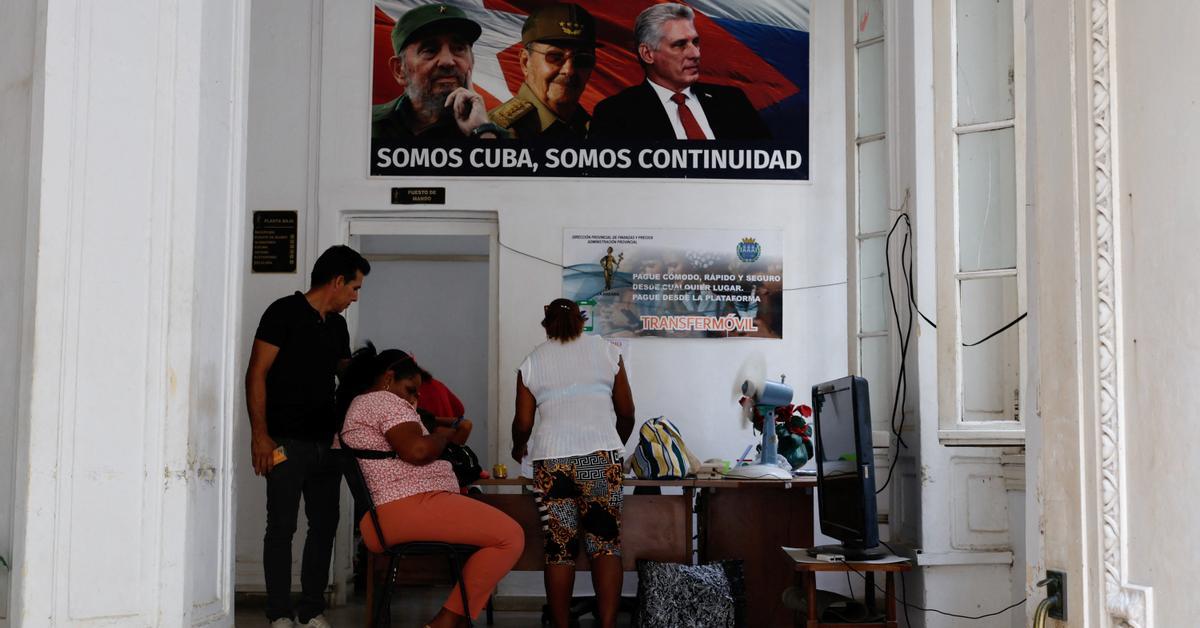
BarcelonaCuba has for years remained firm in the economic and political model adopted after the Revolution. Despite some specific and limited reforms, Castroism has been tenacious in applying changes to the socialist model. Until now. On June 12, Miguel Díaz-Canel surprised by announcing liberalizing measures that were approved this week. The president of the Caribbean country explained that the reforms must allow the private sector’s “business scope” in Cuba to be “as broad as possible” in order to adapt the island to “the demands of the current times”. Among the approved measures, the authorization to open private companies in areas until now reserved for the State stands out, the elimination of prices set by the administration (which will be determined by the market), the permission for the private sector to buy and sell fuel, the end of the public banking monopoly, and reforms aimed at reducing bureaucracy and state centralism.
