

Cuba goes its own way on digital government with UNDP and China support
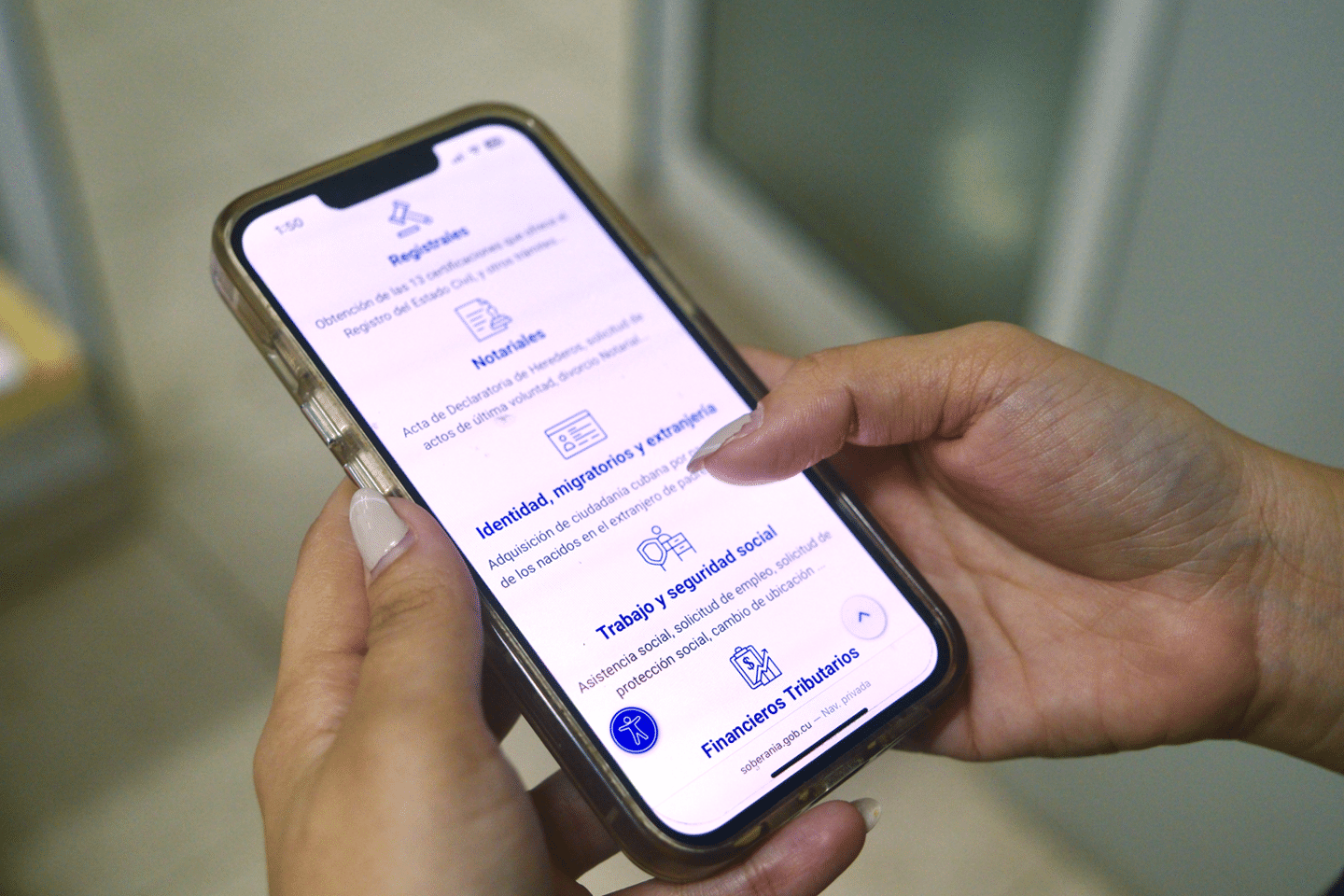
Cuba has launched a new initiative to strengthen its digital government platform Soberanía.
The project is led by the Cuban Center for Digital Government, with backing from the United Nations Development Program (UNDP) and China’s Global Development and South‑South Cooperation Fund.
Cuba’s program puts the focus on upgrading Soberanía’s technology infrastructure as it looks to develop new online services. The Cuban government also wants to promote digital literacy and awareness.
Even as the country has faced severe economic challenges, including widespread electricity failures in the past year, the initiative aims to improve inclusion and accessibility, particularly for women, older adults and people with disabilities.
Cuba president Miguel Díaz‑Canel and prime minister Manuel Marrero visited the Digital Government Center to review progress. Director Wilfredo González Vidal reported that after one year of operation the platform offers 18 online services that include civil registry applications and passport processing.
More than 43,000 verified digital identities have been issued, though González said adoption remains below expectations and challenges remain in securing recognition of digital documents, reports Granma.
Resolution 284 of the Ministry of Justice grants digital records the same legal value as printed ones, but González noted that public officials need training to recognize and respect this right.
The platform currently provides services related to the civil registry and identity management. Users can also make changes to electoral location and there’s social support for vulnerable groups.
Two new projects are also under way. One is to enable citizen participation in reviewing recently approved economic and social reforms, and another to expand access to job opportunities in both state and non‑state sectors.
The initiative shows Cuba’s wider effort to make public administration more efficient and transparent through digital technologies, while also addressing economic challenges.
The government sees the Soberanía platform as an important tool in its digital transformation strategy, intended to improve service delivery and strengthen citizen engagement.
The approach differs from the digital public infrastructure strategies emerging elsewhere in the Caribbean.
A different digital infrastructure strategy
Cuba is consolidating its digital sovereignty around a centralized, state-managed platform backed by Chinese infrastructure and UNDP funding. Its neighbors in the Caribbean, however, are taking a different approach by building a federated and regional digital network inspired by Estonia’s open architecture.
CARICOM nations are assembling complementary building blocks at home that interoperate across borders. Guyana is focusing on biometric identity systems for seamless regional travel, with the biometric verification system supplied by Veridos.
Jamaica looks to establish a transactional trust layer through lawful e-signatures and digital document wallets. The country is also preparing a digital wallet that will allow citizens to securely store and share government-issued documents, including birth certificates and national ID cards.
Trinidad and Tobago is powering credential verification through its VerifyTT platform. Trinidad and Tobago is a pioneering example that could have an outsized effect as it takes a bite-sized approach to DPI. VerifyTT uses the open‑source Inji Verifiable Credentials Stack, chosen for its architecture and governance strengths rather than any vendor tie-in. The Inji digital identity wallet is developed by MOSIP.
Meanwhile, the Caribbean Community (CARICOM) coordinates cross-border alignment that spans real-time payment settlement and shared security biometrics, with mutual ID recognition an important paving stone for cross-border opportunities and regional travel.
Here are two contrasting visions for digital statehood: Cuba’s inward-looking, state-centric model built for domestic sovereignty, versus CARICOM’s networked, market-aligned ecosystem designed to turn national infrastructure into a unified regional economy.
Article Topics
Caribbean | Cuba | digital government | digital public infrastructure | digital sovereignty | government services