

Creative Side Hustle South Africa: A Business Guide
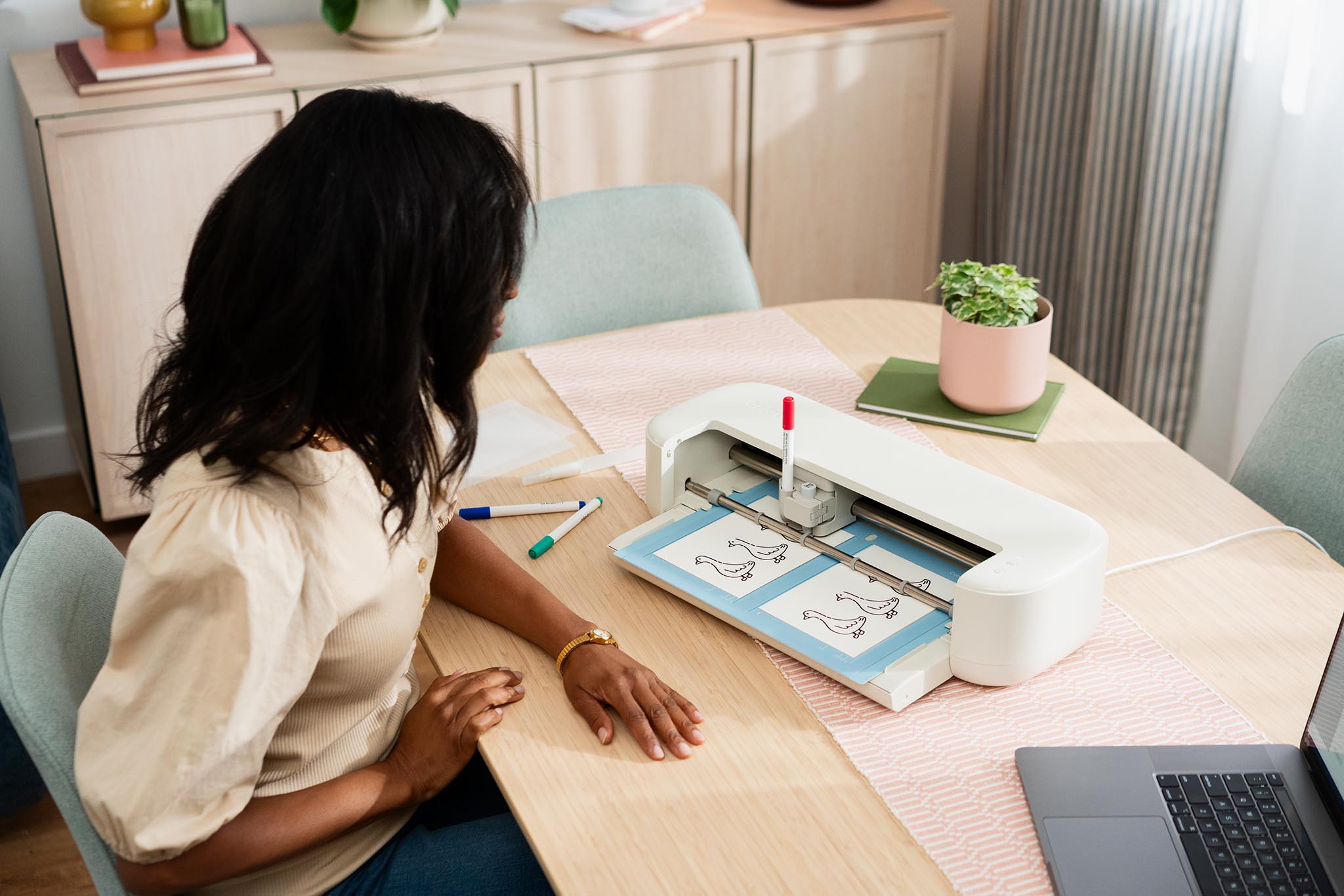
A creative side hustle can start with a single personalised gift, a referral from a friend or an order placed through WhatsApp. Turning it into a sustainable business, however, requires more than creative ability: founders must understand their costs, price their time, develop reliable sales channels and recognise when the business is ready to scale.
Side hustles have become an important part of the South African income landscape. According to the Old Mutual Savings and Investment Monitor 2026, 61% of surveyed working South Africans had more than one source of income. The proportion reached 75% among respondents aged 18 to 29.
The survey covered 1,519 working South Africans aged 18 to 65 who earned at least R8,000 per month, so its findings should not be treated as representative of every household. Nevertheless, they indicate how widely supplementary income strategies have spread among working consumers.
Creative businesses form part of this movement. Products such as personalised clothing, event decorations, gifts, labels and homeware can be produced on a small scale and marketed without opening a physical shop.
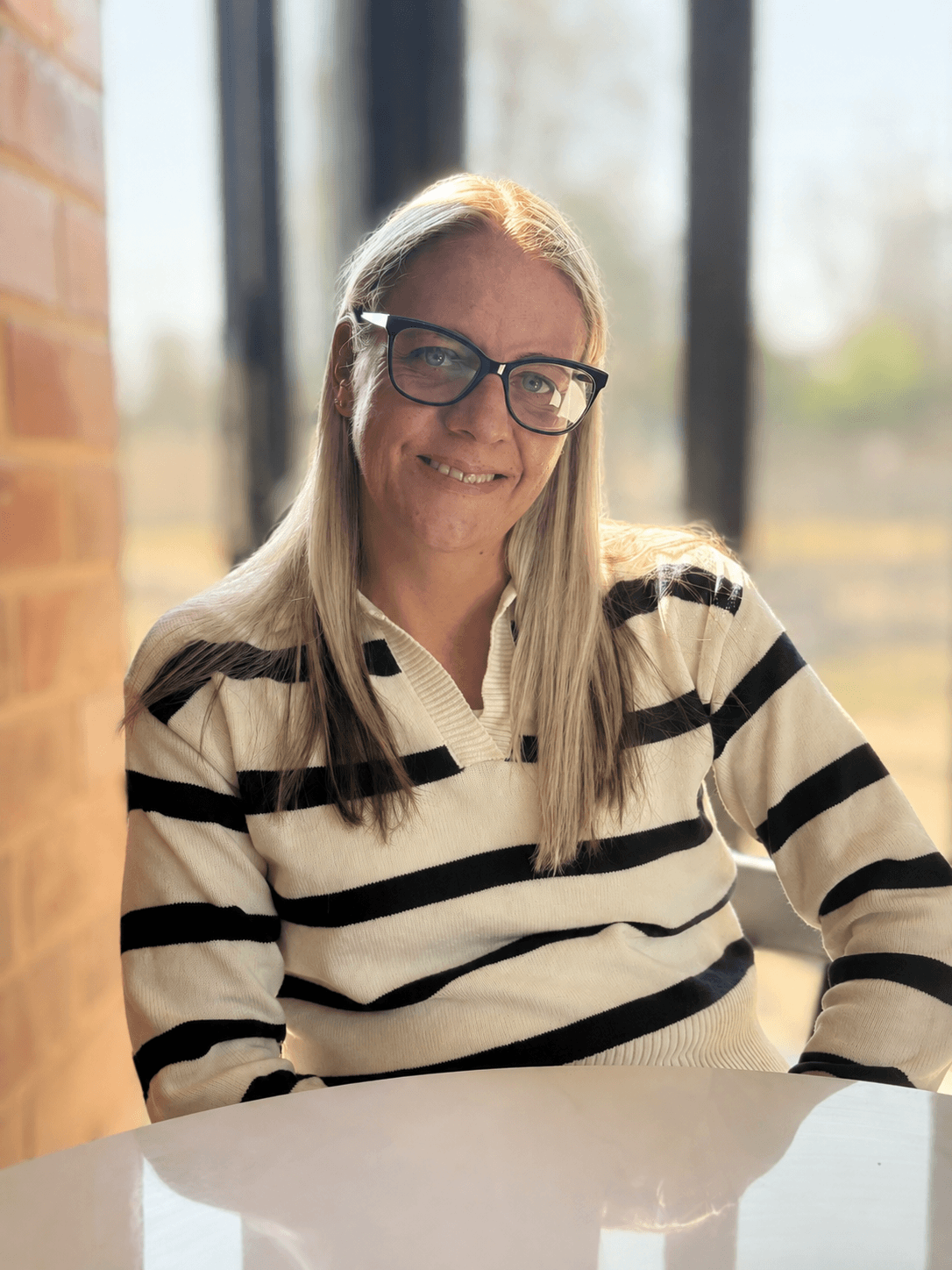
AfricaBusiness.com spoke to two South African creative entrepreneurs about how they moved from making products to earning income: Caroline Teixeira, a creative business owner and workshop host, and Zelda Van Den Bergh, founder of Zoom Creations – Personalised Gifting.
Their experiences show that there is no single route from hobby to business. One entrepreneur may begin gradually and finance each new order from the previous sale. Another may make a larger initial investment to establish production capacity. In both cases, the fundamentals remain the same: test demand, understand the full cost of every product and build trust with customers.

Two routes from creative hobby to business
Caroline’s business developed gradually. She began by making gifts and sharing photographs of them on Instagram. Paid orders followed over time, allowing her to buy materials as customers placed orders instead of making a large upfront investment.
The business eventually replaced the income she had previously earned through a beauty business. It also gave her greater flexibility while homeschooling her children.
“My own experience is an example of how something that starts as a hobby can gradually grow into a business that replaces a previous source of income,” Caroline says.
Zelda followed a different route. She estimates that she invested approximately R10,000 when establishing Zoom Creations. It took around six months before the business began producing what she considered meaningful income.
She currently receives approximately five to ten orders a month. The income supplements household spending rather than replacing a full-time salary, but the business has the potential to grow through a website, a clearer product niche and a simpler ordering process.
“If you have some startup capital to buy items in bulk, it can definitely become a meaningful business,” Zelda says.
| Business factor | Caroline Teixeira | Zelda Van Den Bergh |
|---|---|---|
| Starting approach | Expanded gradually as orders arrived | Made an initial investment of about R10,000 |
| Path to paid orders | Shared handmade gifts on Instagram | Built demand through customer referrals |
| Role of the income | Replaced income from a previous business | Provides supplementary monthly income |
| Main sales channels | Word of mouth, WhatsApp, Instagram and workshops | Customer referrals |
| Main growth constraint | Time, production capacity and maintaining online visibility | Capital, a defined product niche and a simpler ordering system |
Start by testing demand, not buying large quantities of stock
A common mistake when starting a creative side hustle is purchasing a wide range of materials before confirming that customers want the resulting products.
Caroline’s gradual approach reduced this risk. Materials were purchased when orders arrived, allowing actual customer demand to guide the development of the business. This approach may result in slower initial growth, but it limits the amount of money locked into unused stock.
A practical first test can be conducted with a small product range:
- Choose three to five products that can be produced consistently.
- Calculate the complete cost of making each item.
- Photograph finished examples clearly.
- Offer them to an existing network through WhatsApp or social media.
- Record which products receive enquiries and paid orders.
- Collect customer feedback before expanding the range.
The purpose of the test is not simply to attract likes or positive comments. A viable product must generate paid orders at a price that covers the founder’s costs and time.
How to price products from a creative side hustle
Underpricing is one of the fastest ways to turn a busy creative venture into an unprofitable one. Founders often count visible materials but overlook packaging, electricity, delivery coordination, design time and equipment wear.
Caroline says she considers the cost of the blank product, materials, packaging, ribbon, ink, consumables, electricity, delivery and the time required to complete an order. She then compares the result with market prices before adding a profit margin.
A useful starting formula is:
Materials + packaging + transaction fees + electricity + delivery costs + labour + equipment allowance + profit = selling price
Labour should be included even if the founder completes all the work personally. A business that only makes money when the owner’s time is treated as free will struggle to hire help or increase production later.
Equipment should also be accounted for over time. A cutting machine, printer, heat press or laptop may not need to be charged to a single order, but every product should contribute something towards maintenance and eventual replacement.
Referrals generate trust, while digital channels extend reach
Word of mouth remains the strongest sales channel for both entrepreneurs. Personalised products carry a quality risk for buyers: colours, finishes or spelling may not match expectations, and an item is often being purchased for a specific event or recipient. Recommendations from previous customers reduce that uncertainty.
“Word of mouth is definitely my biggest sales driver,” Caroline says.
Digital platforms make those recommendations easier to convert into orders. Caroline uses WhatsApp, Instagram and in-person workshops, while Zelda sees a website as an important next step for simplifying the purchasing process.
A creative business does not necessarily need a full ecommerce website from its first day. A clear WhatsApp catalogue, social-media portfolio and consistent order form may be enough while volumes remain manageable.
A website becomes more valuable when:
- customers repeatedly ask the same questions about products or prices;
- manual order administration consumes too much time;
- the business has a stable range of products;
- customers need to choose colours, sizes or personalisation options;
- the founder wants to attract buyers beyond an existing personal network; or
- online payments and automated order confirmations would improve the customer experience.
Online visibility is work, not a once-off task
Digital channels may remove the need for a physical storefront, but they create another operating requirement: the business must continue producing useful and authentic content.
Caroline identifies the tension between authentic creative work and the demands of social-media algorithms as one of her biggest challenges. Time spent photographing products, making videos, answering messages and updating listings can reduce the time available for production.
Founders should therefore choose channels they can maintain consistently. A well-managed presence on one or two platforms is generally more useful than inactive profiles across every major network.
Product pages and social posts should answer the questions customers ask before buying: what the item is made from, how it can be personalised, how long production takes, what delivery costs and how mistakes or changes are handled.
Finance can support growth, but it cannot create demand
Access to capital affects creative businesses differently. Caroline was able to grow organically by reinvesting income as orders arrived. Zelda regards finance as a more significant constraint, particularly where bulk purchasing could reduce unit costs.
Additional capital may make sense when a business has repeat orders but lacks the equipment, materials or capacity to fulfil them efficiently. It is more dangerous when used to buy stock before demand has been established.
Before borrowing or making a large equipment purchase, a founder should be able to answer four questions:
- How many additional orders will the investment allow the business to fulfil?
- Is there evidence that customers will place those orders?
- How much additional profit will each order produce?
- How long will it take for that additional profit to recover the investment?
If the business cannot yet answer these questions, smaller production tests or pre-orders may be more appropriate than debt.
Capacity becomes the next constraint
Neither Caroline nor Zelda currently employs staff. This allows them to control quality personally, but it also places a ceiling on the number of products they can make.
Demand alone does not make a business scalable. The production process must be repeatable, and quality must remain consistent as order volumes increase.
Useful steps before hiring include documenting production stages, creating standard product specifications, using order templates, setting realistic turnaround times and identifying tasks that someone else could complete without compromising the final product.
The founder does not necessarily need to delegate the creative work first. Administration, packing, deliveries, bookkeeping or customer follow-ups may be easier starting points.
When should a side hustle become a formal business?
Formalisation can become relevant when a side hustle begins receiving regular orders, opening business bank accounts, applying for finance, employing people or supplying larger companies.
South African entrepreneurs can use the Companies and Intellectual Property Commission’s BizPortal to access company-registration and related services.
Founders should also keep reliable records of sales and expenses from the beginning. The South African Revenue Service provides information for small-business taxpayers and explains the eligibility requirements for its simplified turnover tax system.
Registration and tax requirements depend on the structure and circumstances of each business. Entrepreneurs should obtain professional advice where necessary rather than assuming that a particular tax system automatically applies to them.
Can a creative side hustle become a full-time business?
The experiences of Caroline and Zelda illustrate two valid outcomes. A creative venture may replace a previous source of income, or it may remain a useful supplementary business that improves a household’s financial flexibility.
South Africa’s wider small-business environment provides grounds for cautious optimism. In Xero’s 2026 survey of 427 South African small businesses, 80% reported revenue growth and 75% reported increased profits. At the same time, 84% said they preferred stability and steady growth to aggressive expansion.
For a creative founder, success therefore does not have to mean employing a large team or opening several stores. A sustainable business may instead provide dependable supplementary income, flexible working hours and greater control over family responsibilities.
A practical creative side-hustle checklist
- Start with a narrow product range. Test a few items before purchasing large quantities of stock.
- Calculate the full cost. Include labour, packaging, electricity, transaction fees, delivery administration and equipment wear.
- Validate demand through paid orders. Interest and social-media engagement are useful, but they are not substitutes for sales.
- Make ordering easy. Provide clear prices, personalisation options, turnaround times and payment instructions.
- Document the production process. Consistent systems protect quality and make future delegation possible.
- Reinvest selectively. Buy equipment or stock when there is evidence that it will improve profitable capacity.
- Keep financial records. Separate business transactions where possible and retain invoices and expense records.
Frequently asked questions
How much does it cost to start a creative side hustle in South Africa?
There is no universal minimum. Caroline Teixeira expanded gradually by purchasing materials as orders arrived, while Zelda Van Den Bergh invested approximately R10,000. The required amount depends on the products, equipment and materials involved.
How long does it take for a side hustle to make money?
Zelda says it took approximately six months before her business produced meaningful income. Caroline’s paid orders developed gradually after she began sharing examples of her work online. Results depend on demand, pricing, product quality and the founder’s existing network.
What are the best sales channels for a creative business?
Both entrepreneurs identify referrals or word of mouth as important. WhatsApp and Instagram can help display products, answer enquiries and convert recommendations into orders. Workshops can provide an additional revenue stream and introduce potential customers to the business.
Does a creative side hustle need a website?
Not necessarily at the beginning. A website becomes more valuable when the product range is stable, orders are arriving regularly or manual administration is taking too much time.
How should handmade or personalised products be priced?
The selling price should cover materials, packaging, transaction costs, electricity, delivery-related expenses, labour, equipment wear and profit. Founders should then compare the result with competing products without copying prices that may be based on different costs or quality standards.
The interviews used in this article were facilitated by Cricut South Africa. The editorial focus and conclusions were independently developed by AfricaBusiness.com.
Crédito: Link de origem