

Connecticut officials monitoring Ebola outbreak in Congo
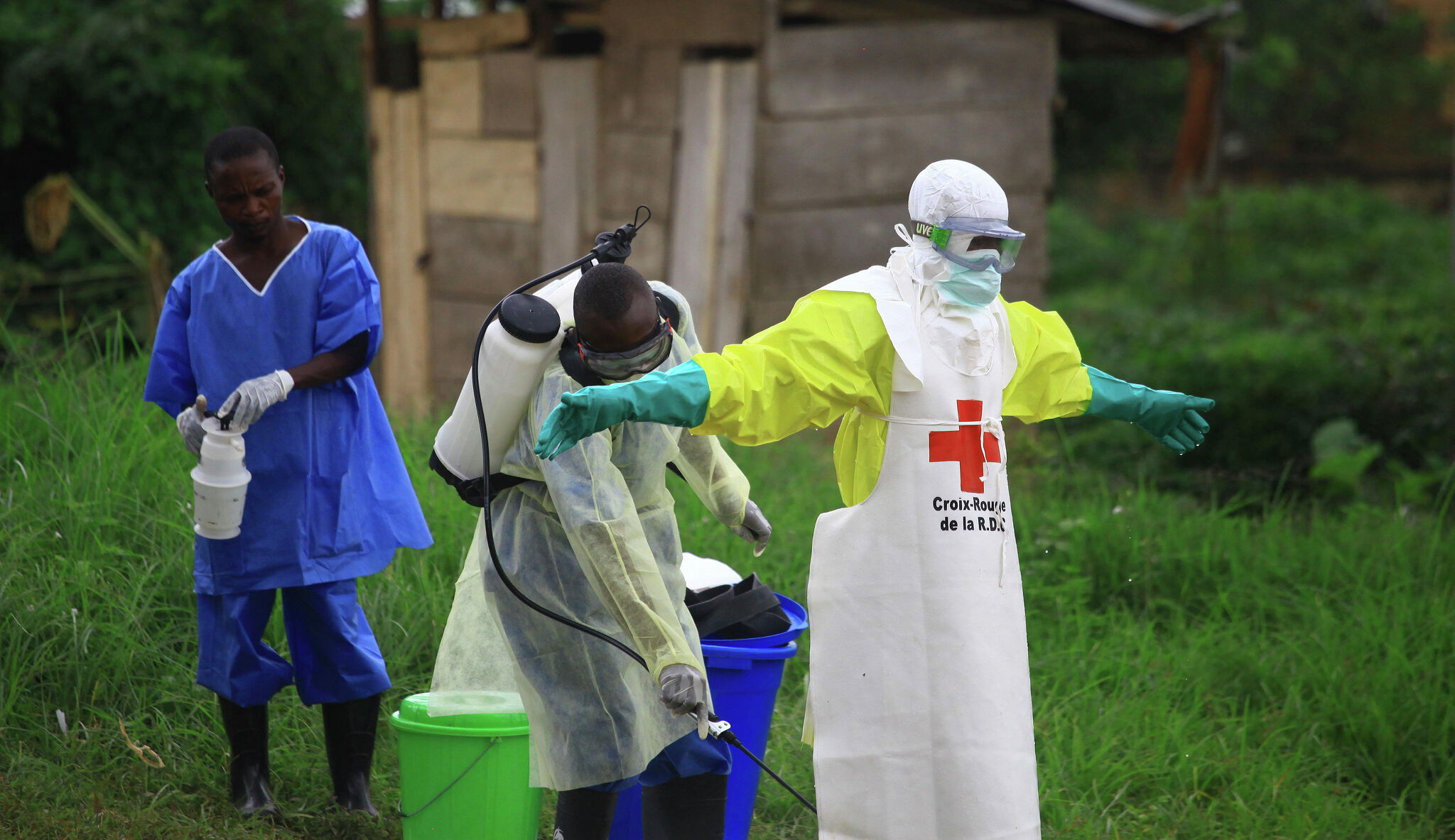
Amid growing international concern over an outbreak of a rare strain of Ebola in eastern Congo, Connecticut health officials said the risk to residents remains low, but are closely monitoring the situation.
“Ebola does not spread through the air. It spreads through direct contact with the bodily fluids of someone who is already sick,” the state Department of Public Health said in a statement Tuesday. “Connecticut’s state lab can test for Ebola, and our healthcare system has protocols ready.”
So far, there have been more than 500 suspected cases tied to the most recent Ebola outbreak and at least 134 deaths. Most cases have been concentrated in the densely populated municipalities of eastern Congo, though deaths have also been reported in neighboring Uganda.
Among those infected is Dr. Peter Stafford, an American doctor who had been treating patients at a hospital in Bunia, the capital of Congo’s Ituri province. Three others who were working at the hospital — including Stafford’s wife — have not shown symptoms.
Highly contagious and often fatal, Ebola spreads through bodily fluids, such as vomit, blood and semen. Symptoms can include fever, severe headache, vomiting, and unexplained bleeding, according to DPH officials.
Clinical resources and other coordinated international efforts are underway to curb the spread, including contact tracing and prevention education. Congo will also open three treatment centers in the eastern Ituri province.
The U.S. Centers for Disease Control and Prevention said Tuesday that the immediate risk to the U.S. public remains low, though the agency is implementing public health measures over the next 30 days to help prevent the virus from entering and spreading stateside. This includes enhanced traveler screening measures, support for disease containment efforts, and an entry ban on non-U.S. residents who have visited Congo, Uganda, or South Sudan within the past three weeks.
DPH officials also recommend that people who’ve recently traveled to any of the affected regions and develop symptoms to call their doctor before going in for a checkup.
Associated Press reports are included in this story.
Credit: Source link