

Congo Ebola Response Needs Five Thousand More Health Workers as Confirmed Deaths Climb Past Three Thousand
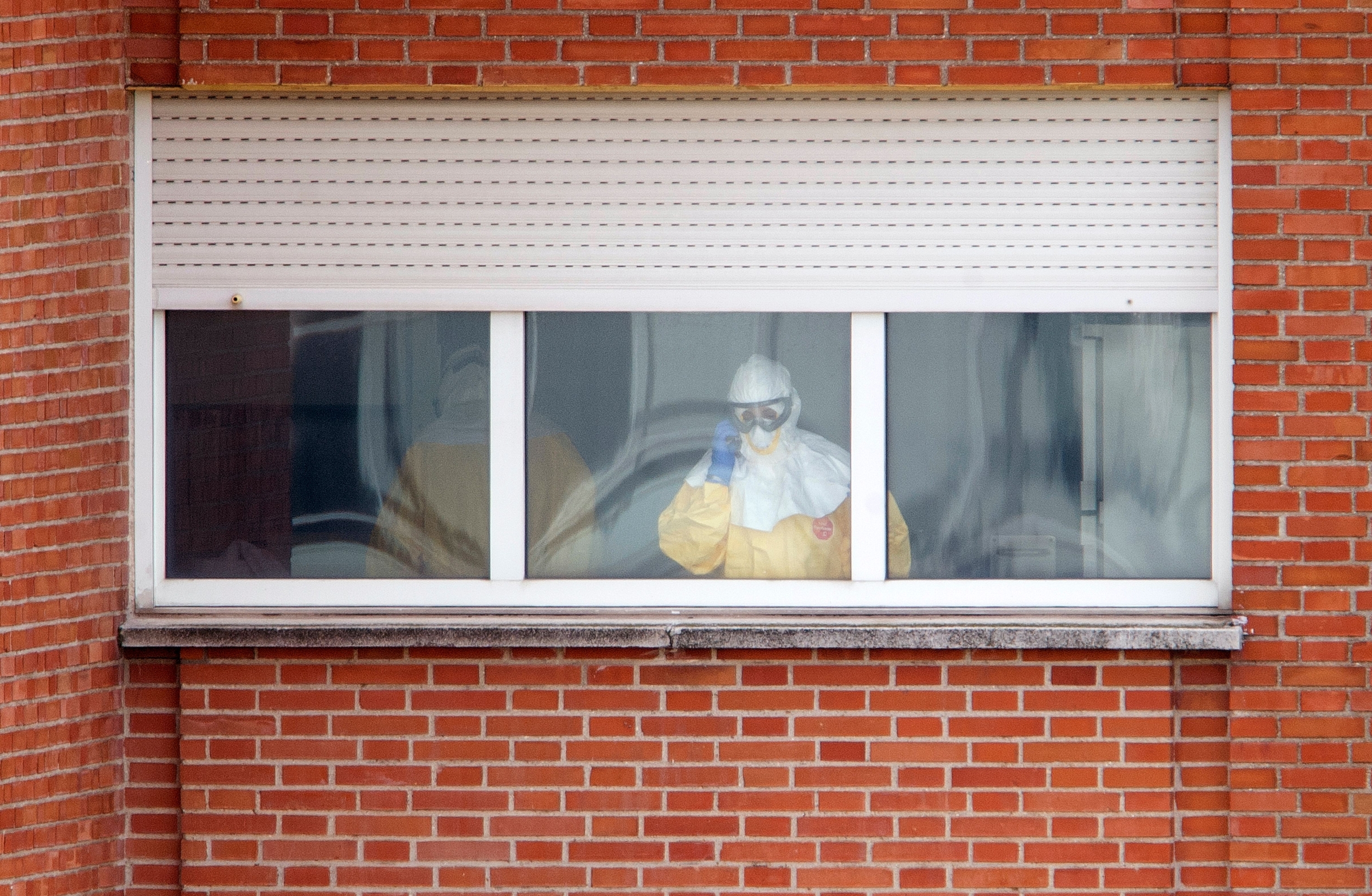
The organizations fighting the deadliest Ebola epidemic ever recorded in the Democratic Republic of the Congo now say their central obstacle is not the virus but the shortage of people trained to treat it. A World Health Organization technical officer told reporters in Geneva on Sept. 8 that a lack of trained staff, operational partners and funding has created a bottleneck in efforts to expand care as the outbreak keeps moving into new territory.
The arithmetic behind that warning is stark. WHO technical officer Luca Fontana said close to 1,400 treatment beds are already open across 59 treatment centers, a pace he described as one of the fastest scale-ups he has seen, including during the West Africa epidemic of 2014 through 2016. Even so, he said roughly another 1,600 beds are still required. WHO estimates about three health workers are needed for each Ebola bed, so filling a planned 3,000 beds would take roughly 9,000 staff, meaning about 5,000 more people would have to be recruited and trained.
For American readers, the practical stake is narrow but real. Three infections tied to this outbreak have already been treated outside Africa, including two U.S. citizens who were medically evacuated to Germany. Whether that pattern stays rare depends heavily on how quickly the response in Congo can absorb patients rather than leave them at home, where most transmission is still happening.
Inside the Bottleneck Slowing Care in Northeastern Congo
Congo’s health ministry reported 6,686 confirmed cases and 3,226 related deaths in figures current through Sept. 6, according to the European Centre for Disease Prevention and Control, which updates its outbreak page every weekday. That was an increase of 82 confirmed cases and 51 deaths in a single reporting day. About 819 patients were in isolation, and 1,563 people who tested positive have recovered. Those figures remain under continuous review as records are reconciled, so tallies published by other agencies on other dates will differ.
Because cases are appearing farther from the original epicenter around Bunia, authorities have shifted toward placing treatment centers closer to newly affected communities. That shortens the distance to care but multiplies the number of sites needing staff, supplies and supervision. Sixty-one of 151 health zones across six provinces are now affected.
Money is the other constraint. At a high-level briefing for member states, WHO Director-General Tedros Adhanom Ghebreyesus said the government-led response plan for the next six months carries a price tag of 1.3 billion dollars, and he asked countries to accelerate contributions. He acknowledged the request comes at a time when humanitarian financing has contracted. He also said the majority of deaths are still happening in communities rather than in treatment centers, that many of the dead are not being buried safely, and that many were never on a list of known contacts.
The Virus Behind This Outbreak Has No Licensed Vaccine
This epidemic is caused by Bundibugyo virus, a species of Ebola that is far less studied than the Zaire species behind most previous outbreaks. That distinction matters because the licensed Ebola vaccines and monoclonal antibody treatments developed over the past decade were built against Zaire virus and are not approved for Bundibugyo. WHO says three vaccines and three therapeutics are now in trials for this outbreak, but none is approved.
Supportive care remains the main tool. Early fluid replacement, electrolyte correction and treatment of complications meaningfully improve survival, which is precisely why bed capacity and staffing translate directly into deaths avoided.
CDC researchers reported in the agency’s weekly report that the outbreak reached roughly 5,000 cases in about 100 days, an increase they described as unprecedented compared with previous Ebola outbreaks, and that it is now the second largest Ebola outbreak ever recorded worldwide. Cases have been confirmed in six of Congo’s 26 provinces: Bas-Uele, Haut-Uele, Ituri, North Kivu, South Kivu and Tshopo. The same report found that more than half of confirmed Ebola deaths were occurring outside a treatment unit, a sign of insufficient capacity and of transmission chains no one has mapped.
What CDC Travel Rules Now Mean for Americans
The CDC’s current outbreak assessment is that the likelihood of Ebola spreading to the United States is very low, and that if a case were diagnosed here, the risk of onward spread would also be low given U.S. infection control practices. No cases connected to this outbreak have been confirmed in the United States.
The travel rules, however, are unusually strict. CDC recommends avoiding all travel to Ituri and North Kivu provinces and avoiding nonessential travel to Haut-Uele and Tshopo. Beyond advisories, entry to the United States is temporarily restricted: travelers, including Americans, who have been in Congo within 21 days of their flight are not permitted to board commercial flights bound for the United States, and people who have been in Uganda or South Sudan must enter through designated airports for enhanced screening. Anyone with travel plans involving the region should check the current order before booking.
CDC also issued a health advisory to clinicians and laboratories in May outlining case identification, testing and laboratory biosafety steps. WHO declared the outbreak a public health emergency of international concern on May 17.
Uganda offers one encouraging data point. After 20 cases were reported by its health ministry between May and June, WHO declared that country’s outbreak over on Aug. 25 following 42 days without a new confirmed case.
Symptoms, Timing and the Twenty-One Day Window
Ebola disease usually begins with fever, severe headache, muscle pain, fatigue and weakness, often followed by vomiting, diarrhea, abdominal pain and, in some patients, unexplained bleeding or bruising. Symptoms typically appear between two and 21 days after exposure. The virus spreads through direct contact with blood or body fluids of a sick or deceased person, or with contaminated surfaces and materials.
Anyone who has traveled to an affected area and develops fever should call a clinician before arriving at a clinic or emergency department, so staff can prepare. Most fevers after travel to central Africa turn out to be malaria or another common infection.
Households without a travel or occupational connection to the region do not need to change routines, stockpile supplies or avoid ordinary activities. Officials have not recommended any restrictions for the general U.S. public.
The response in Congo is expected to change quickly. Doctors Without Borders now has more than 1,700 staff across five provinces, and WHO has said government capacity could itself become stretched as the health ministry takes over treatment centers established earlier in the response. Case counts are updated by Congolese authorities daily and summarized by ECDC each weekday.
Key Questions Answered
What changed in the Ebola response this week? WHO said on Sept. 8 that shortages of trained staff, operational partners and funding are creating a bottleneck as the outbreak spreads geographically. The agency estimates about 5,000 additional health workers would be needed to staff planned capacity.
How many people have been infected and died? Congolese authorities reported 6,686 confirmed cases and 3,226 related deaths in data through Sept. 6. Figures are under continuous review and are revised as records are reconciled, so other agencies citing earlier dates report lower totals.
Is there a vaccine or treatment for this strain? No. This outbreak involves Bundibugyo virus, and existing licensed Ebola vaccines and antibody treatments were developed against the Zaire species. Three vaccines and three therapeutics are in trials, but none is approved for Bundibugyo.
Are Americans at risk? CDC says the likelihood of spread to the United States is very low and no cases connected to this outbreak have been confirmed here. Aid workers, researchers and travelers to affected provinces face higher exposure risk than the general public.
Can Americans still fly home from Congo? Not directly. Entry restrictions currently bar travelers who have been in Congo within 21 days from boarding commercial flights to the United States, and require them to remain outside the country for that period first.
Which parts of Congo are most affected? Ituri province accounts for the largest share, with 5,365 cases and 2,426 deaths reported from 28 of its 36 health zones. North Kivu is second, followed by Haut-Uele, Tshopo, Bas-Uele and South Kivu.
What happens next? Congolese authorities publish case figures daily, ECDC updates its assessment each weekday, and WHO is seeking accelerated contributions toward a six-month response plan costed at 1.3 billion dollars. MedicalDaily will monitor case trends, bed capacity, and any change in CDC travel guidance.
Credit: Source link