

‘Coming to the clinic is life-threatening’: Gauteng patients struggle to get chronic medication
Story audio is generated using AI
Patients at two clinics in Mamelodi, Pretoria, say chronic medication shortages have forced them to buy medicines out of their own pockets, ration their pills and find alternative ways to manage their conditions, raising concerns about the impact on those who cannot afford private pharmacies.
The concerns come as the Gauteng department of health acknowledges supply challenges affecting the availability of some medicines at public health facilities across the province.
At Mamelodi East Clinic, Easther Chauke, who lives with her 62-year-old mother and 52-year-old aunt, both of whom suffer from high blood pressure, said the family had struggled to get enough medication to last the month.
Speaking to Sunday Times, Chauke said her mother and aunt, who receive their treatment at the clinic, had been told by nurses to split their pills in half, taking one half in the morning and saving the other for the following day.
Though the arrangement had not affected their health so far, she said she was concerned that the tablets could not be divided accurately.
“My mother was instructed by the nurses to split her pills in half because there were not enough. She takes one at 9am and the other half the following day,” she said.
She is also worried about her mother’s safety when her sister is not around to help her manage her medication.
“My mother started attending the clinic when she was diagnosed with BP, and this has never happened before. Now it has gotten worse,” Chauke said.
“How does the government expect people to treat themselves? It is putting their lives in danger,” she said.
She said the situation was compounded by staff shortages at the clinic, which meant patients were not always assisted on the day of their visit.
According to Chauke, some patients are allegedly sent home and told to return the following day to receive assistance.
“This clinic is depressing. People don’t get help fast. They are always turned back home,” she said.
For another patient who asked to remain anonymous, who receives asthma medication at the clinic, the shortages have become something she expects whenever she visits a public health facility.
She said she sometimes had to buy her medication from a local pharmacy for about R450 when the clinic did not have stock.
She said she had resorted to buying her medication in bulk to ensure she had enough to manage her condition when supplies were unavailable at the clinic.
“I have come to terms with the fact that whenever I come here, I won’t get my medication. It is a normal thing now,” she said.
“There is a suggestion box at the clinic where we voice our cries in the hope of getting positive feedback, but it doesn’t change,” she said.
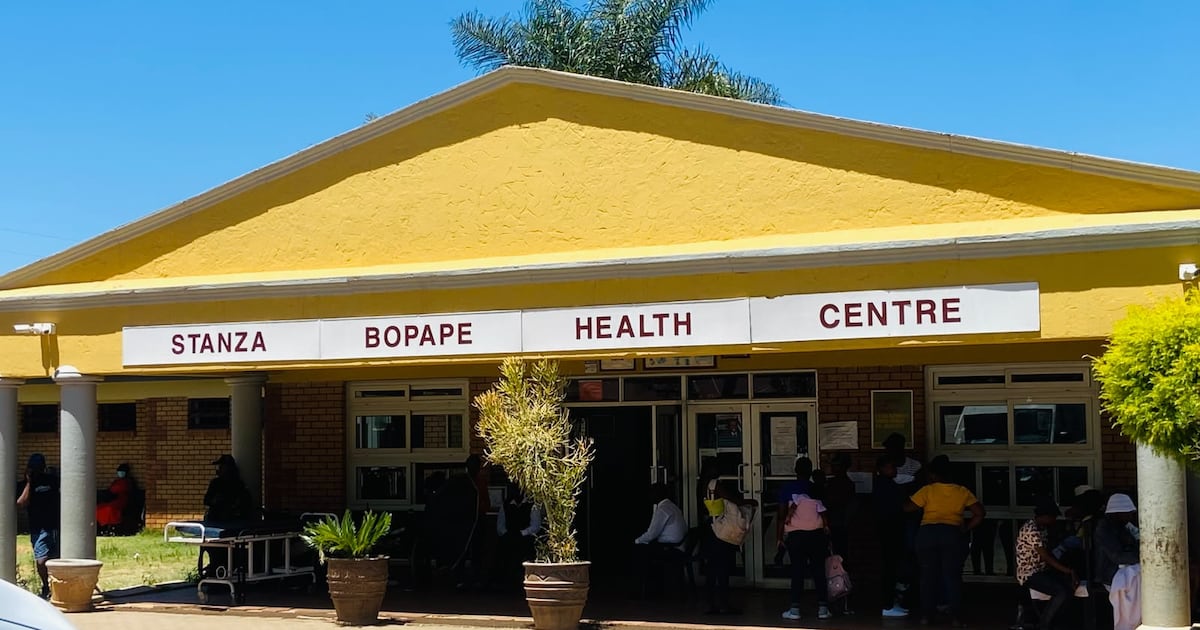
At Stanza Bopape Community Centre in Mamelodi, another asthma patient, Lerato Marumo, said she had previously been hospitalised after arriving at a clinic during an asthma attack and finding that her medication was unavailable.
Marumo, who was born with asthma and uses an inhaler and tablets to manage the condition, said nurses had to transport her to another clinic for further treatment.
“Ever since that experience, I make sure to take extra precautions. I bulk buy pills,” she said.
“Coming to the clinic has become life-threatening because you never know whether you will get the help that you need,” she said.
Where a medicine, strength or pack size was unavailable, the department’s Medicine Availability and Escalation Protocol allowed for alternative pack sizes, strengths and clinically appropriate alternatives in line with approved standard treatment guidelines.
— Gauteng health department spokesperson Steve Mabona
“I never run out of medication because I know that I almost lost my life,” Marumo said.
In a statement, the Gauteng department of health acknowledged that some public health facilities across the province were experiencing medicine supply challenges.
Department spokesperson Steve Mabona said the shortage was due to several factors, including changes in medicine contracts, supplier delays, procurement lead times, limited supplier participation and broader pressures on the pharmaceutical supply chain.
“We used the Stock Visibility System to monitor medicine levels, identify potential shortages and escalate supply concerns. These measures operate alongside the national department of health’s medicine availability monitoring systems,” Mabona said.
He said the temporary unavailability of a particular brand, pack size or supplier’s product did not necessarily mean that treatment was completely unavailable.
“Where a medicine, strength or pack size was unavailable, the department’s Medicine Availability and Escalation Protocol allowed for alternative pack sizes, strengths and clinically appropriate alternatives in line with approved standard treatment guidelines,” he said.
At national level, the department said it worked with manufacturers, suppliers and provincial health departments to address shortages, including investigating whether other registered manufacturers could supply medicines when contracted suppliers could not meet demand.
“We remain committed to ensuring continuity of care and would continue working with the national department, suppliers, districts and health facilities to minimise interruptions to treatment,” the department said.
Crédito: Link de origem