

Colombia shifts course on drug trafficking and prepares a regional offensive against organized crime
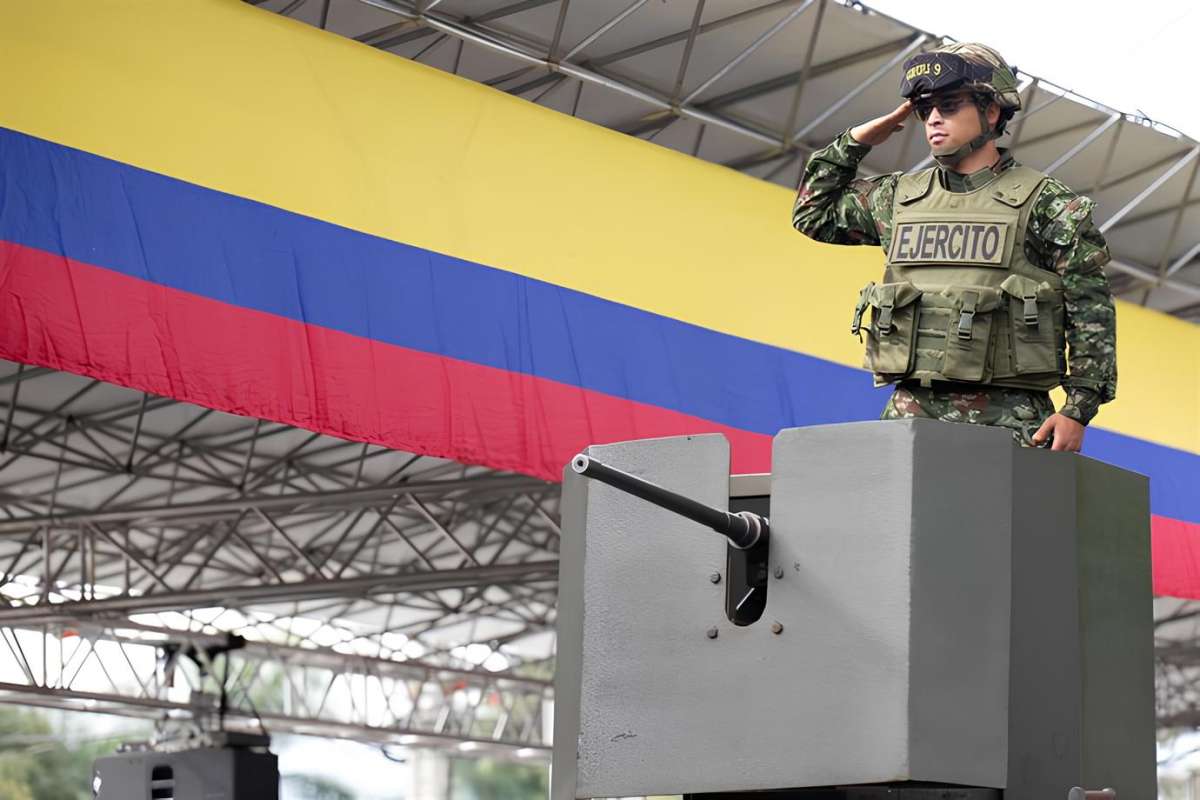
The president of Colombia, Abelardo De la Espriella, has begun to materialize one of the main commitments of his campaign: to regain territorial control and launch an offensive against drug trafficking and armed groups operating in the country. Just two weeks after taking office, the president has renewed the military leadership with the explicit mission of forcefully combating what he calls “narcoterrorism.”
De la Espriella announced last Thursday at least five significant changes in the command structure of the Armed Forces, including the appointment of the new Chief of the Joint Chiefs of Staff. The move represents one of the first substantial decisions of a government that has made security its main banner and intends to break with the “Total Peace” strategy promoted by his predecessor, Gustavo Petro, as reported by Europa Press.
“As I said during the campaign, security is a fundamental pillar of this government, and I am fulfilling the promise I made to my compatriots, to those nearly thirteen million compatriots who trusted in me and voted decisively,” declared the president during the announcement of the new leadership, which he described as “absolutely extraordinary” and aimed at “winning the war against narcoterrorism.”
Generals Erik Rodríguez Aparicio and Carlos Carrasquilla Gómez, both with more than three decades of service, will assume the command of the Armed Forces and the Chief of the Joint Chiefs of Staff, respectively. General José Bertulfo Soto Sánchez will lead the Army; the National Navy will be under the command of Vice Admiral Javier Jaime Pinilla, while the Aerospace Force will regain its name of Air Force and will be led by General Juan Martínez Ossa.
“I am committed to freeing Colombia from crime, from the daily anxiety that narcoterrorism imposes on our society, that organized crime is constantly exerting against our defenseless population,” the president affirmed.
The new security doctrine
The change in military leadership is the most visible expression of a much broader strategy. De la Espriella’s government program proposes a “hard hand” security policy, the recovery of territorial control, the reestablishment of the state’s monopoly on arms, and the dismantling of armed structures that exercise parallel power in certain areas of the country. It also includes strengthening intelligence and judicial processes, pursuing capital from drug trafficking, and reforming the penitentiary system.
Drug trafficking occupies a central place in this strategy. The new government has proposed to destroy the 330,000 hectares of coca that, according to its campaign estimates, exist in Colombia through a combination of aerial fumigation, manual eradication, crop substitution, pursuit of traffickers’ financial structures, asset forfeiture, and extradition. The proposal marks a return to eradication methods that had lost prominence during Petro’s government.
The magnitude of the challenge explains the priority given to the Armed Forces. Colombia recorded a record 261,000 hectares of coca in 2024, according to the United Nations, while armed and criminal organizations maintain a presence in vast areas of the territory. The government intends to respond with a strategy that combines military operations, intelligence, police, and economic pursuit of criminal organizations.
De la Espriella has also announced the end of the “Total Peace” policy and has ruled out making negotiation with armed groups the core of the security policy. During the campaign, he advocated for a “2.0 remastering” of Álvaro Uribe’s Democratic Security, with the declared objective of regaining territorial control in 90 days, as well as the creation of ten maximum security mega-prisons and a Plan Colombia 2.0 based on drones and artificial intelligence.
“There will be no negotiation with criminals” was one of the central slogans of his campaign. Now, in government, that philosophy begins to translate into a military structure designed to regain the initiative against guerrillas, dissidents, drug trafficking organizations, and criminal gangs.
Colombia approaches Ecuador and Peru
Colombia’s shift does not occur in isolation. The arrival of De la Espriella coincides with a political shift to the right in much of Latin America, driven largely by the increase in insecurity and the wear of progressive governments. Argentina, Ecuador, Chile, Bolivia, Panama, Colombia, and Peru are currently under conservative or right-wing governments, although with significant ideological differences between them.
In this new regional map, Ecuador’s case is particularly relevant for Colombia. President Daniel Noboa has developed a strategy of direct confrontation against criminal organizations since 2024 and has strengthened military and police cooperation with the United States. The political alignment with De la Espriella now opens the door to greater coordination on a 586-kilometer border that has become one of the corridors used by drug trafficking organizations.
Noboa himself has already indicated that the Colombian and Peruvian military presence on the borders will be “crucial” and has advanced that the three countries must work together against security threats. Even before De la Espriella’s victory, both leaders had agreed to promote a joint fight against “narcoterrorism” and facilitate the extradition of Ecuadorian criminals in Colombia.
Coordination can be especially relevant because the pressure exerted on criminal organizations in one country can shift their operations to neighboring territories. In fact, analysts have warned that the Colombian offensive could provoke a retreat of armed groups to Ecuador, precisely at a time when Ecuadorian gangs are engaged in an intense dispute for control of cocaine routes.
The threat is no longer strictly Colombian. The criminal networks operating in Ecuador maintain connections with Mexican organizations such as the Sinaloa Cartel and the CJNG, while Los Choneros and Los Lobos have turned part of the Ecuadorian coast into a platform for cocaine trafficking to Mexico and the United States. Washington has intensified its cooperation with Quito and recently sanctioned networks linked to these organizations.
A new security axis in Latin America
Peru completes a particularly sensitive geographic triangle. The arrival of Keiko Fujimori to the presidency last July has further extended the conservative shift of the region towards the South Pacific. Fujimori has come to power with a discourse centered on security, fiscal discipline, and strengthening ties with the United States.
The coincidence of conservative governments in Colombia, Ecuador, and Peru can facilitate unprecedented coordination against criminal networks that cross the Andean borders. It is not only about sharing information: cooperation can encompass border surveillance, operations against drug routes, financial intelligence, extraditions, and coordinated actions against the logistical structures of criminal organizations.
This regional axis is joined by a much closer approach of Colombia to Washington. De la Espriella has authorized joint military operations with the United States and announced Colombia’s incorporation into the “Shield of the Americas,” a regional alliance promoted by Donald Trump’s administration. The change represents a significant shift from Petro’s era, marked by a distancing from certain forms of military cooperation with Washington.
The fight against drug trafficking thus becomes one of the main points of connection between the new Colombian government and its neighbors. Ecuador has already demonstrated that it is willing to resort to much closer military cooperation with the United States, while Colombia intends to recover a strategy of direct pressure on armed organizations and Peru seeks to strengthen its own security agenda. In the first case, the new military leadership will be responsible for turning that electoral promise into a state operation.
The president of Colombia, Abelardo De la Espriella, has begun to materialize one of the main commitments of his campaign: to regain territorial control and launch an offensive against drug trafficking and armed groups operating in the country. Just two weeks after taking office, the president has renewed the military leadership with the explicit mission of forcefully combating what he calls “narcoterrorism.”
De la Espriella announced last Thursday at least five significant changes in the command structure of the Armed Forces, including the appointment of the new Chief of the Joint Chiefs of Staff. The move represents one of the first substantial decisions of a government that has made security its main banner and intends to break with the “Total Peace” strategy promoted by his predecessor, Gustavo Petro, as reported by Europa Press.
“As I said during the campaign, security is a fundamental pillar of this government, and I am fulfilling the promise I made to my compatriots, to those nearly thirteen million compatriots who trusted in me and voted decisively,” declared the president during the announcement of the new leadership, which he described as “absolutely extraordinary” and aimed at “winning the war against narcoterrorism.”
Generals Erik Rodríguez Aparicio and Carlos Carrasquilla Gómez, both with more than three decades of service, will assume the command of the Armed Forces and the Chief of the Joint Chiefs of Staff, respectively. General José Bertulfo Soto Sánchez will lead the Army; the National Navy will be under the command of Vice Admiral Javier Jaime Pinilla, while the Aerospace Force will regain its name of Air Force and will be led by General Juan Martínez Ossa.
“I am committed to freeing Colombia from crime, from the daily anxiety that narcoterrorism imposes on our society, that organized crime is constantly exerting against our defenseless population,” the president affirmed.
The new security doctrine
The change in military leadership is the most visible expression of a much broader strategy. De la Espriella’s government program proposes a “hard hand” security policy, the recovery of territorial control, the reestablishment of the state’s monopoly on arms, and the dismantling of armed structures that exercise parallel power in certain areas of the country. It also includes strengthening intelligence and judicial processes, pursuing capital from drug trafficking, and reforming the penitentiary system.
Drug trafficking occupies a central place in this strategy. The new government has proposed to destroy the 330,000 hectares of coca that, according to its campaign estimates, exist in Colombia through a combination of aerial fumigation, manual eradication, crop substitution, pursuit of traffickers’ financial structures, asset forfeiture, and extradition. The proposal marks a return to eradication methods that had lost prominence during Petro’s government.
The magnitude of the challenge explains the priority given to the Armed Forces. Colombia recorded a record 261,000 hectares of coca in 2024, according to the United Nations, while armed and criminal organizations maintain a presence in vast areas of the territory. The government intends to respond with a strategy that combines military operations, intelligence, police, and economic pursuit of criminal organizations.
De la Espriella has also announced the end of the “Total Peace” policy and has ruled out making negotiation with armed groups the core of the security policy. During the campaign, he advocated for a “2.0 remastering” of Álvaro Uribe’s Democratic Security, with the declared objective of regaining territorial control in 90 days, as well as the creation of ten maximum security mega-prisons and a Plan Colombia 2.0 based on drones and artificial intelligence.
“There will be no negotiation with criminals” was one of the central slogans of his campaign. Now, in government, that philosophy begins to translate into a military structure designed to regain the initiative against guerrillas, dissidents, drug trafficking organizations, and criminal gangs.
Colombia approaches Ecuador and Peru
Colombia’s shift does not occur in isolation. The arrival of De la Espriella coincides with a political shift to the right in much of Latin America, driven largely by the increase in insecurity and the wear of progressive governments. Argentina, Ecuador, Chile, Bolivia, Panama, Colombia, and Peru are currently under conservative or right-wing governments, although with significant ideological differences between them.
In this new regional map, Ecuador’s case is particularly relevant for Colombia. President Daniel Noboa has developed a strategy of direct confrontation against criminal organizations since 2024 and has strengthened military and police cooperation with the United States. The political alignment with De la Espriella now opens the door to greater coordination on a 586-kilometer border that has become one of the corridors used by drug trafficking organizations.
Noboa himself has already indicated that the Colombian and Peruvian military presence on the borders will be “crucial” and has advanced that the three countries must work together against security threats. Even before De la Espriella’s victory, both leaders had agreed to promote a joint fight against “narcoterrorism” and facilitate the extradition of Ecuadorian criminals in Colombia.
Coordination can be especially relevant because the pressure exerted on criminal organizations in one country can shift their operations to neighboring territories. In fact, analysts have warned that the Colombian offensive could provoke a retreat of armed groups to Ecuador, precisely at a time when Ecuadorian gangs are engaged in an intense dispute for control of cocaine routes.
The threat is no longer strictly Colombian. The criminal networks operating in Ecuador maintain connections with Mexican organizations such as the Sinaloa Cartel and the CJNG, while Los Choneros and Los Lobos have turned part of the Ecuadorian coast into a platform for cocaine trafficking to Mexico and the United States. Washington has intensified its cooperation with Quito and recently sanctioned networks linked to these organizations.
A new security axis in Latin America
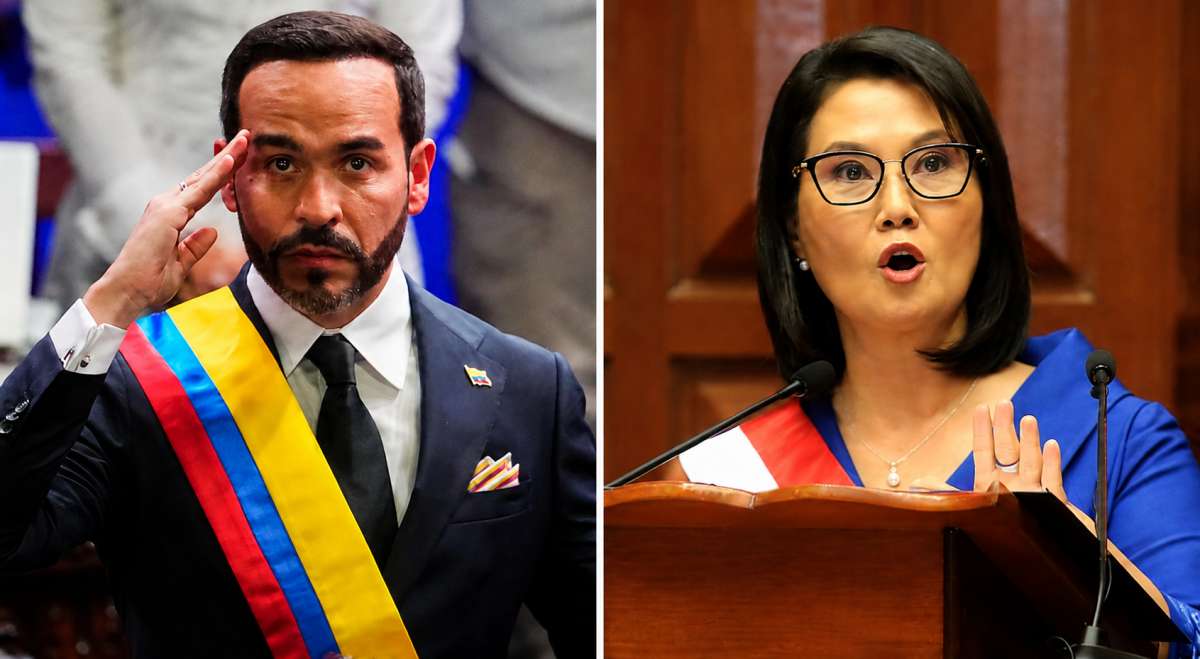
Peru completes a particularly sensitive geographic triangle. The arrival of Keiko Fujimori to the presidency last July has further extended the conservative shift of the region towards the South Pacific. Fujimori has come to power with a discourse centered on security, fiscal discipline, and strengthening ties with the United States.
The coincidence of conservative governments in Colombia, Ecuador, and Peru can facilitate unprecedented coordination against criminal networks that cross the Andean borders. It is not only about sharing information: cooperation can encompass border surveillance, operations against drug routes, financial intelligence, extraditions, and coordinated actions against the logistical structures of criminal organizations.
This regional axis is joined by a much closer approach of Colombia to Washington. De la Espriella has authorized joint military operations with the United States and announced Colombia’s incorporation into the “Shield of the Americas,” a regional alliance promoted by Donald Trump’s administration. The change represents a significant shift from Petro’s era, marked by a distancing from certain forms of military cooperation with Washington.
The fight against drug trafficking thus becomes one of the main points of connection between the new Colombian government and its neighbors. Ecuador has already demonstrated that it is willing to resort to much closer military cooperation with the United States, while Colombia intends to recover a strategy of direct pressure on armed organizations and Peru seeks to strengthen its own security agenda. In the first case, the new military leadership will be responsible for turning that electoral promise into a state operation.