

Colombia Ends Peace Talks With Three Armed Groups
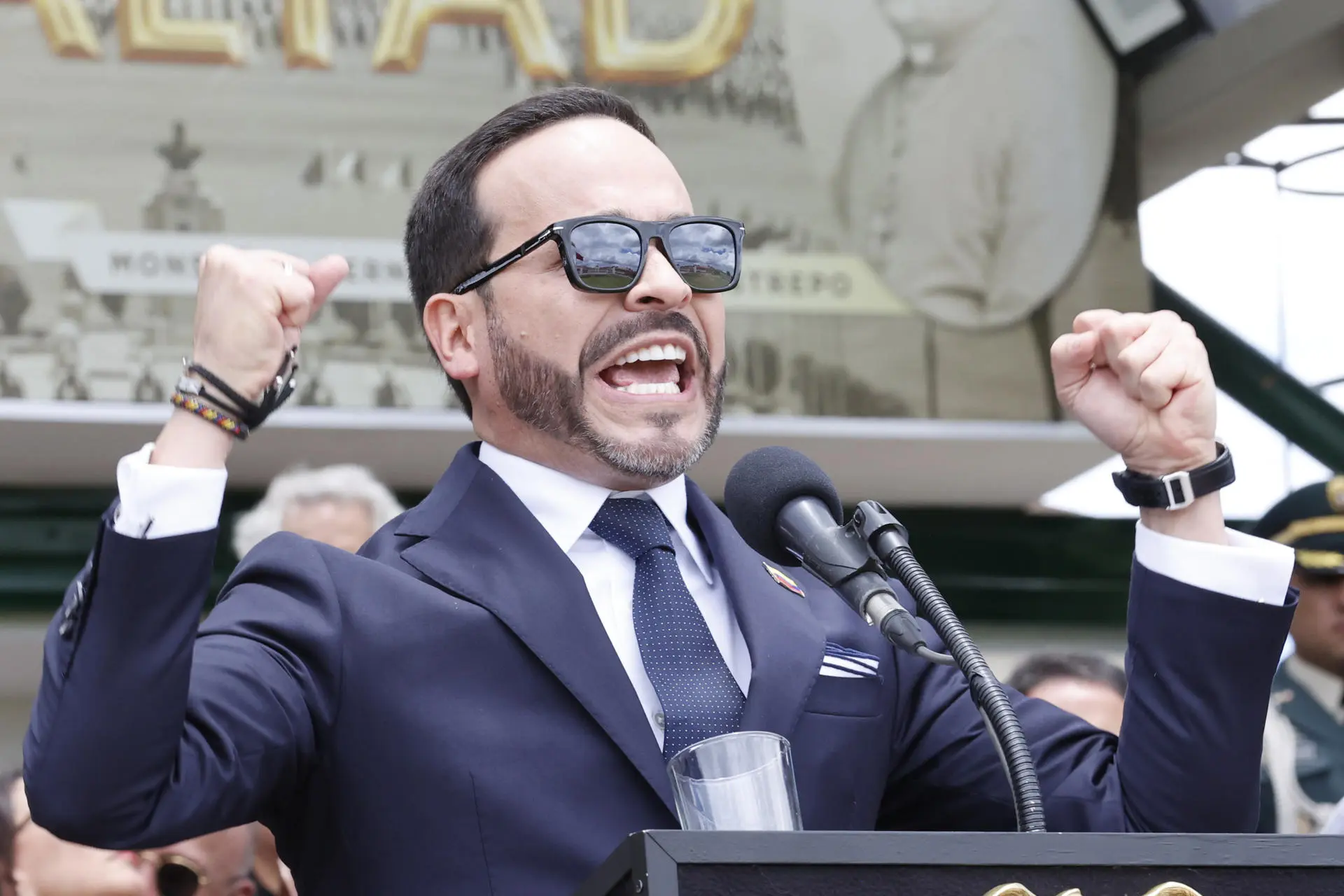
Colombia’s government has formally ended peace negotiations with three armed groups as President Abelardo de la Espriella shifts toward a security policy based on military force. Photo: EFE
August 30, 2026 Hour: 12:51 am
-
-
-
-
-
-
PDF
🔗 Comparte este artículo
President Abelardo de la Espriella has formally ended negotiations with three armed groups, shifting policy toward military force.
President Abelardo de la Espriella’s government has formally ended peace negotiations with three armed groups, breaking with the dialogue strategy pursued by former President Gustavo Petro and shifting toward a security policy centered on the use of state force.
RELATED: Colombian Opposition Rejects De la Espriella Deportation Policy
The presidential resolutions revoke the negotiating tables and institutional recognition of the Autodefensas Conquistadores de la Sierra Nevada (ACSN), the Coordinadora Nacional del Ejército Bolivariano and the Estado Mayor de los Bloques del Magdalena Medio (EMBF). The government said the groups had shown a lack of genuine willingness to reach verifiable commitments.
De la Espriella had already signaled the change in his Aug. 7 inauguration speech, declaring that “the option of dialogue is completely exhausted.”
Text Reads: 📌 The Colombian government has taken a decisive turn in its security policy by signing resolutions that formally cancel the negotiation tables and the institutional recognition of three of the country’s most active armed factions.
🔴 The measure, promoted by President Abelardo de la Espriella, affects the Self-Defense Forces of the Sierra Nevada (ACSN), the National Coordinating Committee of the Bolivarian Army, and the General Staff of the Middle Magdalena Blocs (EMBF). The central administration justified the decision by citing the groups’ “lack of genuine will” to reach verifiable agreements.
Military Pressure Intensifies
The end of the negotiations comes alongside increased military pressure on the armed groups. In the southeastern department of Guaviare, Colombia’s armed forces recently bombed EMBF positions in an operation targeting the faction commanded by alias Calarcá. Preliminary reports put the number of casualties at about 10.
The government has also authorized the extradition to the United States of five men linked to previous negotiations who were in custody.
They include Willington Henao, alias El Mocho Olmedo, of the Frente 33; Carmen Evelio Castillo, alias Muñeca, who is linked to the ACSN; and Geovanni Andrés Rojas, alias Araña, of the Comandos de la Frontera.
The list also includes Gabriel Yepes, alias H.H., leader of Comuneros del Sur, and Freddy Castillo, alias Pinocho, identified as the top leader of the ACSN and Muñeca’s brother. His current whereabouts are unknown.
The measures mark a definitive break with the peace strategy pursued under Petro from 2022 to 2026, which focused on national reconciliation, assistance to victims and negotiated solutions to Colombia’s armed conflict.
Comments are closed.