

Coalition urges Nigerian banks to consider environmental impact
Nigerian civil society organizations have called on banks and other financiers to consider environmental consequences and possible human rights violations linked to projects they finance in oil-producing communities of the Niger Delta. Premium Times Nigeria reports.
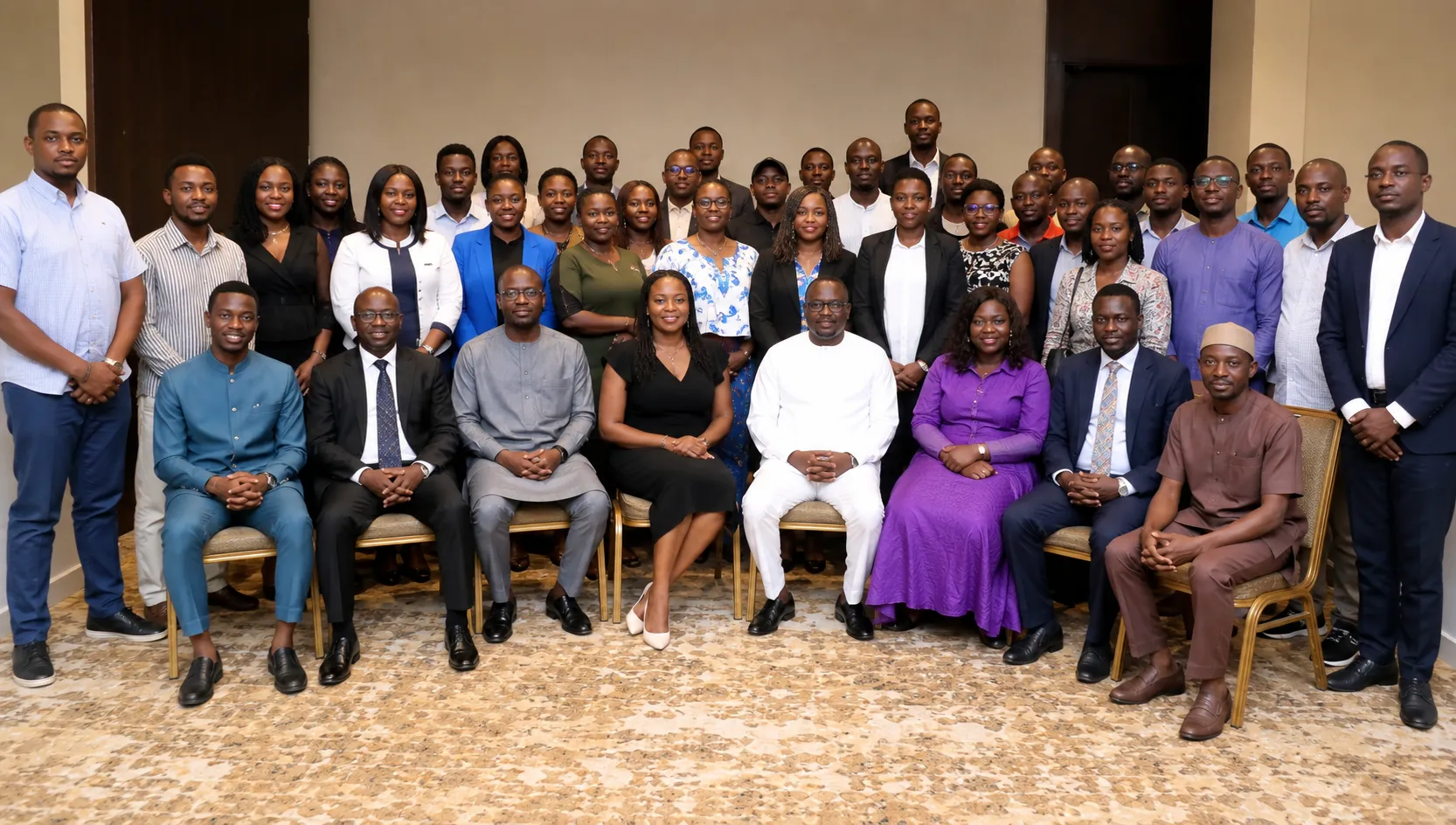
The statement was made during a three-day seminar on responsible finance held on August 26–28 in Uyo, Akwa Ibom State. The event was organized by the Fair Finance Nigeria coalition, which includes BudgIT Foundation, Oxfam, Connected Development, Civil Society Legislative Advocacy Centre, Policy Alert, and Support and Training Entrepreneurship Programme.
Requirements for the financial sector
Henry Ushie, accountable governance program manager at Oxfam Nigeria, said financial decisions are not neutral because loans and investments determine which businesses and activities receive support. According to him, the Fair Finance Nigeria initiative studied the environmental and social effects of financial institutions’ policies and investments.
More current news is available on the UA.News Telegram channel Telegram.
Ushie said the analysis covered climate change, biodiversity, corruption, human rights, gender equality, labor rights, taxation, transparency, and accountability. He called on the Central Bank of Nigeria to strengthen sustainable finance regulations and on the National Assembly to exercise stricter oversight of financial institutions and regulators. The Oxfam Nigeria representative also advocated for broader involvement of affected communities in implementing banks’ sustainable development policies.
Impact on communities
Coalition representative Harry Udo said local communities often suffer environmental losses and loss of livelihoods due to activities financed by banks and other institutions, but have little influence over decisions on such financing. He referred to survey findings from the Ibeno and Eastern Obolo areas of Akwa Ibom State. According to Udo, oil extraction-related activities have affected farmland and fishing, important sources of income for local residents.
Ushie advised activists to file complaints simultaneously through banks’ head offices, official email addresses, local branches, and social media to overcome bureaucratic obstacles. Caroline Gordian, a representative of the Clement Isong Foundation, noted that the initiative complements the Akwa Ibom Extractive Justice Alliance campaign against environmental pollution. According to her, the alliance held a protest in Eket and submitted a petition to the Nigerian regulatory commission for oil extraction over environmental issues.
Download our app

Credit: Source link