

China’s Big Three Airlines Report US$1.21bn First-Half Loss as Fuel Costs Surge
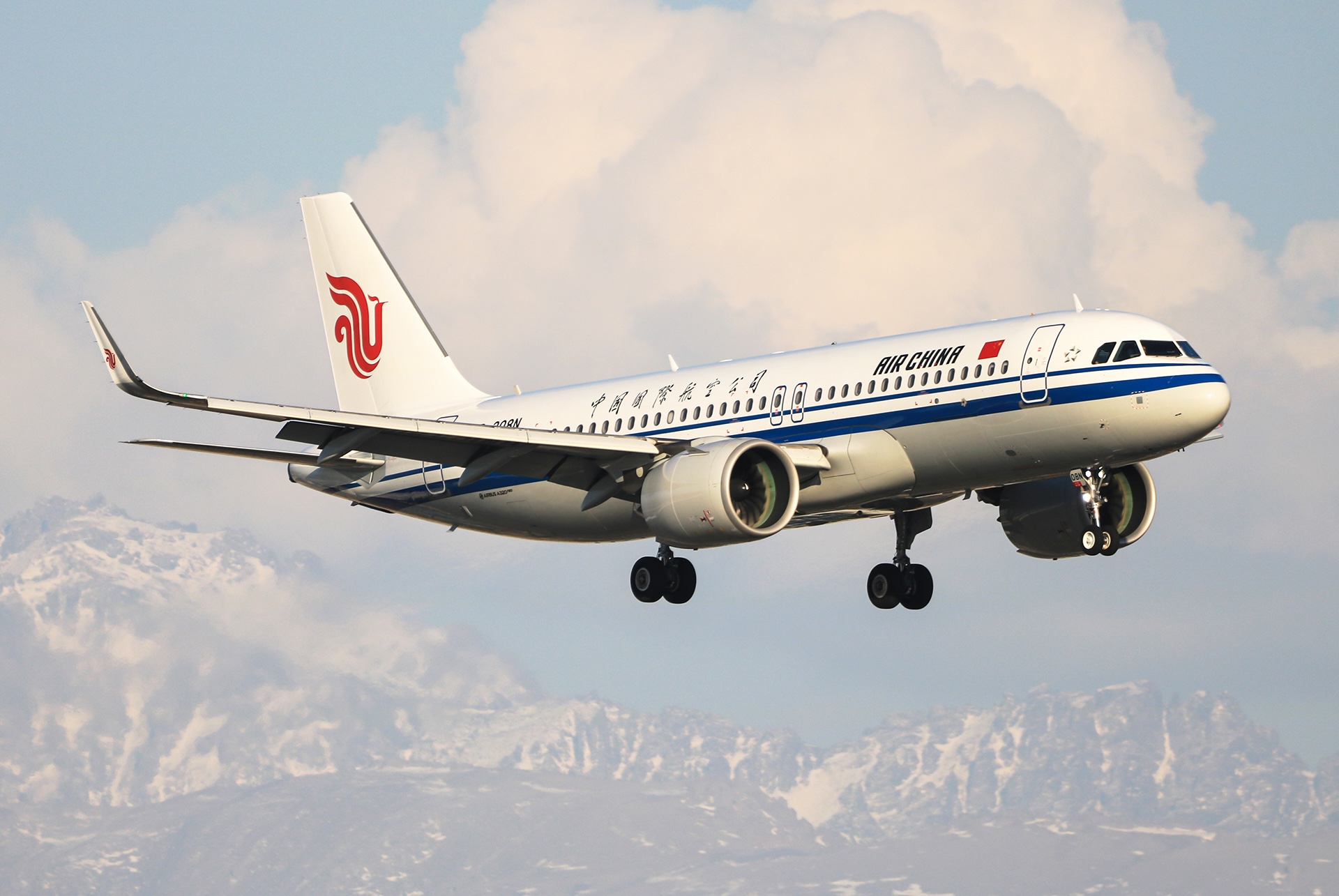
BEIJING — China’s three largest state-owned airlines reported a combined US$1.21bn (RMB8.166bn) first-half loss attributable to shareholders as fuel costs rose by more than a third at each carrier.
Air China (CA), China Eastern Airlines (MU), and China Southern Airlines (CZ) have now recorded first-half losses for seven consecutive years, Reuters reported. Their latest result reversed a combined first-quarter profit of US$717m (RMB4.82bn), which the news agency said was supported by strong Lunar New Year demand.
The three airlines had warned in July that their combined first-half loss could reach RMB9bn. The final total remained below that ceiling, but each carrier’s loss widened from the same period in 2025.
Air China’s interim results show a RMB2.288bn loss attributable to equity shareholders, compared with RMB1.805bn a year earlier. China Eastern reported a RMB2.179bn loss, up from RMB1.431bn, while China Southern’s loss widened to RMB3.699bn from RMB1.534bn.
Fuel Expenses Grew Faster Than Revenue
The losses did not result from falling revenue. Air China increased revenue 10.5% to RMB89.268bn, China Eastern posted an 11.1% increase to RMB74.234bn, and China Southern’s operating revenue rose 9.7% to RMB94.679bn.
Fuel expenses increased much faster in percentage terms. Air China’s jet fuel expense rose 34.7% year over year, China Eastern’s increased 36.2%, and China Southern’s climbed 37.7%. China Eastern said disrupted international routes and persistently high fuel prices had “severely undermined” airline profitability.
Reuters linked the elevated prices to the Middle East conflict and reported that jet fuel remained more than 50% above its prewar level, despite falling from its second-quarter peak.
Chinese carriers generally hedge less of their fuel than many Asian and European airlines, leaving their accounts more exposed to changes in the spot market. China Southern said it buys most of its fuel domestically at spot prices and has “no effective means available” to manage that exposure, although China’s domestic fuel-surcharge mechanism provides some protection.
Airways has explained how fuel hedging can smooth short-term price changes without eliminating the effect of a sustained increase. The filings do not support treating fuel as the only reason for the wider losses: at Air China, the absolute increase in jet fuel expense was slightly smaller than its revenue gain, while depreciation and several other costs also rose.
Summer Demand Adds Pressure to the Second Half
Reuters attributed part of the revenue growth to international demand, particularly on European routes as some passengers avoided connections through disrupted Middle Eastern hubs. The same report said competition from high-speed rail and self-drive holidays limited the airlines’ ability to raise domestic fares without weakening demand.
The third quarter is normally the strongest period for Chinese airlines, but summer traffic has not provided the expected relief. Aviation data firm Flight Master projected that Chinese airlines would carry 142 million domestic and international passengers in July and August, down 3.6% from a year earlier.
Weather added another constraint. Reuters cited meteorological data showing that 21 typhoons had formed in the northwestern Pacific and South China Sea through August 31, nine more than the historical average for the period. The storms disrupted domestic flying during the peak summer season.
HSBC analysts cited by Reuters expect the three airlines to lose a combined RMB16.8bn in 2026, compared with a market consensus for a RMB1.3bn profit. That forecast is not company guidance, but it illustrates how sharply the outlook has changed since the carriers’ profitable first quarter.