

China Defies US Blockade, Shipping First of 60,000 Tons of Rice to Cuba — UNITED24 Media
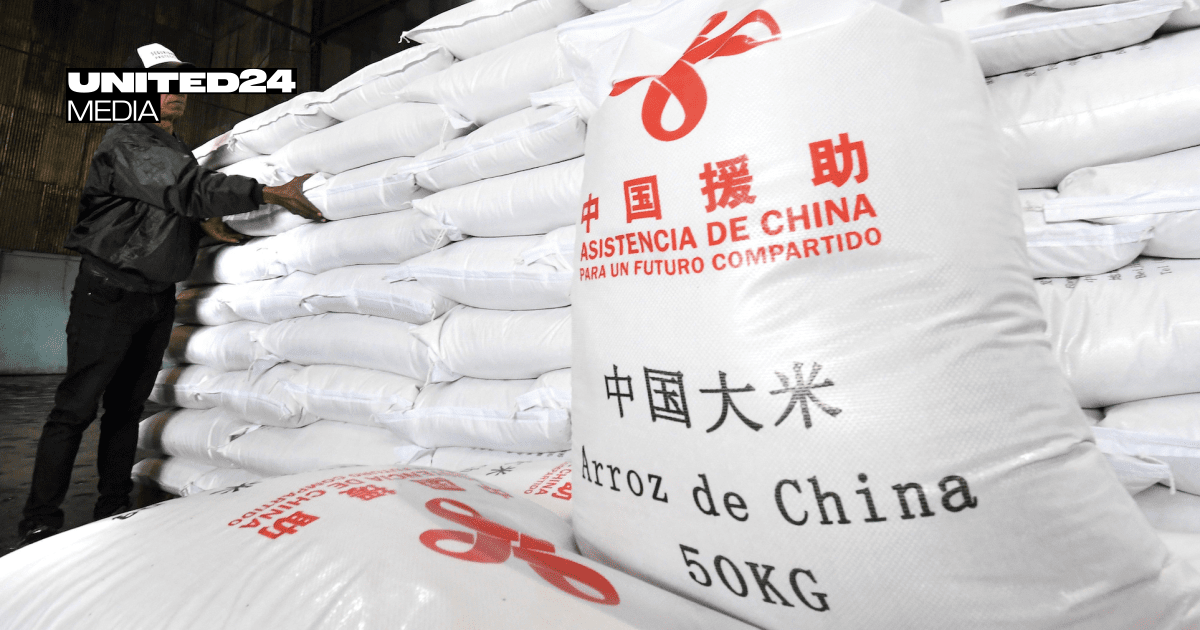
China has openly defied the US pressure campaign against Cuba, delivering 15,000 tons of rice to Havana in the first of several planned grain shipments to the embattled island, The Maritime Executive reported on May 25.
The vessel Sunny Hong, a 33,847-deadweight-ton bulker, was received by a Cuban government delegation on Saturday, May 23. The ship had departed Qingdao on April 1 and transited the Panama Canal on May 8, then then largely stopped transmitting tracking data despite declaring Cuba as its destination.
We bring you stories from the ground. Your support keeps our team in the field.
Cuban President Miguel Díaz-Canel described the delivery on social media as a “noble gesture of solidarity.” Interior Trade Minister Betsy Diaz Velazquez noted the rice was urgently needed and would be distributed immediately across all provinces.
Cuban officials indicated that China has committed to sending a total of 60,000 tons of grain. The shipment arrives amid worsening food shortages on the island, which Havana attributes to the long-running US blockade and pressure campaign.
That campaign, intensified by the Trump administration over recent months, has steadily cut off Havana’s lifelines. The island’s primary energy supply from Venezuela was severed in January, while subsequent deliveries from Mexico were halted under tariff threats from Washington.
The US has framed the measures as targeting the Cuban government rather than its population, indicating it offered $100 million in humanitarian assistance that Havana rejected.
The Chinese cargo followed the arrival a week earlier of an aid ship from Mexico, which Cuban officials reported carried more than 3,125 tons of food, medicine, hygiene products, and solar panels. The Christian charity Sant’Egidio has also dispatched containers of medicine and food from Genoa, one of them valued at roughly $815,000.
No further word has emerged on a second Russian oil shipment believed to have left Europe in April. The product tanker Universal last reported a mid-Atlantic position marked “waiting for orders,” after completing an earlier delivery. Cuba can produce only about 40 percent of its oil needs, and blackouts remain widespread across the country.
Cuba’s growing dependence on outside suppliers has deepened as its energy reserves collapse.
Earlier this month, the exhaustion of the island’s diesel and fuel oil stocks triggered street protests in Havana, with a single shipment of Russian crude left as its only recent fuel supply. Moscow has pledged long-term solidarity with Havana, and Díaz-Canel has reaffirmed his support for the Russian leader, Vladimir Putin.
-4a56a6b482ec132402c16ef6fcabf9a2.png)

Our reporters work on the frontlines to show what’s really happening in Ukraine. Your support helps them keep reporting.