

Cheers to ‘Miss Chin’ – Jamaica Observer
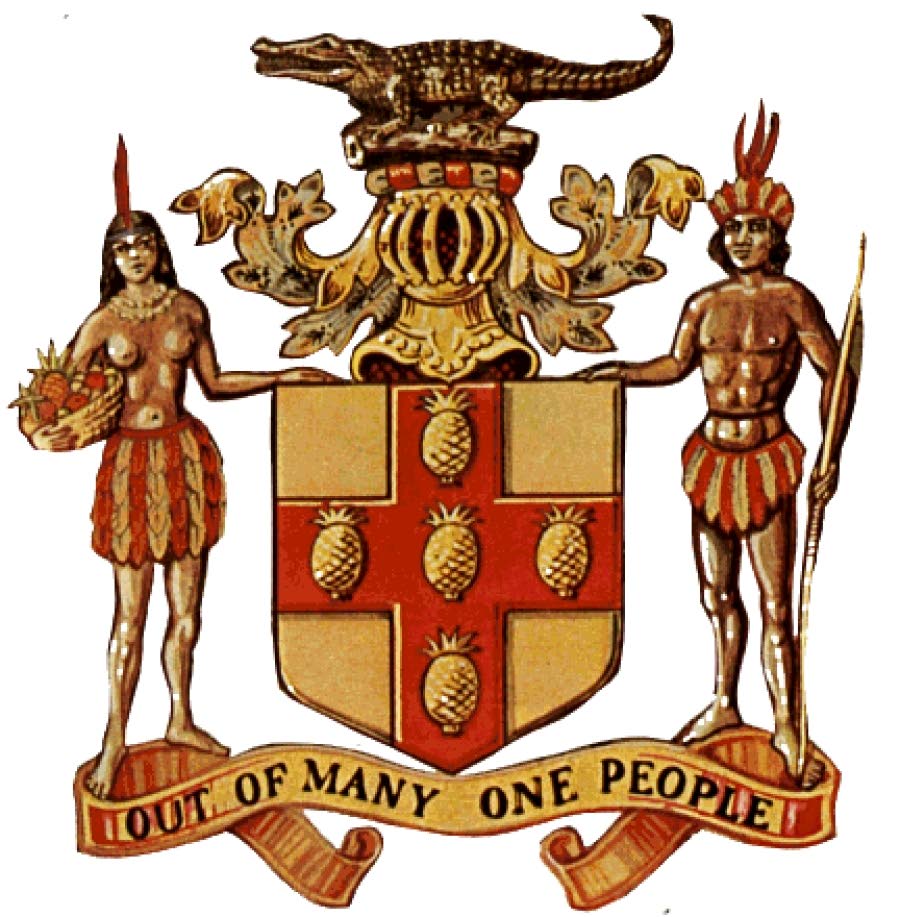
The Jamaican motto ‘Out of many, one people’ speaks to the cultural and ethnic diversity of the Jamaican people..
My favourite Jamaican food will always be made by a “Miss Chin”. Every Jamaican knows what I mean: the catering shop, the glass case, the alchemy no hotel buffet and no ring-lit food blogger has ever replicated. Miss Chin has been feeding Jamaica for generations. She is, in every way, Jamaican, and if this sentence gives anyone pause, this column is for you.
We have just finished celebrating 64 years of Independence under the theme ‘United in Celebrating Resilience’, a phrase that earned itself this year, after Hurricane Melissa. I watched the Grand Gala, as I always do, with real pleasure and one small private test: How many of the streams that made this country would appear on that field? It was a beautiful staging. But the creole threads I had hoped to see were, once again, absent. Year after year we stage one magnificent thread of the tapestry and let the audience assume it is the whole cloth.
I made this argument in these pages last July before the celebrations, and I am making it again this year, after them — which tells you how the year went.
Let me be precise about what I am not saying. The endurance of enslaved people of African heritage and their descendants forms part of the moral centre of the Jamaican story and its deepest stream. It has earned a significant place on that field. Nothing here subtracts a syllable from it.
But a nation that under-celebrates its own ends up not knowing itself. And there is a particular cost when we imply, even by omission, that some Jamaicans are guests here. Somewhere online this year, a foreign vlogger in borrowed patois told a Jamaican woman of Chinese heritage that she did not belong in a “black country”. He is a symptom, and we supply the silence he mistook for agreement.
Does the Grand Gala sufficiently showcase the range of ethnic groups that have contributed to the development of Jamaica?
So rather than complain, let me celebrate, by name.
I’ll start with the patty. In that golden shell is the biography of the island: the pastry: Cornish; the curry: Indian, arriving with the indentured workers who came from approximately 1845; the scallion: Chinese; the spiced interior: African; the annatto giving the crust its rust-red colour: indigenous, from the Tainos who were here before all of us; and the two franchises that made the patty a national institution were built by Jamaican families of Chinese heritage. The patty is not influenced by Jamaican history; it is Jamaican history wrapped in a golden crust.
Then there’s the music. Tom “Great Sebastian” Wong ran what may have been one of the earliest sound systems out of his Kingston shop, spinning records to draw customers; and from that counter emerged a cultural revolution. Leslie Kong was selling ice cream before a young man named James Chambers walked in with a song; the world came to know him as Jimmy Cliff. Vincent and Patricia Chin founded Randy’s Records in 1962, the year of Independence itself; and “Miss Pat” worked that counter for two decades before political violence drove them to New York and VP Records. She is called, without exaggeration, the Mother of Reggae. The sound system, the studio, the label, the distribution were present at foundational moment after foundational moment, yet barely mentioned on any major stage.
The Irish came as prisoners and indentured servants from approximately the 1650s, many of them children. They stayed, intermarried, and became us: Morrison, McLaughlin, Roche, Maloney, and Crowe. Sephardic families (Jews who trace their roots to Spain and Portugal) fleeing the Inquisition arrived from approximately the 1530s, and possibly earlier, barred for centuries from voting and holding office by the very Crown they lived under. Full political rights came in, or around, 1831, within the same historical breath as Emancipation. And two brothers born here to Sephardic Jewish families founded, in 1834, the oldest newspaper on this island,
The Gleaner.
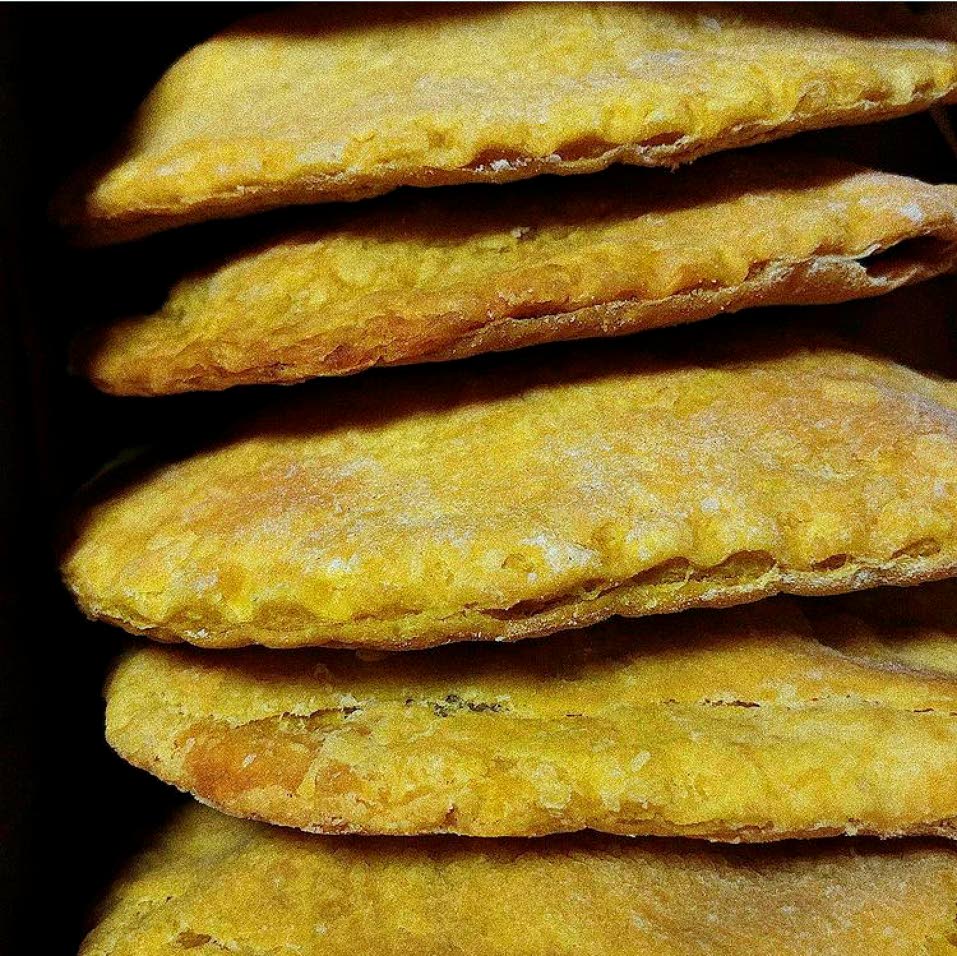
The patty is Jamaican history wrapped in a golden crust. (Photo: Daniel Crooks)
And let’s talk about bun and cheese. I have tried, repeatedly, to share this with people from outside Jamaica. I have watched the faces. Nobody else wants it. Nobody else understands it — a British Easter tradition married to a processed cheese so particular to us (annatto-coloured, faintly spiced) that no other cheese will do. It should not work, but it does. This is proof of our creoleness in our very taste buds.
Last year I wrote that we are not a hyphenated people. I still believe it. There are no Afro-Jamaicans or Indo-Jamaicans or Chinese-Jamaicans etc, only Jamaicans, every inheritance carried whole, honoured, and belonging entirely to the one identity. But saying it once a year in a newspaper is not the same as staging it. A nation shows what it believes by what it puts on the field, whose names it reads out, and whose story it teaches come September.
Which brings me to an opportunity. Next year is Jamaica 65, and it may very well be the last Grand Gala staged at the old National Stadium, the ground on which the Jamaican flag was first raised in 1962. A farewell like that should be the fullest telling we have ever staged — every stream of this story, on that field, by name.
Miss Chin will be at the shop that evening, feeding whoever comes, which is, when you think about it, one of the most Jamaican things on the programme. Out of many, one people. Let us act like we mean it.
Francesca Tavares is an attorney-at-law, compliance professional, writer, commentator, and co-creator of the Jamaican documentary Traffick Blocking: The Docu-Film. Send comments to the Jamaica Observer or francescatavares@yahoo.com.