

Cameroon Removes Russian Shadow Fleet Vessels From Maritime Registry
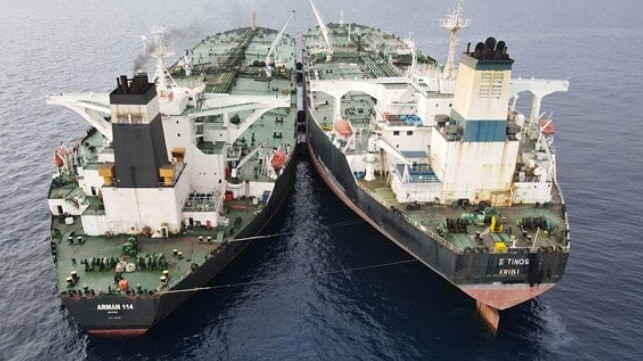
Cameroon’s decision to remove vessels linked to Russia’s shadow fleet from its national maritime registry has become one of the most significant steps by an African state to prevent the misuse of its jurisdiction for sanctions evasion. The move followed sustained diplomatic pressure from the European Union and growing evidence that Cameroon had become one of the preferred flags used by Russian shipping networks to conceal tanker ownership, bypass oil price restrictions, and maintain revenues that support Moscow’s war against Ukraine, according to the Robert Lansing Institute.
However, experts warn that deregistering individual vessels will address only part of the problem. Russia’s shadow fleet relies on broader weaknesses in global maritime governance, including weak oversight, opaque ownership structures, and insufficient monitoring of vessel registrations. These same vulnerabilities are also exploited for illegal fishing, money laundering, drug trafficking, and arms smuggling.
After Western sanctions targeted Russian energy exports following the full-scale invasion of Ukraine, Moscow developed a large shadow fleet of aging tankers operating outside traditional shipping controls.
Cameroon quickly became one of the main jurisdictions used by these vessels. According to maritime investigations, around 100 tankers linked to Russia’s shadow fleet had operated under the Cameroonian flag since December 2025, placing the country among the top three flags used by Russia alongside Russia itself and Sierra Leone.
The appeal of Cameroon’s registry was largely practical: weak regulatory oversight, low registration costs, limited verification of ownership structures, and faster administrative procedures. These conditions allowed Russian operators to use shell companies, frequently change vessel names and flags, and hide links between tankers and sanctioned entities.
Cameroon’s involvement was primarily driven by economic interests rather than political alignment with Russia. Maritime registration fees, certification services, and licensing provide a valuable source of foreign currency for a developing economy.
At the same time, the country’s registry system faced longstanding challenges, including outdated legislation, limited digital monitoring, insufficient inspection capacity, and reliance on private registration agents. These weaknesses made it difficult to distinguish legitimate shipping operators from companies seeking to evade sanctions.
Investigations also revealed cases of vessels falsely claiming Cameroonian registration through unauthorized intermediaries.
The risks extend beyond sanctions evasion. Investigations have linked Cameroonian-flagged vessels to illegal fishing, money laundering, ship-to-ship transfers designed to hide cargo origins, and attempts to bypass sanctions against countries such as Iran and Venezuela.
A major warning sign came when Spanish authorities seized nearly 10 tonnes of cocaine aboard a commercial vessel flying the Cameroonian flag, demonstrating how weaknesses in maritime oversight can be exploited by international criminal networks.
The European Union has pushed Yaoundé to strengthen oversight, arguing that every successful shadow fleet operation weakens energy sanctions, damages maritime transparency, and undermines international insurance and anti-money-laundering systems.
Cameroon had already faced international criticism. In 2023, the EU issued a “red card” over failures to combat illegal fishing, while in 2024 the United Arab Emirates restricted access for Cameroonian-flagged vessels due to concerns over registration reliability.
These pressures contributed to the government’s decision to tighten controls.
Despite the significance of Cameroon’s actions, experts emphasize that Russia’s shadow fleet can quickly adapt by moving vessels to other jurisdictions with weaker oversight.
Restricting access to the Cameroonian flag will increase costs for Russian operators, forcing them to rely on more complex networks of shell companies, forged documents, and risky offshore transfers. However, it will not eliminate the shadow fleet entirely.
The broader international response is increasingly shifting from targeting individual shipowners toward dismantling the infrastructure that supports sanctions evasion — including registries, insurers, financial intermediaries, and classification societies.
To prevent maritime registries from being exploited, experts recommend several reforms:
- mandatory disclosure of ultimate vessel owners;
- automatic checks against international sanctions lists;
- stronger criminal penalties for fraudulent registrations;
- stricter oversight of private registration agents;
- digital monitoring systems capable of identifying suspicious activity;
- international audits of maritime registries.
At the global level, reforms should strengthen implementation of International Maritime Organization standards and ensure that vessels have a genuine connection with the countries whose flags they use.
Cameroon’s decision marks an important step in challenging Russia’s shadow fleet, but it also highlights a much larger issue: the global maritime system must close the loopholes that allow sanctioned actors and criminal networks to exploit weak jurisdictions.
Credit: Source link