

Cameroon: for 2024, the Chamber of Accounts only traces 3% of subsidies to public enterprises
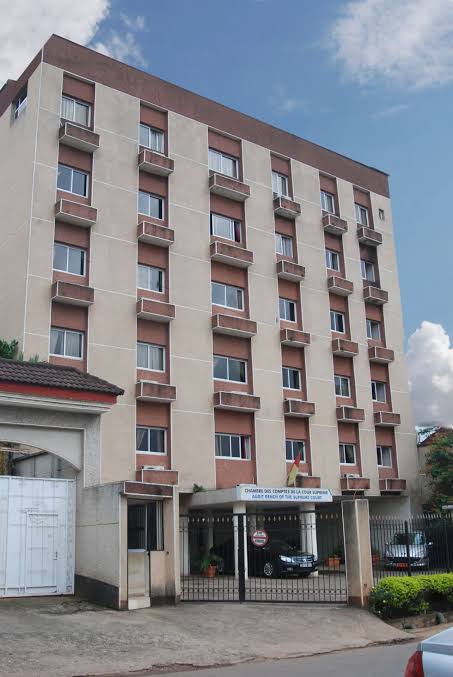
According to figures revealed by the Chamber of Accounts in June 2026, and recently relayed by Professor Viviane Ondoua Biwole in her study report on the expired mandates of public enterprise leaders in Cameroon, out of a total volume of 1.911 billion CFA francs (approximately 3.33 billion USD) of state subsidies to these structures in 2024, only 55.75 billion CFA francs (approximately 97.04 million USD) were subject to effective control. This represents a coverage rate of 2.92%, a particularly low level compared to financial governance standards. This sheds a harsh light on the state of execution and control of Cameroonian public finances.
Upon analysis, this ratio first raises questions about the institutional capacity of the supreme control body to fully carry out its mission. In a context of increased budgetary pressure, marked by the rise in debt service, commitments related to energy subsidies, and the need for investment in social infrastructure, the weakness of control appears as a systemic risk. It reduces the state’s ability to prevent irregularities, correct management drifts, and strengthen the credibility of public action.
Beyond the technical and human resources of the Chamber of Accounts, these figures raise questions about the overall architecture of budgetary control. A rate below 3% means that the vast majority of financial flows escape, in fact, thorough ex post verification. For technical and financial partners, this situation can undermine trust, especially in an environment where expenditure traceability has become a central criterion for eligibility for concessional financing.
On a macroeconomic level, the stakes are far from neutral. Insufficient control promotes the inefficiency of public spending, increases the real cost of public policies, and limits the economic impact of state investments. In the medium term, this can result in a crowding-out effect on private investment, already facing a demanding business environment.
For experts in public finances, the urgency is twofold. Firstly, to substantially strengthen the operational capacities of the Chamber of Accounts, both in terms of human resources and digital tools. Secondly, to place public financial control at the heart of budgetary reform priorities, alongside revenue mobilization and expenditure rationalization.
In a Cameroon committed to a trajectory of budget consolidation, these data recall an economic reality. It is based on the fact that “without credible and extensive control, budgetary effort loses effectiveness and the sustainability of public finances remains fragile”.
Credit: Source link