

Brazil’s São Francisco Valley tightens mango and grape pest control
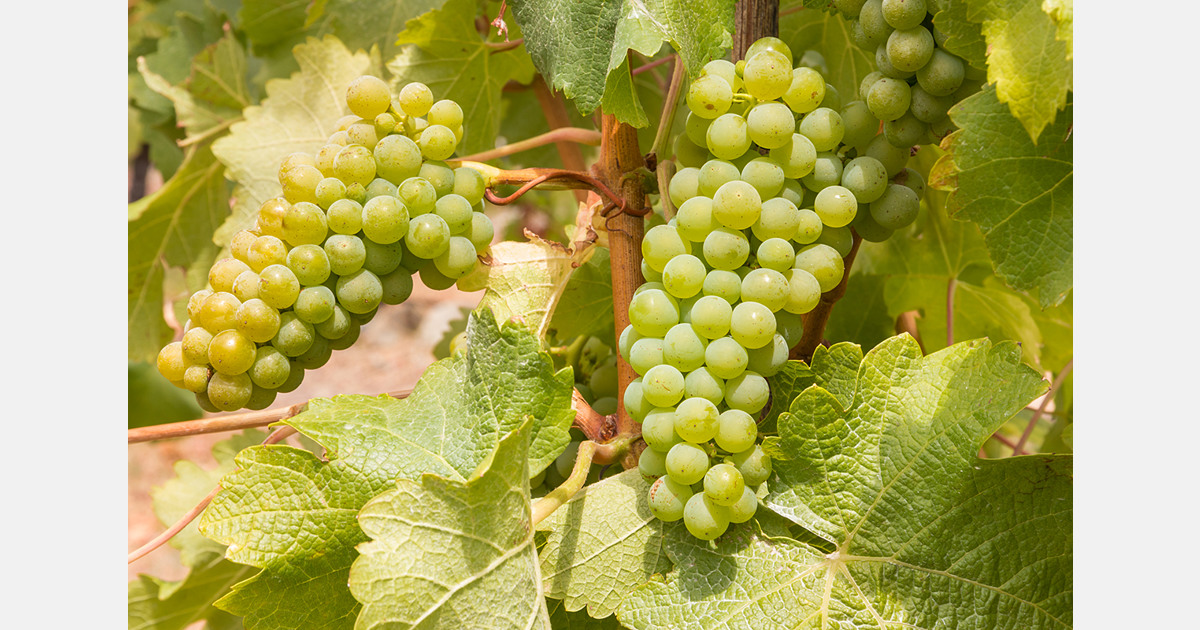
Mango and grape production has helped make Brazil’s São Francisco Valley, particularly the Petrolina/Juazeiro region between Pernambuco and Bahia, a major centre of irrigated fruit production. The crops support around 156,000 jobs and supply both domestic and export markets.
Irrigation, high temperatures, low humidity, and crop management allow year-round production and harvest scheduling, but also require continuous phytosanitary monitoring. In Codevasf irrigation projects in Pernambuco, around 914,000 tons of agricultural products were produced in 2024 across 25,800 hectares, generating a gross production value of approximately R$ 4.8 billion.
Exports also increased phytosanitary requirements. During the 2025 Christmas and New Year period, Adagro issued 844 Plant Transit Permits covering more than 3,700 tons of fruit, mainly mangoes and grapes. In September 2025, the agency inspected 20 mango farms in Petrolina to monitor compliance with phytosanitary protocols for the 2025/2026 crop destined for the United States, focusing on fruit fly control.
Pest monitoring also remains part of vineyard and mango management. Leafhoppers and red mites require attention in grapes, while mango production also depends on routine phytosanitary management.
Among the tools used is Hapan, developed by Hydroplan-EB and formulated with essential oils. According to the company, it is used in grape production in the São Francisco Valley and in mango production, with reported applications against leafhoppers and red mites.
João Quirino, technical coordinator at Hydroplan-EB, said: “The adjuvant, formulated with special essential oils, acts as an auxiliary tool in controlling the main pests. In grapes, we have observed results mainly in the management of leafhoppers and red mites. This work is important throughout the development of the crop and receives attention from fruiting to harvest. In mangoes, we are also starting to use the technology in the cultivation areas of the Valley.”
With production distributed throughout the year and markets in Brazil and abroad, mango and grape growers in the region need to coordinate irrigation, pest monitoring, crop management, and export requirements.
Source: Guaiara News