

Brazil’s fruit exports rise 20% to 619,000 tons in 2026
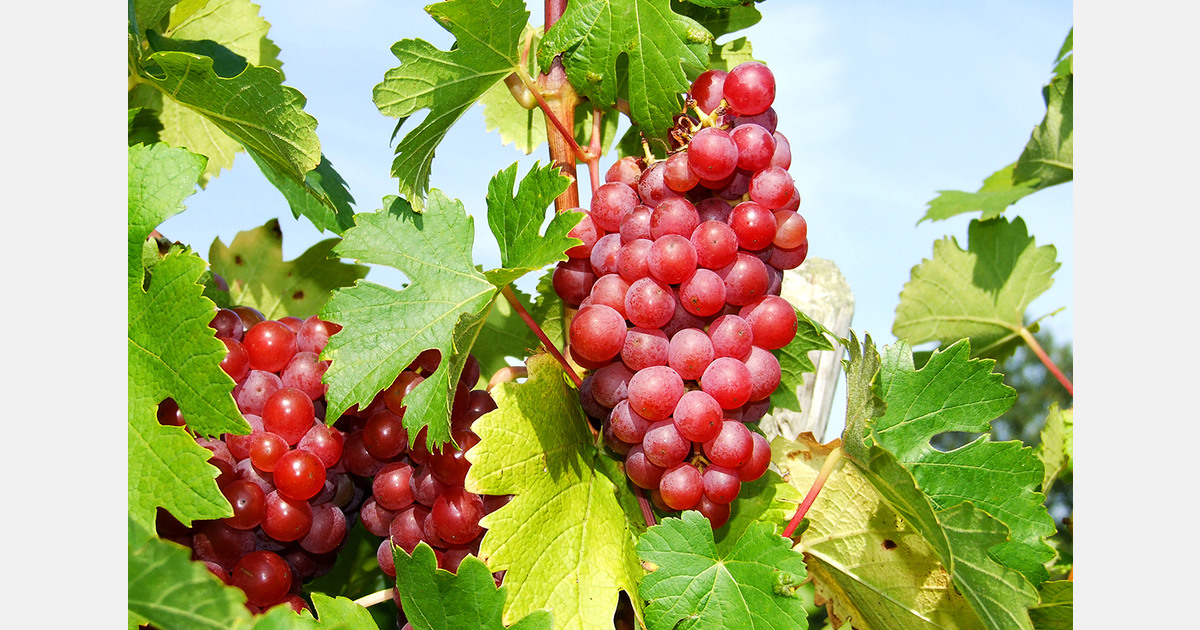
Brazilian fruit exports increased by 20 per cent in the first half of 2026, exceeding 619,000 tons, according to Abrafrutas, the Brazilian Association of Fruit and Derivative Producers and Exporters. The sector is also targeting additional market access, with the first Brazilian grape shipments entering the European Union under zero tariffs following the Mercosur-EU trade agreement.
Abrafrutas president Waldyr Promícia said the tariff change could improve Brazil’s competitiveness in the European market. “What we most hope for is that this gain from ‘no taxation’ reaches the final consumer, that they receive the discount, so that our fruits are increasingly competitive and appreciated by the European public,” he said.
Brazil is the world’s third-largest fruit producer but ranks 23rd in global exports. Promícia said the country has scope to increase production without deforestation. Lemons were cited as one crop with export potential, as Brazil currently exports less than 10 per cent of its production. The opening of the North American market for Tahiti limes is another target.
International market expansion continues to face sanitary and logistical barriers. Promícia said international trade procedures remain slow, while sanitary requirements and logistical difficulties affect access to markets such as China and India. The sector is also investing in research to extend fruit shelf life for longer-distance shipments.
Bio-inputs are becoming more widely used in Brazilian fruit production. Abrafrutas has mobilized 35 agribusiness entities to support balanced regulation of these products, which include fungi and bacteria used for biological pest management.
“Bio-inputs have come to replace that. In the last three years, the use of bio-inputs in our fruit farming has increased by 70%,” Promícia said.
According to Abrafrutas, increasing restrictions on chemical molecules in markets such as the European Union are driving interest in biological alternatives. The association has sent a letter to the Brazilian government highlighting the importance of bio-input regulation for the agricultural sector.