

Brazil: Meet the Candidates 2026
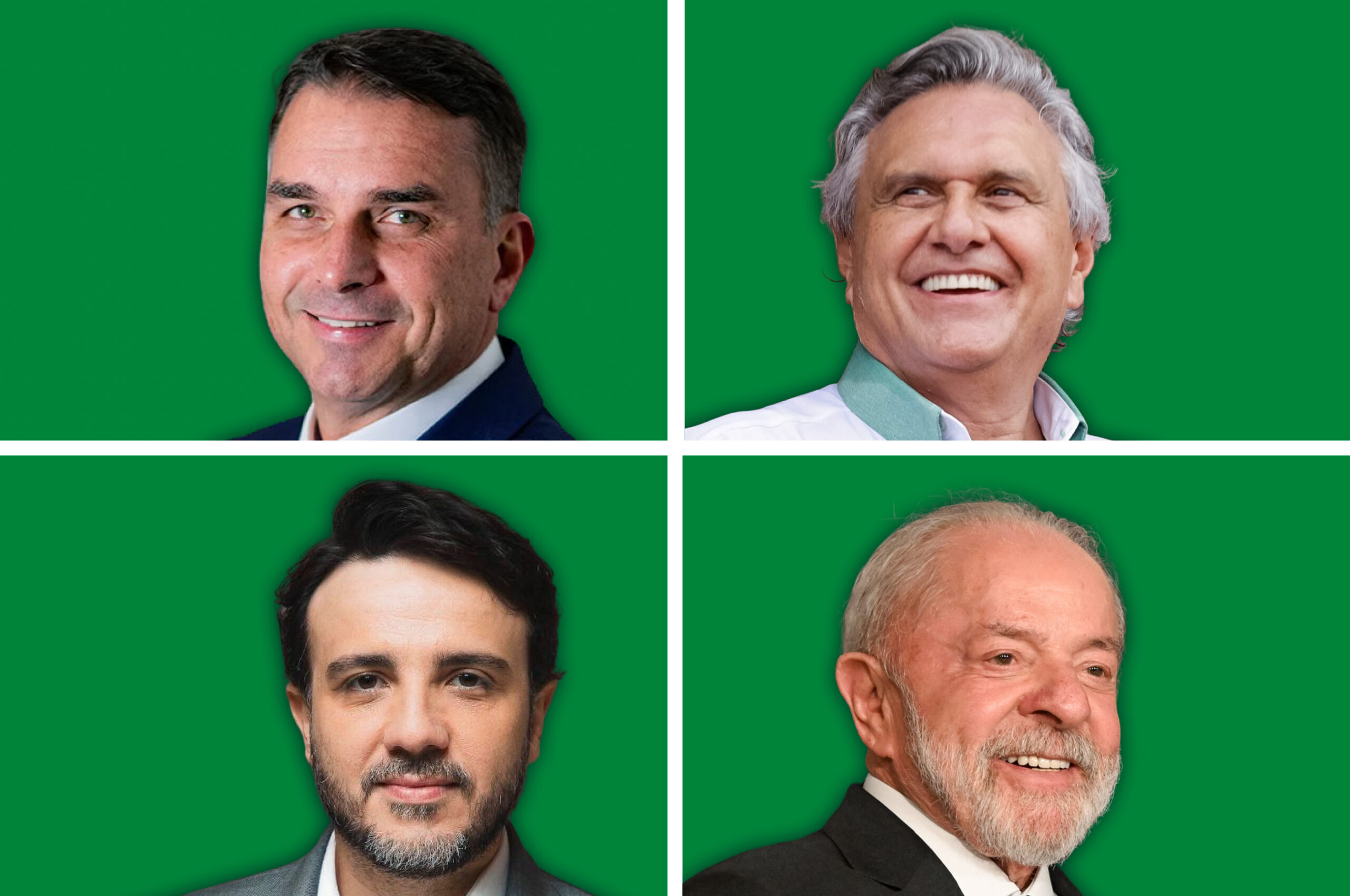
HOW HE GOT HERE
Lula is seeking a fourth presidential term, framing his bid partly as a way to prevent the Bolsonaro family’s return to power. A fixture in Brazil’s politics since the 1980s, Lula narrowly defeated Jair Bolsonaro in the 2022 election. In his third term, he has sought to reactivate Brazilian foreign policy while navigating a turbulent relationship with the U.S. under Trump 2.0, and has seen a boost in popularity when denouncing tariffs as infringements on Brazilian sovereignty. Over the past year, he has maintained steady approval ratings but faces an uncertain reelection campaign.
WHY HE MIGHT WIN
Since April, he has gained more support among independent voters and recovered his polling lead over Flávio. Recent surveys suggest that Lula would defeat Flávio, Caiado and Santos in second-round scenarios. In a July Quaest poll, more respondents expressed fear about the return of the Bolsonaros (46%) than Lula’s reelection (38%). Ahead of the election, the Lula government has expanded a debt-relief program and introduced temporary fuel subsidies amid rising gas prices due to the war in Iran.
WHY HE MIGHT LOSE
Despite the relative strength of Brazil’s economy, with unemployment at its lowest level since 2012, affordability remains a major issue for voters. Many are concerned about Lula’s age—if reelected, he would be 81 on inauguration day (January 5, 2027)—and polling indicates that Brazil’s electorate is shifting to the right. A June AtlasIntel survey found that respondents trusted Lula more than Flávio to manage most areas of governance except for crime and drug trafficking, a top voter priority.
WHO SUPPORTS HIM
Compared to the other candidates, Lula has stronger support in the northeast, and among women, lower-income voters, Catholics, and people 60 years old and over. Current Vice President Geraldo Alckmin, a moderate former governor of São Paulo, is his running mate again.
WHAT HE WOULD DO
Lula has stated that his fourth term “will be about helping this country take the decisive leap toward becoming a developed nation,” but has not yet announced specific economic plans. He has supported widely popular legislation to end Brazil’s six-day work week and move to a five-day, 40-hour model that does not reduce pay. Lula would likely stick to his playbook, prioritizing social programs, strengthening state energy company Petrobras and supporting oil drilling in the Amazon while curbing deforestation and expanding the use of renewables.
IDEOLOGY
Source link