

Brazil Deepens Trade Ties With Indonesia at Food & Hospitality 2026
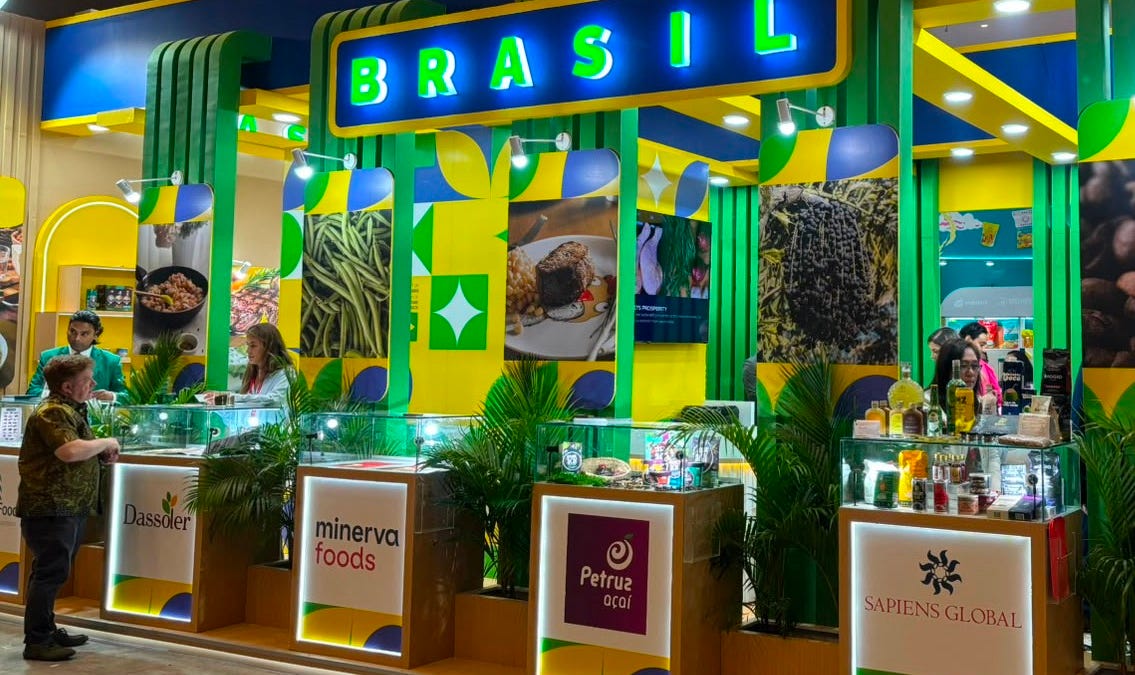
On 21 July 2026, the 20th edition of Food & Hospitality Indonesia (FHI) 2026 was officially held, marking a milestone for three decades of Indonesia’s premier international trade exhibition for the food, beverage, and hospitality industry. The event lasted until 24 July 2026 and was held at Jakarta International Expo (JIEXPO). With the guiding theme “A Thrilling Journey of Excellence That Celebrates the New and Ignites the Future”, the event once again presented a strategic opportunity for Business-to-Business (B2B) ventures.
Key highlights:
-
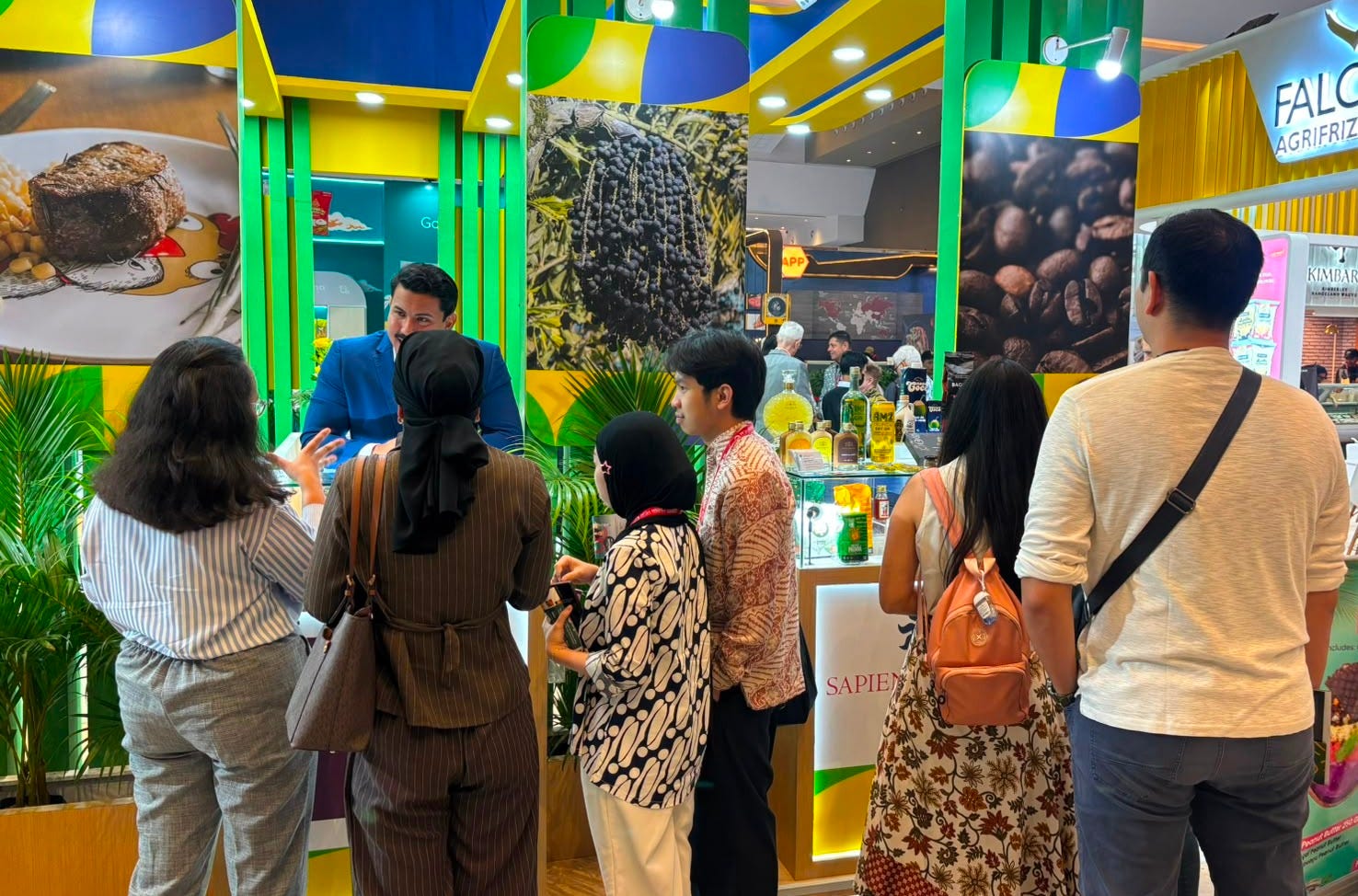
Brazil’s presence was a major feature, with Ambassador George Monteiro Prata and Agricultural Attaché Carlos Turchetto attending the opening ceremony
-
10 Brazilian food industry representatives participated, showcasing nuts, açaí sorbet, coffee, and wine
-
The event signals Brazil’s growing interest in Indonesia and the wider Southeast Asian market
Statements from Carlos Turchetto expanded on Indonesia-Brazil relations, highlighting Brazil’s interest in expanding exports beyond traditional commodities like soybeans, corn, and beef.
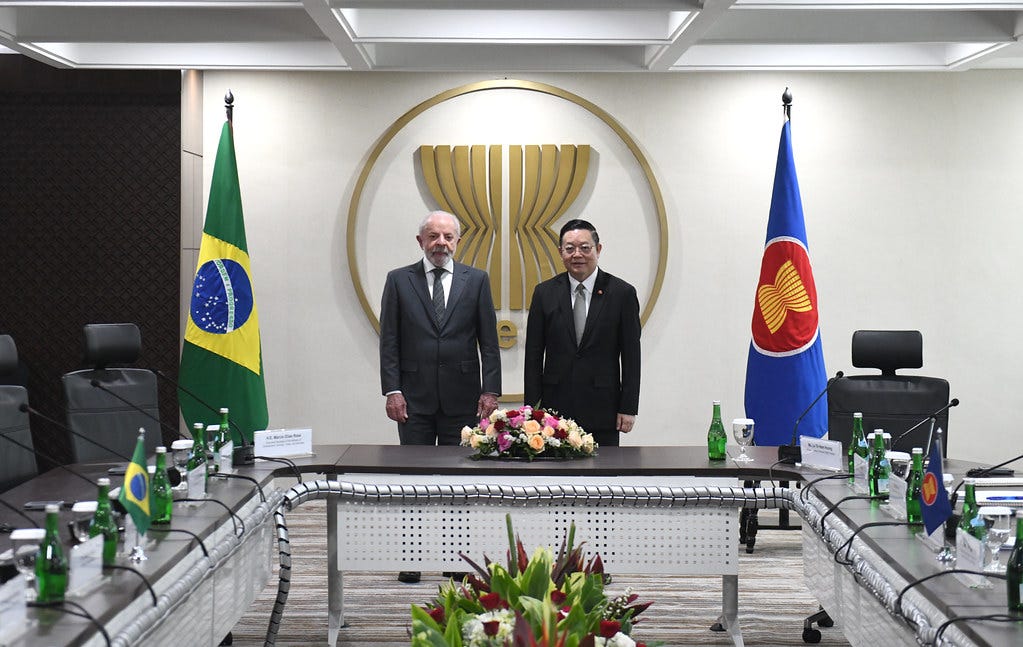
Brazil’s growing engagement with Southeast Asia reflects more than expanding trade—it signals a strategic shift between two regions.
What Brazil brings to the table:
-
Agricultural expertise in tropical farming, precision agriculture, biofuels, and sustainable livestock management
-
Market access to South America via MERCOSUR, a consumer market of over 270 million people
-
Investment potential in Southeast Asia’s rapidly expanding consumer base and manufacturing capacity
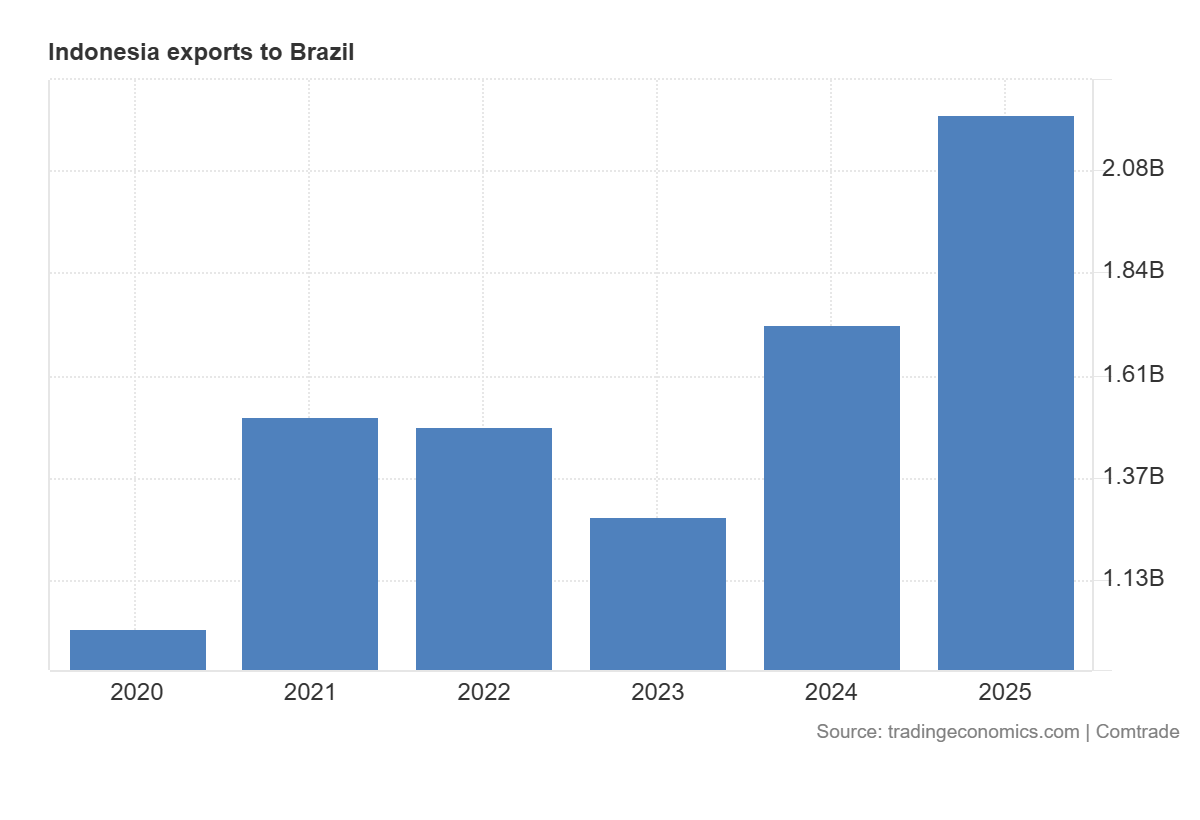
Indonesia’s exports to Brazil have grown substantially over the past five years, climbing from a modest base in 2020 to more than $2 billion in 2025. While the trajectory has not been perfectly linear, this growth pattern suggests Indonesian exporters have found increasingly stable footing in the Brazilian market, particularly in the last two years.
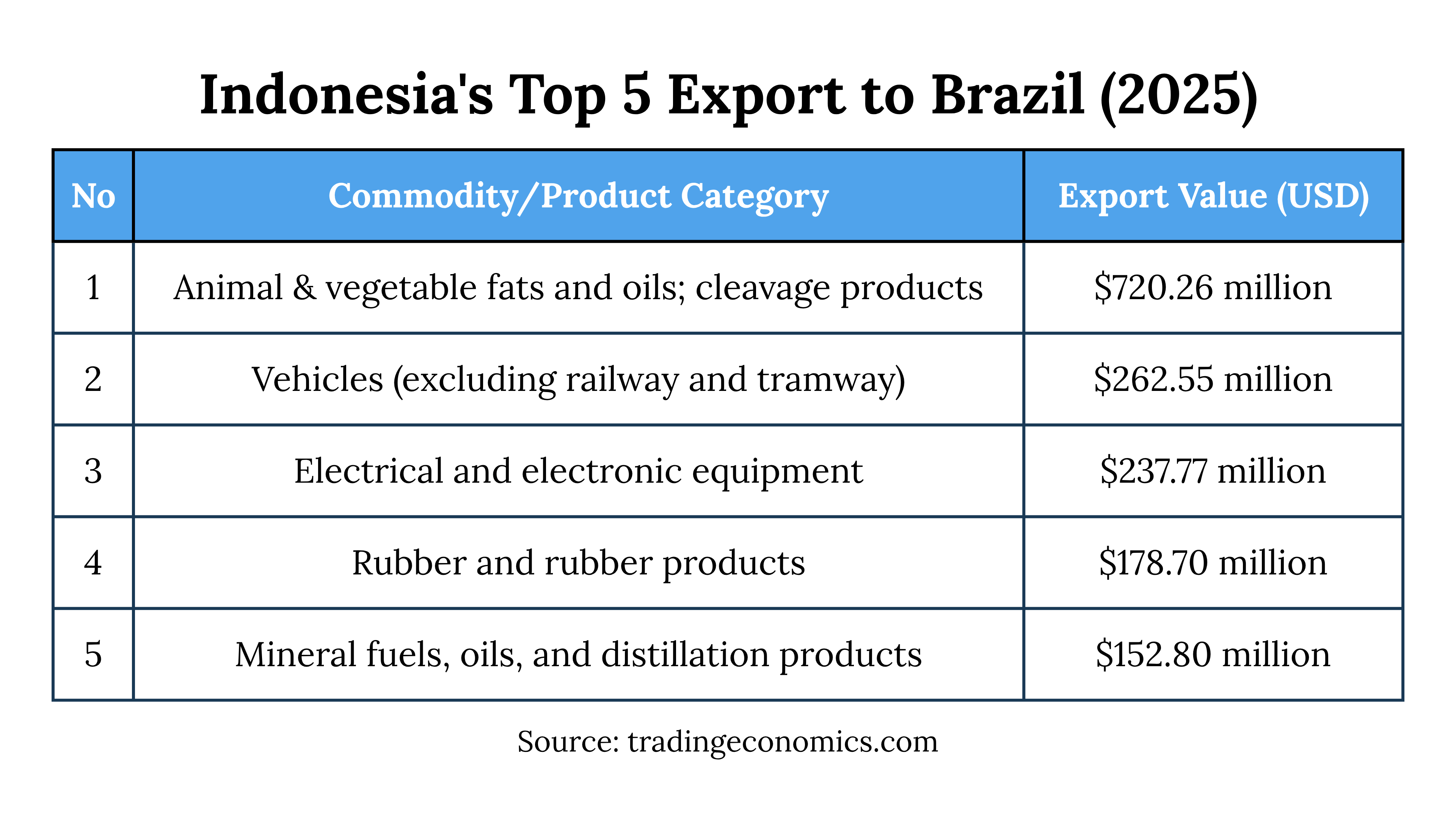
Looking at Indonesia’s top five exports to Brazil in 2025, animal and vegetable fats and oils still sit comfortably at the top, reaffirming agriculture’s role as the backbone of Indonesia’s trade with Brazil. Yet the second and third largest export categories tell a different story: a growing manufacturing and industrial base. This shift suggests Indonesia is no longer relying solely on raw agricultural output but also on processed and manufactured goods—a sign of gradual economic diversification on Indonesia’s side of the partnership.
Meanwhile, Brazil’s exports to Indonesia show steeper, large-scale growth. From roughly $2 billion in 2020, shipments **doubled by 2023, peaked above $4.4 billion in 2024, before easing slightly in 2025 to $4.1 billion**. Even with the pullback, the current trend is more than double what it was just four years earlier, underscoring how central Indonesia has become as a destination for Brazilian goods.
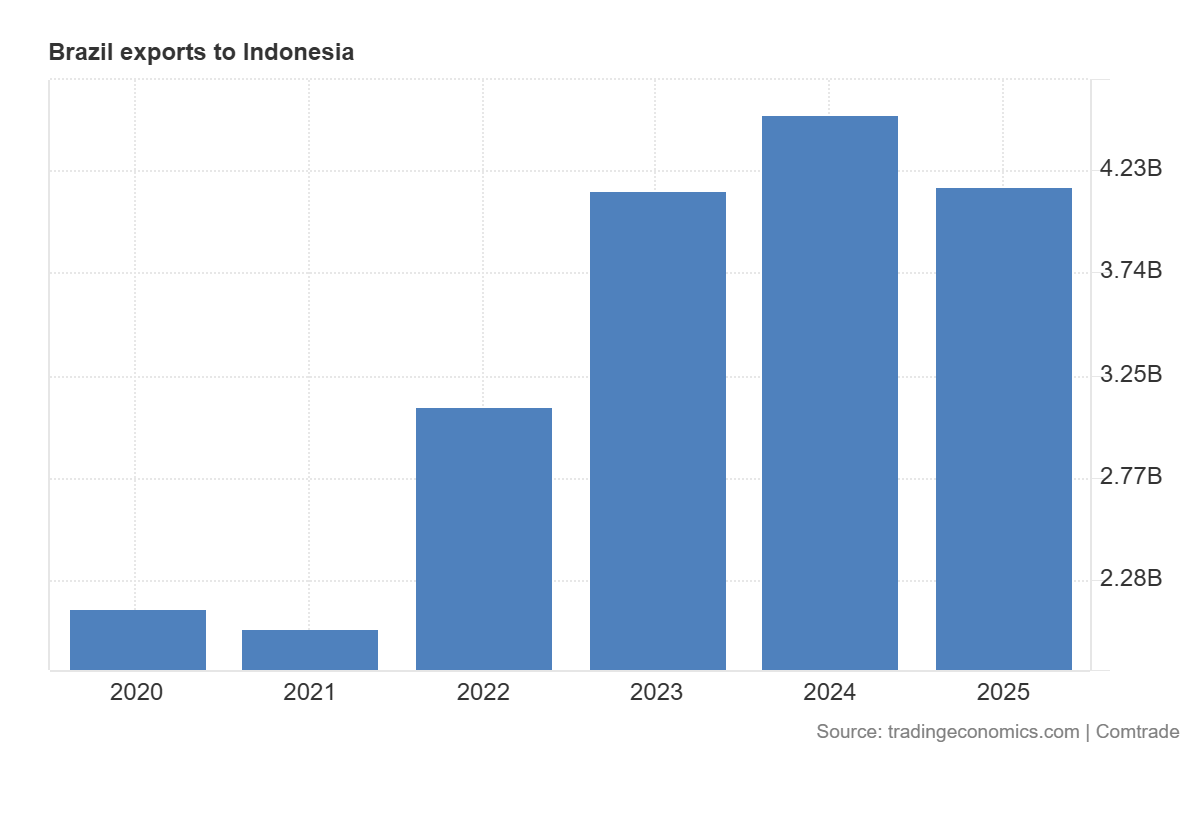
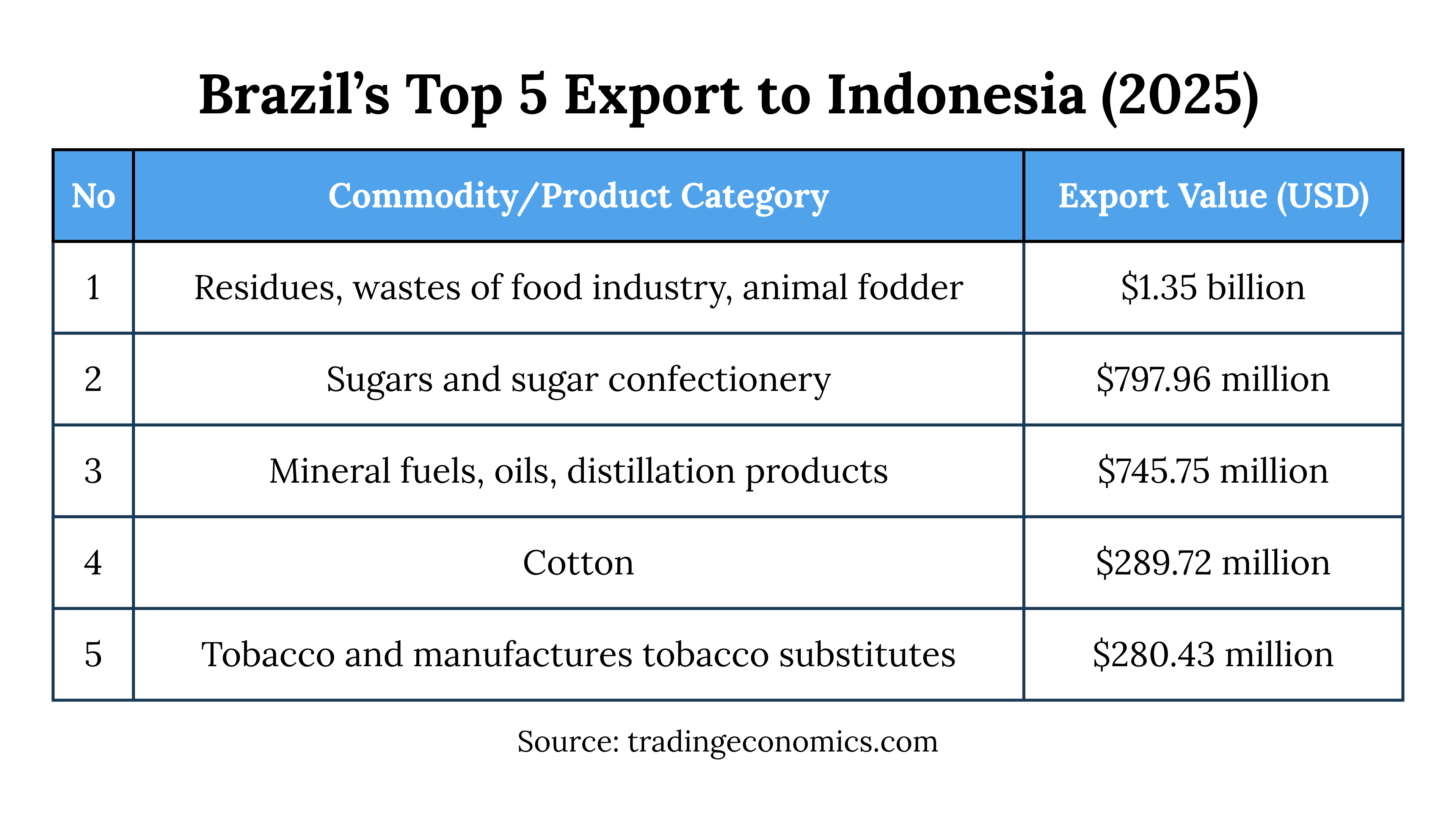
Amid global instability, Brazil has been diversifying its trade partnerships beyond its traditional markets, and Indonesia is emerging as a key partner. Brazil’s 2025 exports to Indonesia already extend past staples like soybeans, corn, and beef, led instead by food industry residues, sugar, and mineral fuels. Carlos Turchetto’s comments on expanding Brazil’s export base reflect this shift, positioning Indonesia as a market Brazil sees as worth deepening ties with.
Brazil has been quietly pivoting to Southeast Asia.
Key milestones:
-
2012: Brazil accedes to the Treaty of Amity and Cooperation (TAC) in Southeast Asia—the first Latin American country to do so
-
2022: ASEAN formally confers Brazil with Sectoral Dialogue Partner status
-
2025: President Lula da Silva attends the 47th ASEAN Summit—the first Brazilian head of state to do so
-
October 2025: Lula visits Indonesia, signing eight MoUs with President Prabowo covering multiple sectors
-
Same month: Brazil signs MoUs with Malaysia, including cooperation on semiconductor technology
For Indonesia, trade relations with Brazil are not merely about increasing the value of exports and imports, but also about national food security.
Key benefits:
-
Brazil is a leading supplier of soya and halal beef, helping meet Indonesia’s domestic needs
-
Strengthens supply chain resilience and supports price stability
-
Opens opportunities to diversify import sources and reduce dependence on specific trading partners
Brazil’s growing focus on ASEAN reflects the region’s large population, rising middle class, and strategic importance as a destination for exporting nations.
Brazil’s participation in Food & Hospitality Indonesia 2026 demonstrates that Indonesia-Brazil relations are beginning to evolve beyond mere traditional commodity trade. Against the backdrop of Indonesia’s growing food needs and Brazil’s efforts to expand its export markets in Southeast Asia, the two countries have complementary interests.
For Indonesia, this cooperation opens up opportunities to secure a more diverse and stable food supply. For Brazil, Indonesia serves as a gateway to the ever-expanding ASEAN market. If this relationship is sustained through investment, technology transfer, and trade diversification, the Indonesia–Brazil partnership has the potential to develop into one of the increasingly strategic cross-regional economic partnerships in the coming years.
ASEAN ASEAN-Brazil Sectoral Dialogue Partnership: Practical Cooperation Areas (2024-2028)
CNBC Indonesia Prabowo Bertemu Lula, Ini 10 Komoditas Ekspor-Impor RI vs Brasil
Food and Hospitality Indonesia Food & Hospitality Indonesia 2026
Jakarta Globe Brazil Offers to Become Indonesia’s Leading Supplier of Soybeans and Meat
The Rio Times Brazil’s Quiet Pivot To Southeast Asia, Why ASEAN Matters to Brazil Now
Trading Economics Brazil Exports
(DEV/DHM/FRD/ELS)