

Brazil considers legal basis for facial recognition use from roads to schools
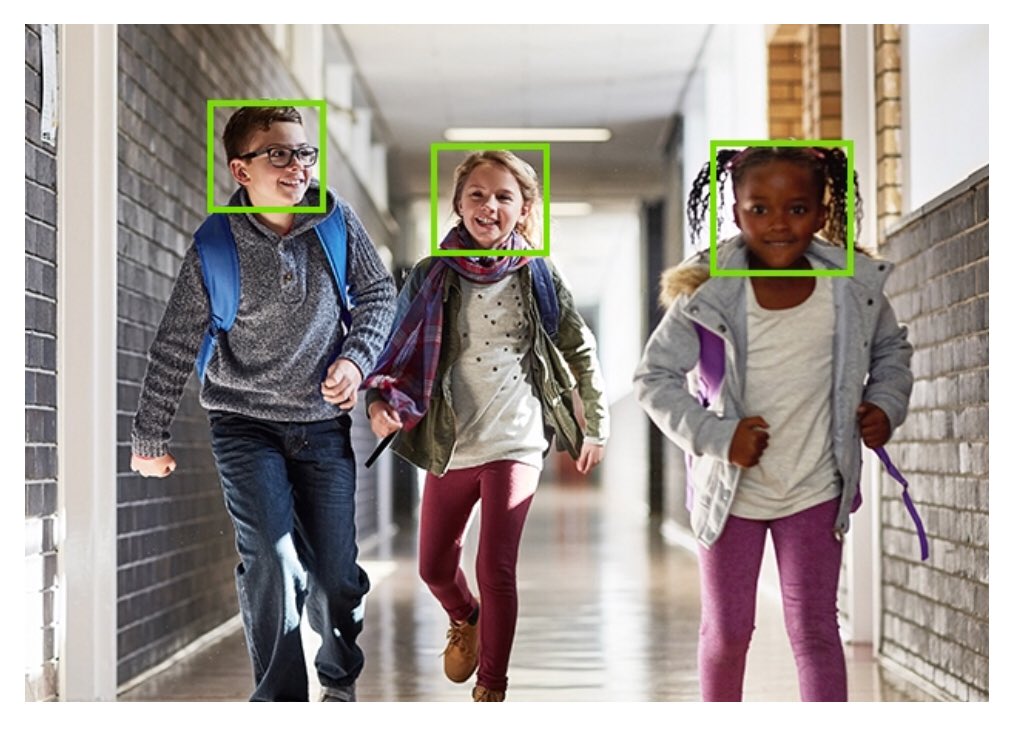
A bill introduced in Brazil’s parliament proposes regulations for the use of facial recognition in the country’s schools, amidst a broad reckoning of the technology’s place in Brazilian society. Ahead of the Bill on schools in the legislative line is a separate proposal to allow facial recognition deployments in public transit and other areas.
Bill 1225-2026 would regulate the use of facial recognition in schools, and explicitly responds to a recent report from Pulitzer Center AI Accountability Fellow Nico Schmidt about biometrics deployments in the schools across the Brazilian state of Paraná.
The text of the Bill blames the situation in part on the “still limited capacity for oversight” of the National Data Protection Authority (ANPD).
“This proposal does not indiscriminately prohibit the use of digital technology in education. On the contrary, it recognizes the legitimate interest in modernizing school management and admits exceptionally permitted uses, provided that rigorous requirements of legal basis, consent, transparency, security, and proven accuracy are met. What is prohibited is irresponsible and unsafeguarded use.” The Bill describes fully automated attendance-taking without a human review mechanism, lack of consent from guardians, inaccurate or unaudited systems and automated links to social benefits accounts as examples of such irresponsible use of facial recognition in schools.
Existing systems would have six months to comply.
Regulation and revelation
The article from the Politzer Center titled “Automated Gaze” describes the activities of Europe-based biometrics providers like Idemia, Herta Security and Innovatrics in Latin America.
Countries like Colombia, Uruguay, Chile and Brazil have “weak regulatory frameworks” compared with the EU’s AI Act, which prohibits some of the same applications in Europe, including in schools for attendance tracking.
The Pulitzer Center refers to the use of biometrics from Idemia in Colombia’s National Civil Registry, prior to IN Groupe’s acquisition of Idemia Smart Identity last year. Police use the biometric database to monitor public spaces, which is also disallowed under the AI Act except in special circumstances. Governments in Colombia and Uruguay have deployed Herta’s facial recognition for police to monitor public spaces and video security at sports stadiums, respectively. Brazil uses biometric algorithms from Innovatrics in its Bolsa Familia social benefits program.
Congresswoman Ana Paula Lima, who sponsored the school facial recognition bill, says that “In recent years, Brazil has witnessed the rapid spread of facial recognition systems in elementary and secondary school settings, without any specific regulations on the matter.”
There are more than 1,700 schools in Paraná using facial recognition, according to the U.S.-based Pulitzer Center.
Roads and buses on the way to schools
Another bill to establish legal foundations and regulations for facial recognition, meanwhile, is much closer to becoming law.
The Chamber of Deputies (lower house) has placed Bill 1828/2023 on its agenda for the current plenaries, Dourados News reports. The Bill would provide a legal basis for facial recognition deployments throughout the country’s public transit system, including inside vehicles, as well as an roads and in public buildings.
The Bill’s rapporteur, Isnaldo Bulhões Jr., has introduced substitutions to the Bill that add “racial neutrality” and accuracy requirements, as well data protection measures, prohibit mass surveillance and require human involvement in decisions like arrests, dpl news reports.
The Bill was referred to Chamber Committees on July 11, and its future form and passage into law remain uncertain.
Article Topics
biometrics | Brazil | facial recognition | legislation | regulation | schools