

Billionaire Rabiu’s BUA Foods posts $330m nine-month profit
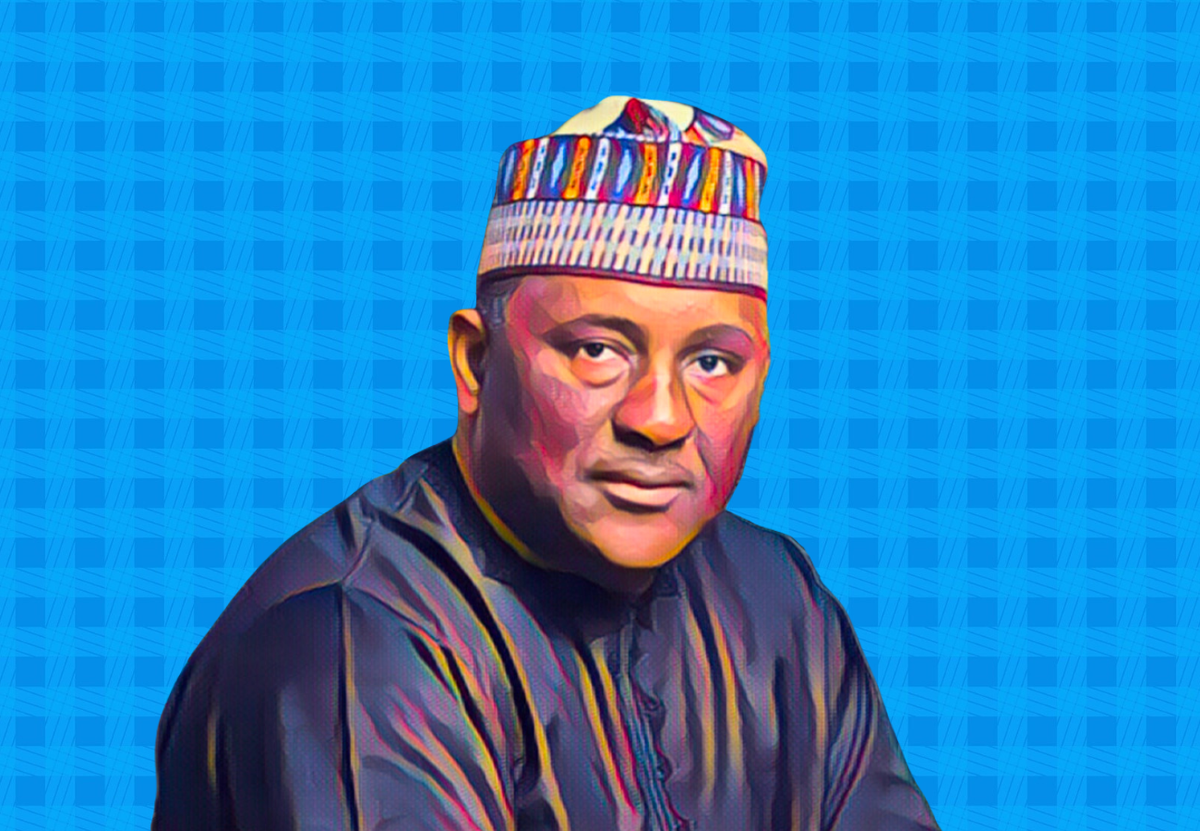
BUA Foods Plc, the Nigerian sugar, flour and pasta maker controlled by billionaire Abdul Samad Rabiu, raised its profit by 11% in the first nine months of 2026 as sharply lower production costs more than made up for a drop in sales.
Profit after tax rose to ₦450.5 billion ($330 million) in the nine months to Sept. 30, from ₦405.3 billion a year earlier, according to unaudited results released on Friday. Profit before tax increased 11% to ₦480.5 billion ($352 million), and earnings per share climbed to 25.03 naira from 22.52 naira.
Revenue declined 19% to ₦1.15 trillion ($839 million) from ₦1.42 trillion. Cost of sales fell faster, dropping 34% to ₦592.9 billion, which lifted gross profit 6% to ₦552.9 billion ($405 million) and widened the gross margin to 48.3% from 36.7%.
Ayodele Abioye, BUA Foods’ managing director, said the lower revenue was “driven by softer pricing conditions and subdued consumer demand.” He credited the profit growth to cost control and productivity gains, adding that the company “remain[s] focused on driving profitable growth.”
Costs cut across the business
Spending below the gross profit line also came down. Selling and distribution expenses fell 15% to ₦45 billion, and administrative expenses dropped 28% to ₦22 billion, bringing total operating expenses down 20% to ₦67 billion ($49 million). Other income rose to ₦6.6 billion from ₦587.4 million.
Operating profit grew 13% to ₦492.5 billion ($361 million), lifting the operating margin to 43% from 31%. Net finance costs more than doubled to ₦12 billion, and the tax charge rose 10% to ₦30.1 billion. Return on equity reached 68%, up from 57%.
Profit has risen in each quarter of the year. BUA Foods earned about ₦142.5 billion in the first quarter and ₦149.8 billion in the second, before booking about ₦158.2 billion ($116 million) in the three months to September on revenue of roughly ₦380.7 billion. The third-quarter gross margin was close to 50%.
The company’s shareholders’ equity stood at ₦659.9 billion ($483 million) at the end of September, down from just over ₦1 trillion in June, after BUA Foods paid the record ₦504 billion final dividend for 2025 that shareholders approved in July. The payout of ₦28 a share was more than double the ₦13 paid for 2024, and Rabiu’s direct holding alone received about ₦228.8 billion ($168 million). Total assets were ₦1.36 trillion ($998 million).
Expanding into noodles and oil
Rabiu told shareholders in July that BUA Foods would become the largest company in its sector in Nigeria once its current projects are completed next year. The company is adding wheat milling capacity, finishing its edible oil business and entering the noodles market, alongside its existing sugar, flour, pasta and rice lines.
BUA Foods listed on the Nigerian Exchange in January 2022 after Rabiu merged his sugar, flour, pasta, rice and edible oil businesses into a single company. It is now one of the most valuable stocks in Lagos.
The results follow those of BUA Cement Plc, Rabiu’s other listed company, which raised its nine-month profit by 60% to ₦463.1 billion ($339 million) on Thursday.
Rabiu’s stake
Rabiu, 66, is the founder and chairman of BUA Group, a conglomerate with interests in cement, food, ports and real estate. He owns 8.17 billion BUA Foods shares directly, or 45.4% of the company. BUA Industries Ltd., part of his BUA Group, holds another 47.22%, and smaller holdings through other BUA entities bring the total he controls to about 92.63%.
BUA Foods shares last traded at ₦760.60, giving the company a market value of about ₦13.69 trillion ($10 billion). At that price, Rabiu’s direct stake is worth ₦6.22 trillion ($4.55 billion), and the full 92.63% he controls is worth about ₦12.68 trillion ($9.29 billion).
Figures were converted at ₦1,365 to the dollar.
Crédito: Link de origem