

Billionaire Johann Rupert’s Heineken venture reviews wines
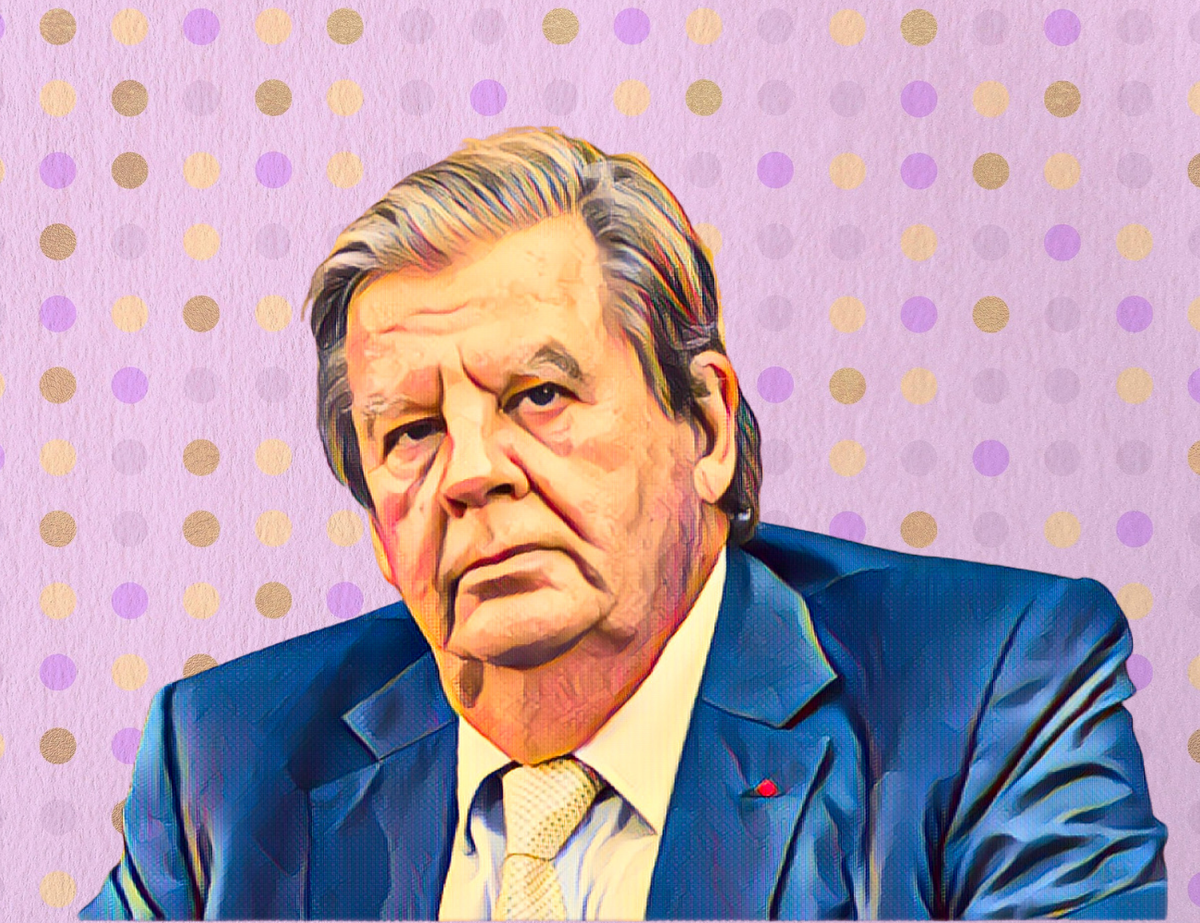
Heineken NV has put the South African wine business it bought from a group that included South African billionaire Johann Rupert’s Remgro Ltd. under strategic review, three years after closing the €2.2 billion ($2.4 billion) takeover of Distell Group Holdings.
All of the wine brands are part of the review, including Nederburg, one of the country’s best-known labels, and the sparkling wine maker JC Le Roux. The brands sit inside Heineken Beverages, the unlisted company Heineken formed in 2023 by merging Distell and Namibia Breweries with its own South African operations. Remgro, the investment group Rupert chairs, owns 18.8% of it.
“We are not making rash decisions on what to do, but we do have it under strategic review,” Heineken Chief Financial Officer Harold van den Broek said on Wednesday as the Dutch brewer reported third-quarter trading. He said how the company will compete in certain wine segments “is an active discussion with our South Africa business.”
Heineken did not say what options it is weighing or whether a sale is one of them, and it has not named advisers.
Wine lags beer
The review comes as Heineken’s South African beer and ready-to-drink volumes grew by double digits in the third quarter while wine stayed under pressure. “We are really working very hard to bring volumes back into our business in South Africa,” van den Broek said.
The business has struggled since the deal closed in April 2023. Heineken booked a €491 million impairment on it less than a year later, after integration problems and lost market share against rivals including Anheuser-Busch InBev SA and Diageo Plc. Dolf van den Brink, Heineken’s former chief executive, later said the company had “dropped the ball on a couple of commercial elements.”
Heineken Beverages has spent the past year putting money back into its main wine labels. It revamped Nederburg’s packaging and its brand home in Paarl and said last year that Durbanville Hills, another of its wines, would get similar treatment.
Group volumes beat expectations in the third quarter on beer demand in Asia and a recovery in the Americas, and Heineken shares rose as much as 2.2% in Amsterdam. Rafael Oliveira, who joined from outside the company as chief executive, said Heineken “has strong foundations but we are not translating them into consistent growth” and promised more detail on his plans with full-year results.
Remgro’s stake
Remgro, Rupert’s Stellenbosch-based investment group, was one of Distell’s biggest shareholders before the takeover. It came out of the deal with 15.5% of Heineken Beverages and raised that to 18.8% in July 2023, paying R165 a share in a series of off-market purchases that cost it about R926 million.
Remgro valued the stake at R7.15 billion ($431 million) at the end of June, up from R6.74 billion a year earlier, according to its annual results. It carried the investment on its books at R6.62 billion ($399 million). Heineken Beverages added R111 million ($6.7 million) to Remgro’s headline earnings in the year to June, compared with a loss of R50 million the year before. Remgro said wines and spirits had softer trading in the period, and revenue at Heineken Beverages fell by a low single-digit percentage in the six months to June, mainly because of lower exports.
The Distell takeover came with a long list of conditions from South Africa’s Competition Tribunal. Heineken agreed to invest more than R10 billion ($602 million) over five years to maintain and expand production, transfer more than R3 billion of equity to workers, set up a R400 million supplier development fund and limit job cuts at the combined business to 166.
Rupert, 76, is one of South Africa’s richest people. He chairs both Remgro and Cie. Financière Richemont SA, the Swiss luxury group behind Cartier and Van Cleef & Arpels. His family controls Remgro through unlisted B shares that carry 43% of the group’s votes, and he is set to collect about $32.8 million in Remgro dividends this year.
Besides Heineken Beverages, Remgro owns 33.6% of Capevin, the former Distell unit that was spun off as part of the Heineken deal. Capevin handled international sales of Nederburg for Heineken Beverages until those rights were handed back to the brewer.
Crédito: Link de origem