

Billionaire Aliko Dangote in talks to supply Botswana fuel
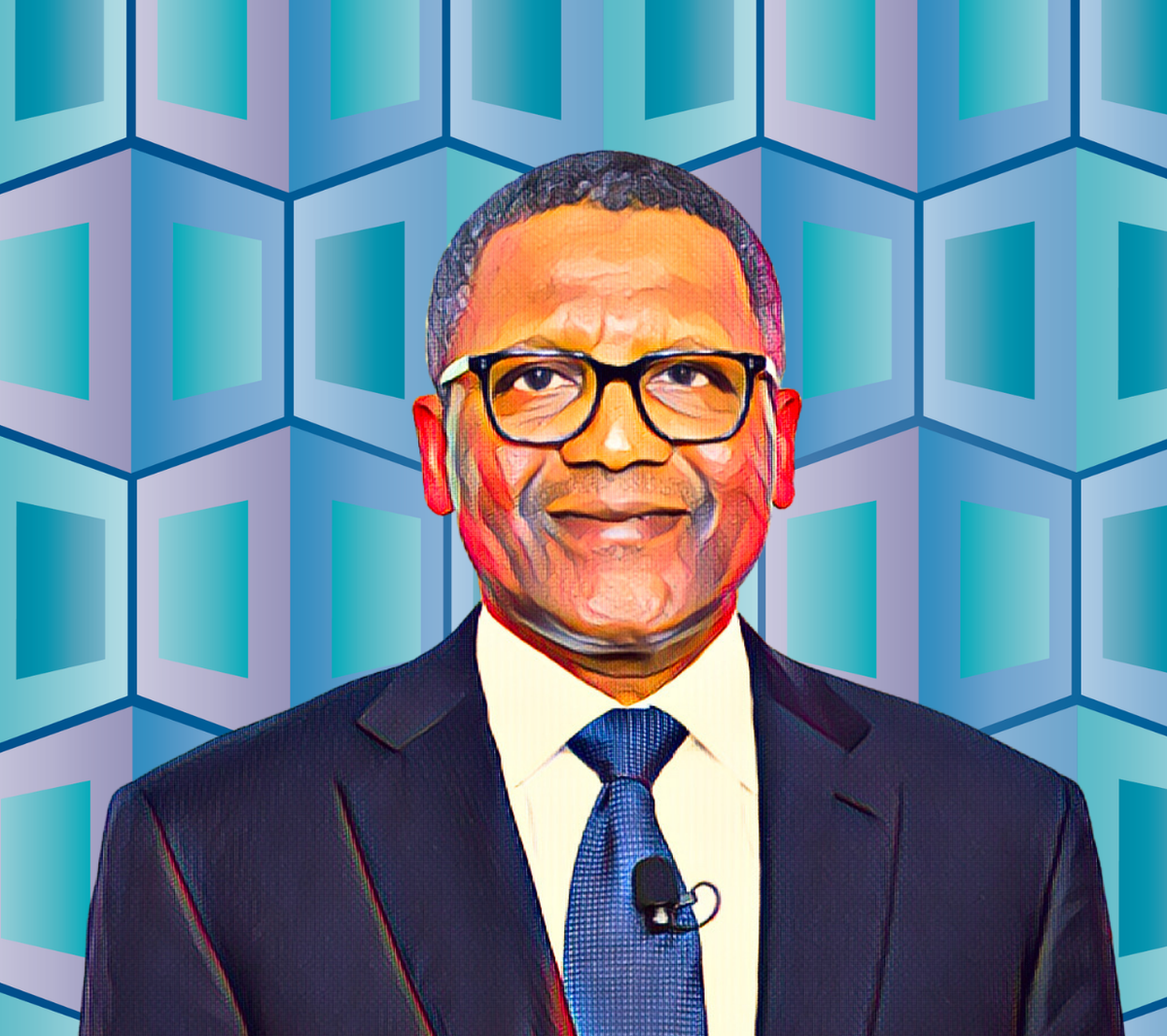
Nigerian billionaire Aliko Dangote is in talks to supply fuel to Botswana, as the landlocked southern African nation looks for new sources after a spike in oil prices this year exposed how thin its reserves are.
Bogolo Kenewendo, Botswana’s minister of minerals and energy, said in an interview in Gaborone that the government has engaged Dangote, along with Angola and Ivory Coast, as it tries to widen the list of countries that sell it petrol and diesel. She said Botswana wants to make sure it never faces fuel insecurity or shortages. No volumes or prices were disclosed.
Botswana has no proven crude reserves and no refinery, and buys all of its refined fuel abroad, about 1.3 billion liters a year. Most of it comes through South Africa. The government is now setting up routes through Mozambique and Namibia, which need coastal storage at both ends, and is looking at a pipeline Dangote has proposed from a terminal at Namibia’s port of Walvis Bay.
Oman ships first cargo
The Dangote talks sit alongside an existing deal with Oman. OQ Trading, the trading arm of Oman’s state energy group OQ, delivered about 20 million liters of diesel to Botswana Oil Ltd., the state fuel company, at Mozambique’s Port of Matola on Oct. 9. It was the first cargo under agreements the two sides signed in November 2025 and expanded in April, when Botswana President Duma Boko visited Muscat. Botswana has also opened talks on taking a stake of up to 30% in an Angolan refinery and on buying fuel directly from Angola’s state oil company, Sonangol.
The push follows a scare in March, when the war involving Iran threatened tanker traffic through the Strait of Hormuz. Brent crude peaked at $119.50 a barrel on March 9, and diesel prices nearly doubled. The government said on March 26 that strategic stocks covered about 10.5 days of demand, with commercial stocks holding another 24 days, and that the National Petroleum Fund could no longer cushion pump prices. It plans to raise state storage to 152.5 million liters, or about 46 days, and eventually to 102 days once a large depot at Tshele Hills is built.
Dangote’s southern route
Dangote has made southern Africa a central part of plans to sell fuel from his refinery near Lagos, which processes about 700,000 barrels of crude a day and is the largest single-train plant of its kind in the world. Dangote Industries Namibia is seeking approval for a terminal at Walvis Bay that would hold about 1.6 million barrels of petrol and diesel for Namibia, Botswana, Zambia, Zimbabwe and southern Congo. It held its first public consultation on Sept. 23, and the project still needs a full environmental assessment before construction can start.
In September, Dangote said the group would launch a pipeline of about 2,650 kilometers starting in Namibia, with one line running through Botswana into South Africa and another through Zimbabwe and Zambia to Congo. He has said the sea trip from Lagos to Namibia takes about four days.
The refinery already ships fuel across Africa. In March, 12 cargoes carrying 456,000 tonnes of refined products left for Ivory Coast, Cameroon, Tanzania, Ghana and Togo. In East Africa, the Dangote group has bought a 24.76% stake in Kenya Pipeline Co. for about $327 million and is building a supply route from Djibouti to Ethiopia’s capital, Addis Ababa. The fuel network is part of about $50 billion of investment the group plans between 2026 and 2030.
Ties through the share sale
Botswana has also become a gateway for Dangote’s capital raising. The Botswana Stock Exchange was chosen as the single venue for investors across southern Africa in the refinery’s initial public offering, which closed on Oct. 27, through depositary receipts issued by Access Bank Botswana. The refinery aimed to raise about $500 million there, mainly from the country’s pension funds. Dangote was in Botswana on Oct. 14 to promote the offer.
The refinery sold 4.1 billion new shares at ₦525 each to raise about ₦2.15 trillion ($1.58 billion), and drew about three times the orders it sought from Nigerian investors alone. Dangote, Africa’s richest person, owns about 87% of the company.
Crédito: Link de origem