

Bell Starts Building Nigeria’s AH-1Z Vipers
In a hangar in Amarillo, Texas, on 16 September 2026, a delegation from Nigeria signed their names on a metal beam.
The beam is the spine of the first AH-1Z Viper attack helicopter being built for the Nigerian Air Force. There will be twelve, and the last of them is due out of the door in early 2029. It is the kind of ceremony that looks like corporate theatre and is actually the visible end of a decade of argument about whether the United States would sell Nigeria this aircraft at all.
Informations clés
Aéronef: Bell AH-1Z Viper attack helicopter
Quantity: 12, for the Nigerian Air Force
Construit à : Bell’s Amarillo Assembly Center, Texas
Contracter: Reported at about $455 million, awarded to Bell in March 2024
Itinéraire: Foreign Military Sales, approved in 2024; a possible sale was cleared by the State Department in 2022
Production complete: Projected early 2029
Also included: Engineering, programme management and logistics support
What Nigeria is buying
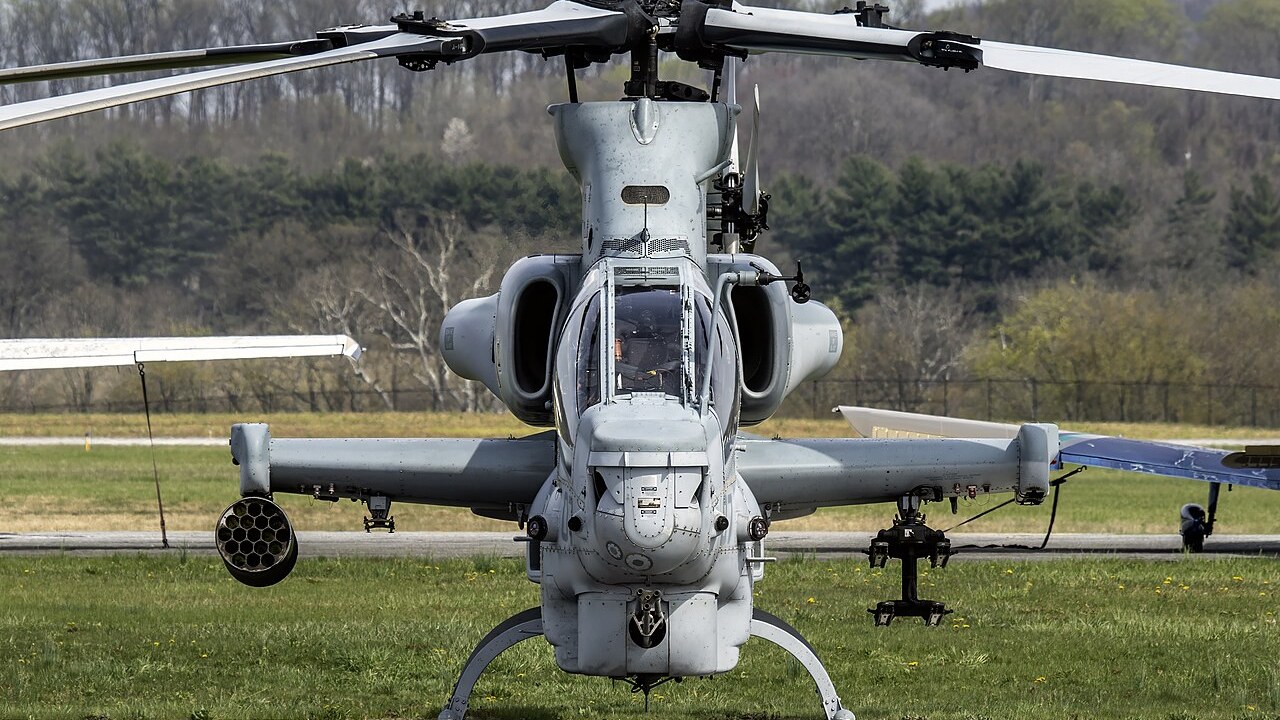
The AH-1Z is the current end of a very long line. It descends from the AH-1 Cobra, the first dedicated attack helicopter to enter service, and shares a large share of its major components with the UH-1Y Venom utility aircraft — a commonality deliberately engineered so that one squadron can support two types from the same spares bin.
For an air force that operates far from any depot, that logistical frugality matters more than headline performance. The Viper is designed to work from forward sites with a small footprint, which is a description of most of Nigeria’s operating problem.
Bell was direct about the sentiment, if not the strategy.
Scott Sims — H-1 programme director, Bell, 16 September 2026
A US Marine Corps AH-1Z firing an AGM-114 Hellfire and the newer AGM-179 Joint Air-to-Ground Missile. Nigeria’s aircraft do not exist yet; this is the type.
Why Abuja wants them
The Nigerian Air Force was unambiguous about the mission, and it is not a conventional one.
Air Commodore Ehimen Ejodame — Nigerian Air Force spokesperson, 16 September 2026
Nigeria has been fighting insurgencies in its north-east for well over a decade, alongside a separate and worsening problem of armed banditry and mass kidnapping across the north-west. Both are the kind of conflict where a fast, well-sensored helicopter that can loiter and shoot precisely is worth considerably more than a fast jet.
Which is the same argument that got Nigeria its Super Tucanos.
The decade of argument
This sale took a long time, and the reason is not industrial.
American arms transfers to Nigeria have been contested for years on human-rights grounds, with successive debates in Washington about whether Nigerian forces could be relied on to use precision weapons precisely. The twelve A-29 Super Tucanos delivered earlier this decade were the first major break in that pattern. The Viper is the second.
The State Department cleared a possible AH-1Z-related sale in 2022, with a headline figure close to a billion dollars covering aircraft, weapons, training and support. The contract that actually followed — reported at around $455 million for the twelve airframes — landed with Bell in March 2024, and the Foreign Military Sales case was approved that year.
Reporting on the package indicates it carries funding for training the Nigerian armed forces in targeting processes compliant with international humanitarian law. That detail is worth noting precisely because it is the condition the whole argument turned on: the objection was never that Nigeria wanted attack helicopters, but what would be done with them.
Three years is a long time
Production complete in early 2029 means the first Nigerian crews are some way from flying operationally, and the security situation they are buying these for will not have waited. That gap is normal for Foreign Military Sales and it is one of the standing frustrations of the mechanism.
What did happen this week is smaller and more concrete than a strategy. A group of Nigerian officers stood on a production floor in Texas, looked at a partially built helicopter, and wrote their names on it.
Sources: Bell Textron; Seapower Magazine; FlightGlobal; The Defense Post; US Defense Security Cooperation Agency; aeroTELEGRAPH.
Foire aux questions
How many AH-1Z Vipers is Nigeria buying?
Twelve. Bell Textron was contracted to manufacture and deliver 12 AH-1Z Viper attack helicopters to Nigeria from its Amarillo Assembly Center in Texas, along with engineering, programme management and logistics support. Production is projected to be complete in early 2029.
When did Bell start building Nigeria’s AH-1Z helicopters?
Production formally began in September 2026. Bell hosted a Nigerian delegation at Amarillo on 16 September 2026, where the delegates toured the production line and ceremonially signed the frame of the first aircraft destined for the Nigerian Air Force.
How much is the Nigerian AH-1Z deal worth?
The manufacturing contract awarded to Bell in March 2024 has been reported at about $455 million for the twelve aircraft. A broader possible sale cleared by the State Department in 2022, covering aircraft, weapons, training and support, carried a headline figure close to one billion dollars.
What will Nigeria use the AH-1Z for?
The Nigerian Air Force says the Viper will strengthen its counterterrorism and counterinsurgency operations. Nigeria has faced a long-running insurgency in the north-east and a separate problem of armed banditry and mass kidnapping in the north-west, both suited to precise rotary-wing firepower.
What is the AH-1Z Viper?
Bell’s current attack helicopter, descended from the AH-1 Cobra. It carries a chin-mounted cannon, guided and unguided weapons across six stations, and shares a large proportion of its major components with the UH-1Y Venom, which simplifies spares and maintenance for operators of both.
Why did the Nigeria helicopter sale take so long?
US arms transfers to Nigeria have been debated for years on human-rights grounds. Reporting indicates the package includes funding to train Nigerian forces in targeting processes compliant with international humanitarian law, which reflects the condition the political argument centred on.
What other American combat aircraft does Nigeria operate?
Nigeria received twelve A-29 Super Tucano light attack aircraft from the United States earlier this decade. Those were the previous major American combat aircraft sale to the country and were acquired for a broadly similar counterinsurgency mission set.
Can civilians fly in a military aircraft?
Credit: Source link