

Atrocity Alert No. 482: Democratic Republic of the Congo, Mali and Ukraine
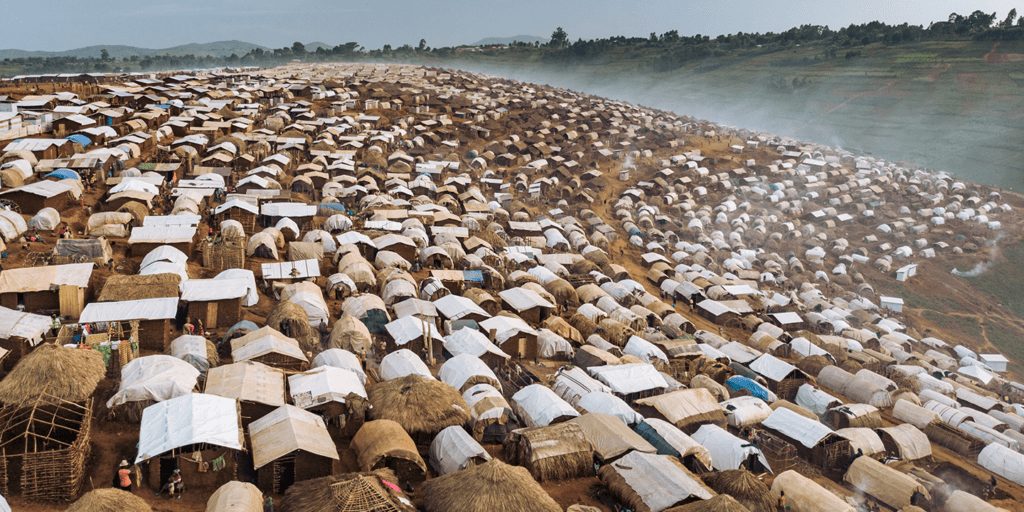
SERIES OF ATTACKS ACROSS EASTERN DR CONGO KILL DOZENS OF CIVILIANS
In recent days, attacks across the eastern Democratic Republic of the Congo (DRC) have killed dozens of civilians, including in Irumu, Djugu and Mambasa territories in Ituri Province. On 28 April armed men affiliated with the Cooperative for the Development of the Congo (CODECO), a loose coalition of militias claiming to protect the Lendu community, attacked several villages near Pimbo in Djugu territory, killing at least 69 people, the majority of whom were civilians. Local sources indicated that the death toll may exceed 70 because insecurity delayed the recovery of bodies for several days.
Earlier that day the Convention for the Popular Revolution (CRP), an armed group that claims to defend the Hema community, reportedly attacked the regimental headquarters of the DRC military (FARDC) in Pimbo, causing significant damage. Clashes also erupted between CRP and CODECO fighters in Djugu territory. Amid the escalation, the UN peacekeeping mission (MONUSCO) deployed patrols and evacuated 191 civilians caught in the crossfire near its bases in Fataki and Gina.
MONUSCO warned that “these incidents once again highlight the persistent threat posed by the ongoing conflict to civilian populations in eastern DRC.” For more than three decades, eastern DRC has experienced recurring cycles of armed conflict driven by competition over land and natural resources, weak state control and the proliferation of armed groups in mineral-rich areas. In Ituri province, long-standing tensions between Hema and Lendu communities have repeatedly fueled violence and have often been exacerbated by these broader dynamics. The UN Joint Human Rights Office in the DRC has warned that current conflict dynamics could lead to a further increase in ethnic tensions and conflict over natural resources.
CODECO fighters have repeatedly targeted civilians, particularly Hema communities, through killings, abductions, sexual violence and the destruction of civilian property. The group has also been implicated in attacks on displacement sites, humanitarian workers and peacekeepers. The UN has previously warned that CODECO’s conduct may amount to crimes against humanity in the context of inter-communal violence between Lendu and Hema communities.
The CRP emerged in early 2025 and routinely clashes with both the FARDC and CODECO, while also posing significant risks to civilians in Ituri. Security conditions in the province have deteriorated sharply since late 2025 amid fighting between the CRP and the FARDC.
All armed groups must immediately cease attacks against civilians, comply fully with international humanitarian and human rights law and take all necessary precautions to avoid civilian casualties and damage to civilian infrastructure. The Congolese authorities should urgently investigate violations and abuses committed by armed groups and ensure that those responsible are held accountable.
CIVILIANS FACE INCREASING RISKS AMID ESCALATING VIOLENCE AND REPRESSION IN MALI
Since launching a series of coordinated attacks in late April, Jama’at Nusrat al-Islam wal-Muslimin (JNIM) has continued to perpetrate deadly attacks on villages in central Mali. On 6 May JNIM attacked Korikori and Gomossogou, reportedly in retaliation against the ethnic self-defense militia Dan Na Ambassagou. Further attacks on nearby villages on 8 May reportedly brought the death toll to between 70 and 80 people in less than a week, while several villagers remain missing.
The al-Qaeda affiliated JNIM and the Tuareg separatist Azawad Liberation Front (FLA) first launched their attacks on 25 April. Over the past three weeks the attacks and subsequent clashes with the Malian armed forces have had devastating consequences for civilians. Armed groups have planted improvised explosive devices and destroyed schools, health facilities and communication infrastructure in numerous regions. The UN Office for the Coordination of Humanitarian Affairs reported on 12 May that protection concerns remain high in Gao, Kidal, Ménaka and Timbuktu, where physical and sexual violence by armed groups has been documented. Medical facilities are struggling to cope with the influx of wounded civilians.
The violence has been accompanied by an intensifying crackdown by the military junta. On 1 May the military court in Bamako announced an investigation into individuals suspected of supporting the 25 April attacks. Since then, the Office of the UN High Commissioner for Human Rights has reported serious violations by alleged government agents, including extrajudicial killings and abductions. Several individuals have been abducted by unidentified men, with their whereabouts and any charges against them still unknown. Those abducted include lawyer and politician Mountaga Tall, who was reportedly taken from his home, and three relatives of exiled politician Oumar Mariko. Amnesty International stated these cases follow a broader pattern of enforced disappearances and abductions allegedly carried out by agents of the National Agency for State Security.
Reports indicate increasing ethnic profiling and targeting of Fulani and Tuareg communities purportedly linked to counterinsurgency operations in the aftermath of the 25 April attacks. According to Le Monde, these communities have faced growing abuses and disappearances since then, with Fulani communities often collectively associated with JNIM and Tuareg communities linked to the FLA.
Meanwhile, insecurity along major transport routes and a renewed blockade by JNIM on Bamako – enforced through checkpoints, threats and attacks – are further worsening humanitarian conditions. On 3 May the mayor of Diafarabe, Mopti region, warned that residents could begin dying of hunger within 48 hours because the village had run out of food.
All parties to the conflict must comply with international humanitarian and human rights law, including by protecting civilians and civilian infrastructure and ensuring unhindered humanitarian access. The Malian authorities must end restrictions on civic space and halt reprisals against perceived critics. Investigations into the 25 April attacks and related incidents must be transparent, independent and consistent with international human rights standards. Any arrests or detentions must respect due process guarantees and be carried out without discrimination.
UN REPORTS AT LEAST 70 CIVILIANS KILLED IN 6 DAYS ALONE IN UKRAINE
On 6 May the UN Human Rights Monitoring Mission in Ukraine (HRMMU) reported a sharp increase in the targeting of civilians in Ukraine by Russian forces, with at least 70 civilians killed and more than 500 injured during the first six days of the month. The HRMMU documented 28 people killed and 194 injured on 5 May alone during a wave of large-scale attacks, including in Poltava and Kherson regions. Some of the attacks involved “double tap” tactics, in which a previously bombed location was struck again while emergency and humanitarian workers were responding. The escalation came amid renewed discussions over temporary ceasefires, including a ceasefire from 9 to 11 May, which was fraught by allegations of breaches from both sides.
The civilian casualty figures build on a broader trend in attacks over the past 18 months. The UN found that 2025 was the deadliest year for civilians since the start of Russia’s full-scale invasion in February 2022, with civilian casualties increasing dramatically compared with previous years.
Millions of people remain displaced and dependent on humanitarian assistance, while repeated attacks on civilian infrastructure continue to severely disrupt access to electricity, water and medical care. On 8 May the World Health Organization (WHO) announced it had verified more than 3,000 attacks on healthcare facilities, personnel and transport since February 2022 – the highest number recorded by the WHO in any humanitarian emergency globally. Deliberate or indiscriminate attacks against civilians, civilian infrastructure, healthcare facilities and humanitarian personnel are prohibited under international law and may amount to war crimes.
Efforts to hold Russia accountable for its abuses in Ukraine remain ongoing. On 11 May the European Union (EU) imposed sanctions on 16 individuals and seven entities linked to the deportation, forced assimilation and indoctrination of Ukrainian children transferred to Russia and Belarus. The Human Rights Council-mandated Commission of Inquiry on Ukraine previously found that the deportation and unlawful transfer of Ukrainian children may amount to war crimes and crimes against humanity. According to Ukrainian authorities, more than 20,000 children have been unlawfully transferred since the start of the invasion. The EU has levied sanctions on 130 people and entities related to these actions.
The Global Centre for the Responsibility to Protect’s Executive Director, Savita Pawnday, said, “As Ukrainian civilians continue to endure the relentless threat of bombardment, the international community must intensify diplomatic efforts to secure an immediate, sustained and credible cessation of hostilities to end ongoing attacks. Any future peace process must place justice, accountability and the protection of civilians at its core – priorities that remain seemingly absent from current negotiations.” States must do far more to curb escalating violence, uphold International Humanitarian Law and ensure those responsible for atrocity crimes are held accountable.
Credit: Source link