

Arthur Eze’s Atlas Oranto loses oil licenses in 4 countries
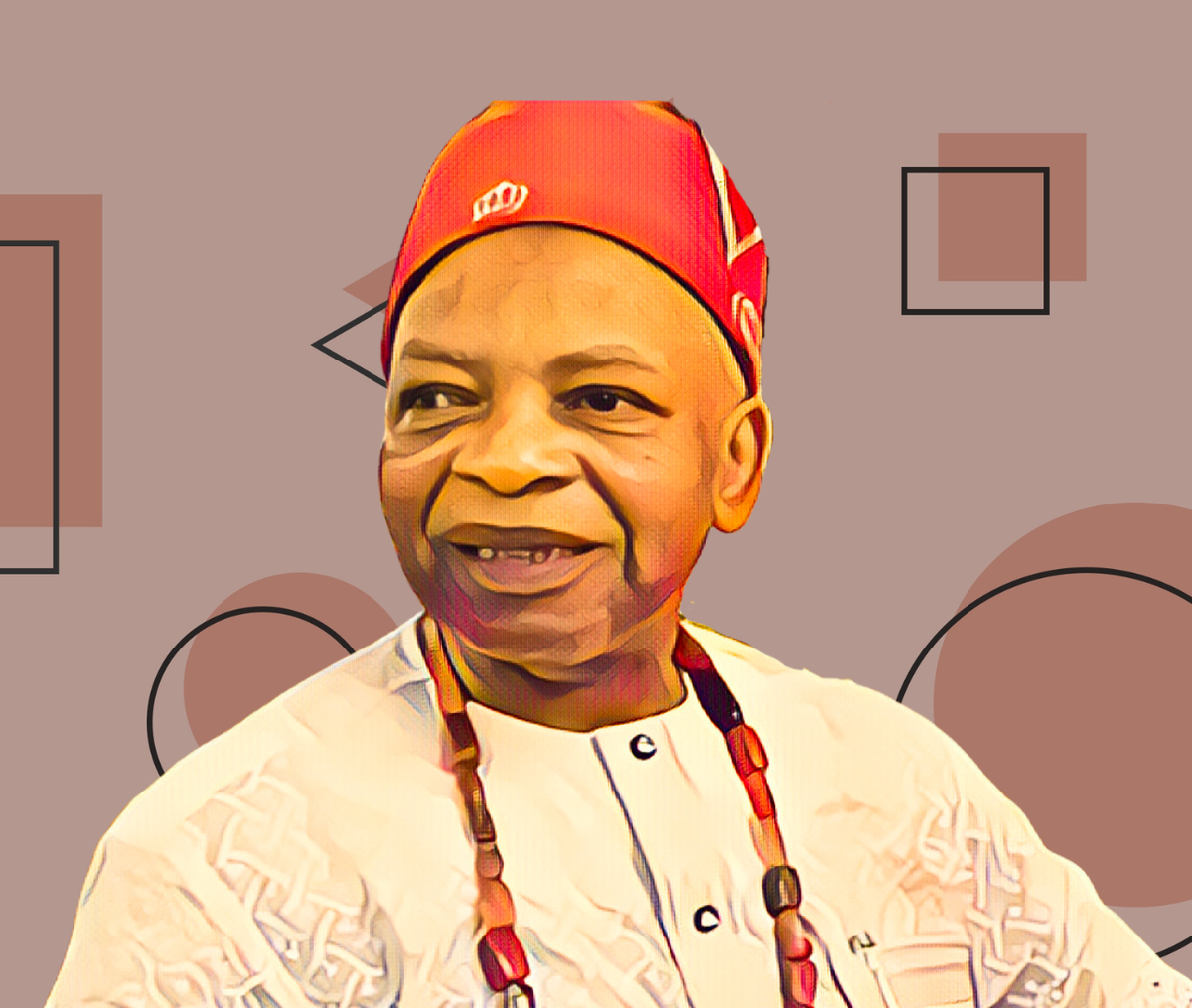
The Nigerian tycoon’s privately held energy group has surrendered or lost blocks in Senegal, Equatorial Guinea, Uganda and South Sudan as African governments tighten enforcement on dormant petroleum assets
Arthur Eze built one of the most expansive privately held oil portfolios on the African continent. Over three decades, the Nigerian billionaire assembled licenses across more than 20 countries, cultivating relationships with heads of state and energy ministers from Lagos to Malabo to Kampala. His company, Atlas Oranto Petroleum, became a symbol of what an African-owned independent could achieve in an industry long dominated by Western majors.
That empire is now under serious pressure.
In the past two years, Atlas Oranto has lost or surrendered oil blocks in at least 4 countries: Senegal, Equatorial Guinea, Uganda and South Sudan. The losses share a common thread. Governments across the continent are increasingly unwilling to let exploration licenses sit idle while operators hold acreage without drilling, investing or meeting their contractual obligations. Eze’s company has found itself on the wrong side of that shift, repeatedly.
Senegal: 17 Years, No Wells
The most high-profile revocation came in Senegal. In September 2025, the country’s Ministry of Energy formally terminated Atlas Oranto’s license over the Cayar Offshore Shallow block, a 3,600 square kilometer acreage north of the Dakar peninsula that the company had held since 2008.
The block was regarded as geologically promising. Regional surveys had identified several potential leads beneath the Atlantic seabed. But across 17 years of holding the license, Atlas Oranto never drilled a single exploratory well. Senegalese authorities said the company failed to provide mandatory bank guarantees and carried out only minimal exploration work despite receiving multiple deadline extensions.
Atlas Oranto pushed back. The company said it had invested more than $45 million in Senegal across seismic surveys, acreage rentals, community development and staff training. It argued that it suspended further spending only after the government demanded a $25 million bank guarantee, a requirement it described as inconsistent with terms applied to other operators in the country. Dakar was not persuaded.
The revocation came under President Bassirou Diomaye Faye’s administration, which has taken a noticeably harder line on petroleum license compliance since coming to power. Energy Minister Birame Souleye Diop had reportedly pressed the company on its obligations multiple times before pulling the permit. With the license gone, Senegal reclaimed the acreage for reallocation to operators it believes can actually develop it.
Equatorial Guinea: Excluded by Chevron, Chased for $10 Million
The problems in Equatorial Guinea are more complicated and arguably more damaging to Eze’s regional standing.
Atlas Petroleum, an Oranto subsidiary, previously held a 27% interest in Block I in Equatorial Guinea, a strategically significant asset that includes the Aseng field and forms part of the country’s gas export infrastructure. The block is tied to the EGLNG liquefaction project, a major venture spanning Equatorial Guinea and Cameroon.
Chevron, the block’s operator, grew frustrated with Atlas’s inability to meet fund calls tied to the project. When Chevron moved toward a final investment decision on the Aseng Gas Monetization Project, it concluded that Atlas could not contribute its share financially. The American major moved to exclude the Nigerian company from the block.
Separately, Equatorial Guinea’s government revoked 2 additional exploration licenses from Atlas Oranto, citing violations of production sharing agreements. Malabo then turned up the pressure, demanding a $10 million bonus payment if Eze wants any chance of recovering the lost assets. That payment, the equivalent of roughly N15 billion at current exchange rates, has not been reported as made.
Uganda: Guarantees Cashed, Permits Not Renewed
In Uganda, Atlas Oranto entered the country in 2017, securing exploration licenses over the Ngassa Deep and Ngassa Shallow plays in the Kikuube district, within the Albertine Graben. The Albertine region is Uganda’s most promising oil territory and home to the country’s commercial reserves.
The licenses expired. In 2023, the government extended the Ngassa Deep permit for 2 years, attaching conditions that included drilling at least one exploration well. According to those familiar with the situation, limited investment followed. When the extension ran its course, the Ugandan government declined to renew. It also moved to cash a $2.4 million bank guarantee that Oranto had deposited at GTBank as part of its original entry conditions. That money is now gone.
South Sudan: $17 Million in Unpaid Obligations
The situation in South Sudan is the most legally fraught. Oranto held Block B3 in the country for 6 years. Earlier this year, Juba’s Ministry of Petroleum refused to renew the permit, finding that the company had not carried out the mandatory work it committed to under the contract.
The ministry did not simply decline the renewal and move on. South Sudan has threatened legal action against Oranto over $17 million in unpaid obligations tied to the block. That dispute remains unresolved.
A Pattern African Governments Are No Longer Tolerating
Taken individually, each of these setbacks might be explained by local politics, contractual disputes or market conditions. Taken together, they point to something more structural.
Atlas Oranto’s model, critics say, was built on license accumulation rather than active exploration. The company was exceptionally good at securing acreage, often in frontier markets where access depended more on political relationships than drilling track records. The extraction that followed, in some cases, was slower to materialise.
That approach worked for decades in an era when African governments were eager to attract any upstream interest they could find. The calculation has shifted. A new generation of energy ministers, backed by reform-minded presidents, is enforcing compliance timelines and clawing back blocks that show no activity.
Atlas Oranto is not finished. The company secured 4 offshore production-sharing contracts in Liberia in September 2025, covering Blocks LB-15, LB-16, LB-22 and LB-24, with proposed investment commitments reported at more than $200 million per block. In Sao Tome and Principe, Brazil’s Petrobras entered Block 3 in April 2026, allowing Oranto to retain a 15% stake.
Whether those new agreements follow a different trajectory from the blocks now lost will depend on execution. That is precisely what regulators from Dakar to Kampala concluded Atlas Oranto could not deliver.
Crédito: Link de origem