

Archaeologists uncover 3,000-year-old tomb in Egypt
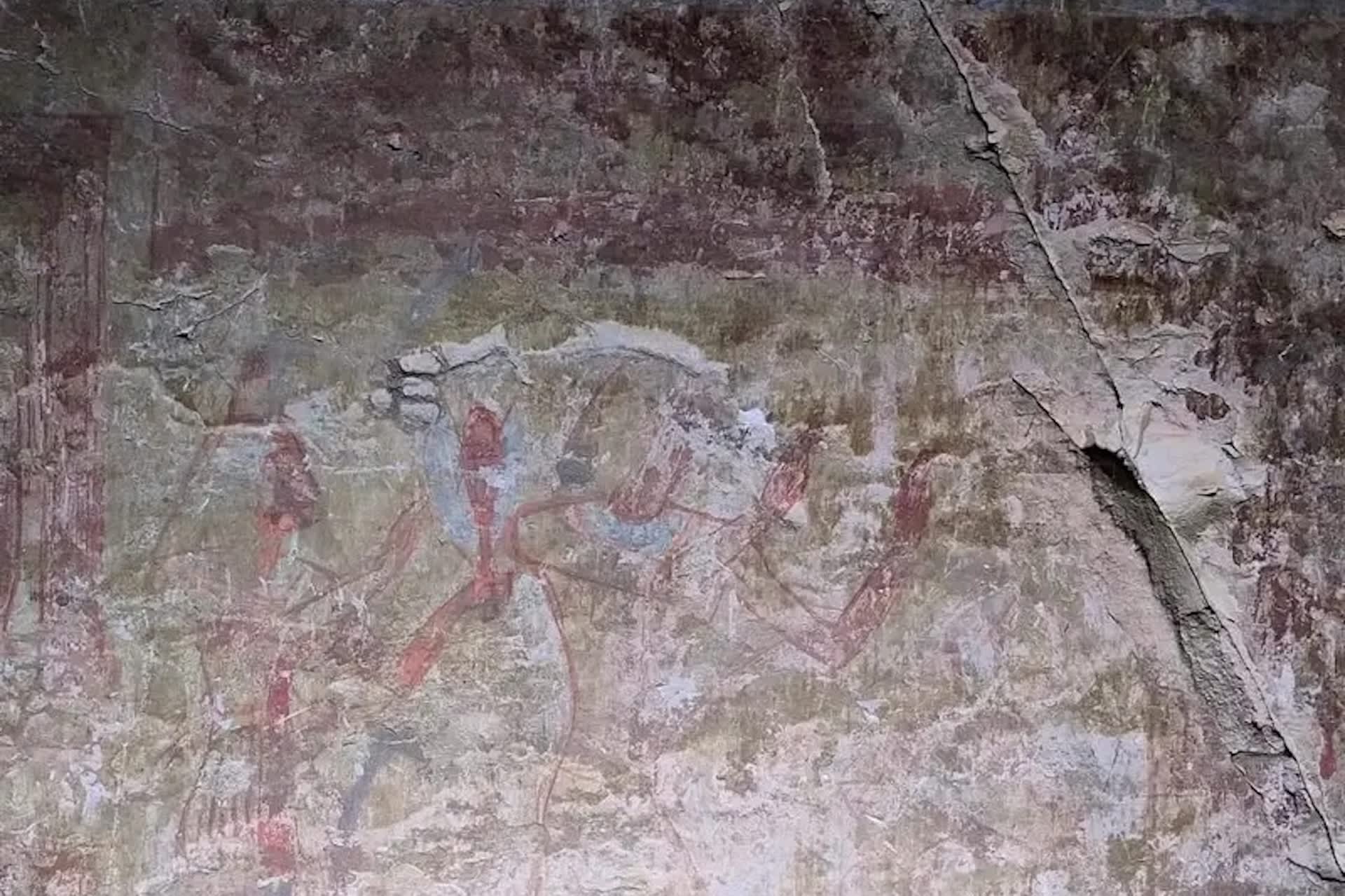
Photo Credit: Egyptian Ministry of Tourism and Antiquities
An uncovered tomb near Luxor is offering a new window into ancient Egypt, and this one comes with a name.
Archaeologists have said inscriptions inside the roughly 3,000-year-old burial site identify its owner as Paser, adding a personal detail to one of Egypt’s latest high-profile discoveries.
What happened?
As CBS News reported, the site was uncovered by a Dutch archaeological mission from Leiden University in the Sheikh Abd el-Qurna necropolis on Luxor’s West Bank, according to Egypt’s tourism and antiquities ministry.
CBS, in collaboration with Agence France-Presse, reported that specialists dated the burial to the Ramesside period, spanning Egypt’s 19th and 20th dynasties.
The tomb sits east of a burial site archaeologists already knew about. Its layout resembles other Theban tombs built for non-royals during the New Kingdom era, roughly 1570 to 1069 BC. A courtyard opens onto a T-shaped chapel carved from rock, with burial chambers cut underground.
The courtyard held several well-preserved features, archaeologists said, among them a mudbrick bench built to display a funerary stela and an entrance staircase flanked by sloped ramps.
Inscriptions inside the tomb name Paser and depict him paying tribute to a number of gods and sitting alongside his wife at an offering table.
Why does it matter?
The tomb offers historians another way to study how non-royal elites in ancient Egypt lived, worshipped, and prepared for death, rather than focusing only on monumental temples and royal burials.
Details such as the artwork’s style, the tomb’s layout, and the inscriptions or objects left behind can also help sharpen the timeline of a major period in Egyptian history.
Egypt has increasingly emphasized archaeological discoveries to support tourism, one of the country’s most important sources of foreign interest. Luxor’s global appeal for its temples, tombs, and other ancient landmarks means each new discovery can strengthen that draw.
What’s being done?
The tomb is part of an ongoing research project that began in 2018, and the excavation team is continuing to document and study the site to determine who was buried there and how it fits into the broader historical and archaeological context.
That work may depend as much on inscriptions as on architecture, since texts can reveal family ties, religious beliefs, and official roles.
Continued excavation could also bring to light additional artifacts, burials, or clues about the community that once surrounded the area. As researchers keep studying the site, new findings could reshape what is known about the Ramesside period and eventually inform exhibitions or tourism plans tied to Luxor.
Get TCD’s free newsletters for easy tips, smart advice, and a chance to earn $5,000 toward home upgrades. To see more stories like this one, change your Google preferences here.

Credit: Source link