

Analysis: Russia’s shadow war is moving from threat to preparation
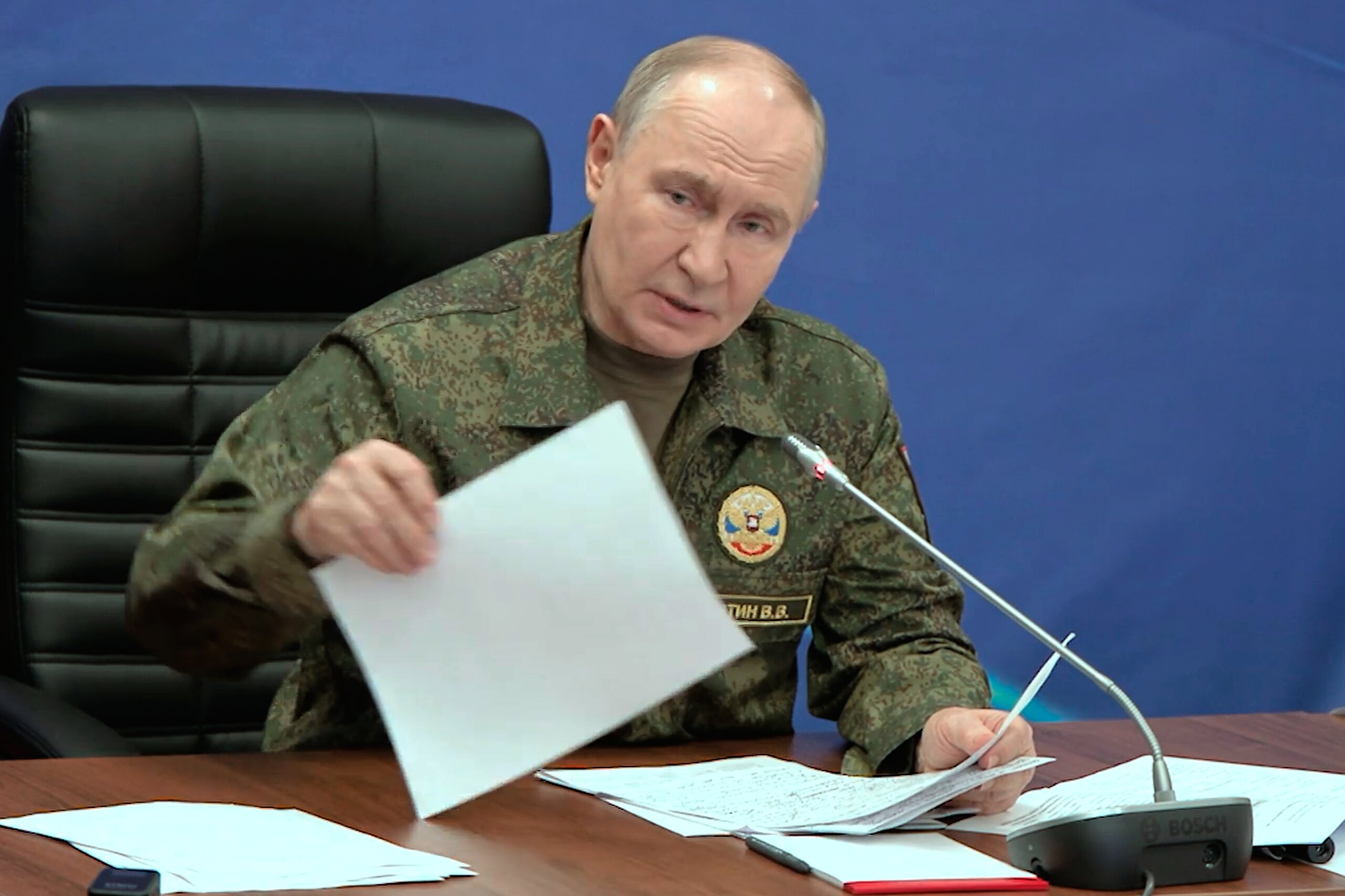
It should not be read as a single isolated alarm. It fits a broader pattern: Moscow is probing NATO’s eastern flank.
Lithuania is warning that Russia may be preparing attacks on critical infrastructure.
It should not be read as a single isolated alarm. It fits a broader pattern: Moscow is probing NATO’s eastern flank through cyber intrusions, sabotage planning, maritime pressure, GPS interference, proxy recruitment and deniable operations designed to stay below the formal threshold of war.
The core question is no longer whether Russia is waging a hybrid campaign against Europe. It is how far that campaign can go before NATO decides it has crossed into collective-defense territory.
The most important point is that the reported intelligence does not appear to identify a specific target, location or timetable. That matters. It suggests Russia may be preparing options rather than executing an imminent large-scale attack.
In intelligence terms, that distinction is critical. Preparation can include reconnaissance of energy sites, cyber access to transport networks, recruitment of local facilitators, mapping of port operations, GPS spoofing or test runs using criminal intermediaries. None of that requires Moscow to make a final decision. But all of it gives Moscow the ability to act quickly if the political order comes.
The likely targets are obvious: energy interconnectors, rail corridors, ports, telecommunications systems, LNG facilities and undersea infrastructure in the Baltics and Poland. These are not symbolic targets. They are the connective tissue of NATO reinforcement and European resilience.
Disrupt a rail node, damage a power cable, compromise a port logistics system or interfere with navigation signals, and the effect is broader than the physical damage. It creates uncertainty, raises insurance and security costs, slows military mobility and pressures governments to prove they can protect civilian life.
Russia’s advantage is deniability. A cyberattack can be blamed on criminals. A fire can look like an accident. A damaged cable can be attributed to a careless ship. A recruited courier or petty criminal can be discarded after the operation. It’s the logic of hybrid warfare: create real damage while forcing the target to argue over attribution, legal thresholds and proportional response.
That’s why Europe’s recent public attribution campaign matters. The UK and EU are not just sanctioning Russian cyber and hybrid operators to punish past behavior. They are trying to strip away deniability before the next incident. Naming officers, companies and networks makes it harder for Moscow to hide behind proxies and front structures. It also warns potential collaborators that the relationship may become public.
For NATO, the hardest problem is not military capability. It is decision speed. Article 5 was designed for an armed attack, not a suspicious ship near a cable, a rail fire, a cyber intrusion and a disinformation burst happening at the same time. Russia understands that ambiguity buys time.
The strategic lesson is blunt: Europe’s front line is no longer only in Ukraine. It runs through substations, ports, rail yards, fiber-optic cables, shipping lanes and data systems. Russia is building a battlespace inside civilian infrastructure. The attack may not have started yet. The preparation almost certainly has.
Get breaking news and daily headlines delivered to your email inbox by signing up here.
© 2026 WTOP. All Rights Reserved. This website is not intended for users located within the European Economic Area.