

Aliko Dangote to manage Kano vocational center for 20 years
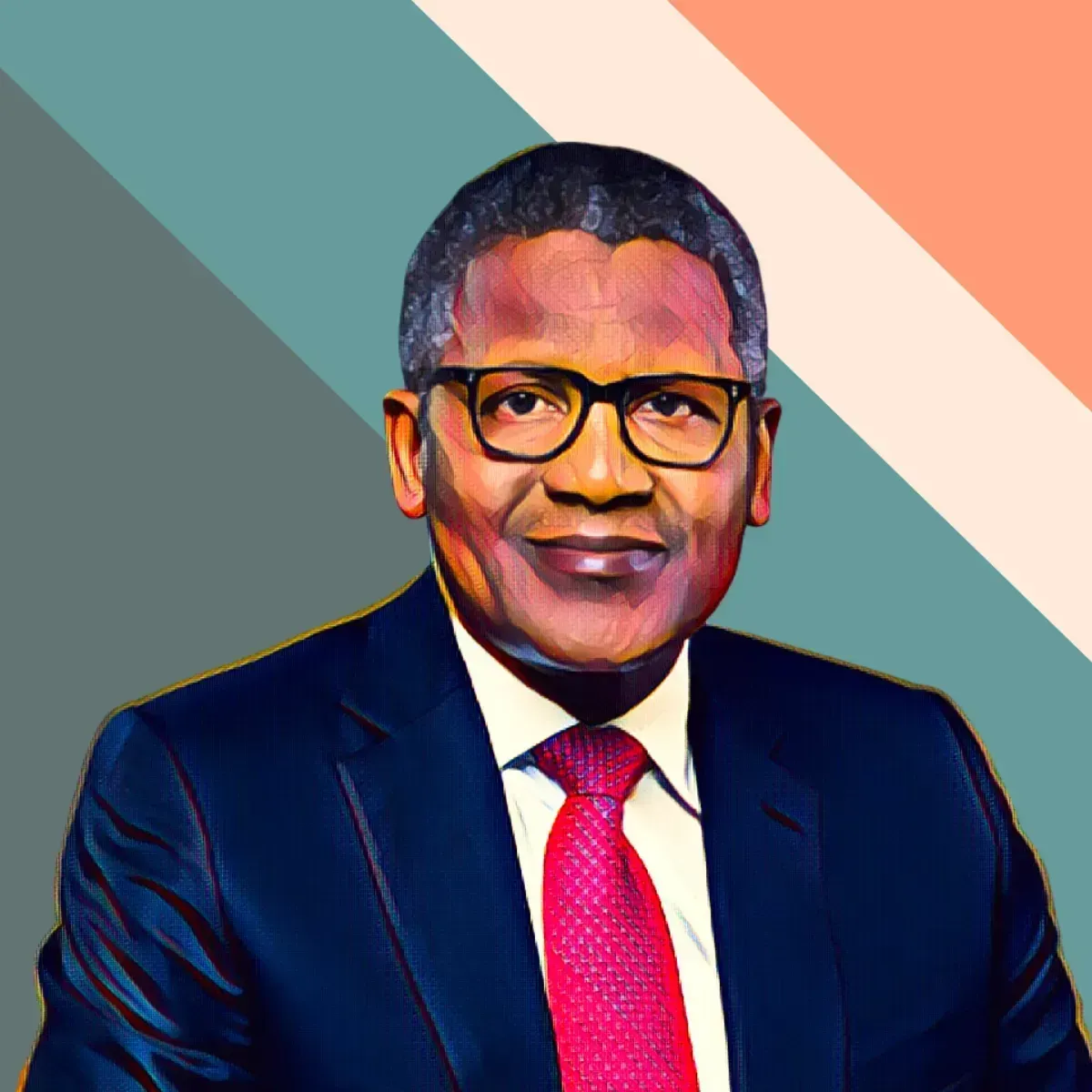
Aliko Dangote, Africa’s richest man, has agreed to take over the management of a vocational training center in Kano for 20 years, in a deal aimed at reviving a skills facility that bears his name and returning it to full operation.
The Kano State Government and the Nigerian billionaire signed a memorandum of understanding in Kano to restore the Aliko Dangote Vocational Training Centre, which had seen years of declining activity that limited its ability to train young people. The agreement hands day-to-day management to Dangote and his representatives while ownership stays with the state.
Umar Farouk Ibrahim, secretary to the Kano State Government, said at the signing that the arrangement was designed to make the center functional again and to deliver on its original purpose of equipping young people with practical skills. He stressed that the deal was not a sale or transfer of the facility.
Ibrahim said the government wanted to ensure that young people in the state could gain market-oriented skills that would help them find jobs, start businesses and become economically self-reliant. The center would be given the management structure, resources and operational capacity needed to resume full-scale training, he added.
Sunusi Abdulkadir, who represented Dangote at the ceremony, said the businessman’s side was committed to restoring the facility, providing equipment and strengthening vocational programs relevant to the economy. He said the aim was to turn the center into a platform where young people could acquire skills that improve their economic prospects.
The agreement comes amid rising concern over youth unemployment in Nigeria and growing interest in technical and vocational education as a route to economic empowerment. Kano, one of the country’s most populous states, has a large youthful population and a long tradition of commercial and artisanal activity.
The 20-year term is intended to give the center continuity and shield it from the recurring operational problems that had weakened it, according to the state government. Officials framed the partnership as a potential model for public-private cooperation in skills development at a time when governments are seeking more sustainable ways to run such institutions.
The center was originally established in Kano to equip young people with vocational knowledge and improve their prospects for self-employment. The state government said its central goal was to return the facility to that purpose and ensure graduates leave with skills that translate into jobs and businesses.
Crédito: Link de origem