

Aliko Dangote blames oil firms for Kenya refinery protests
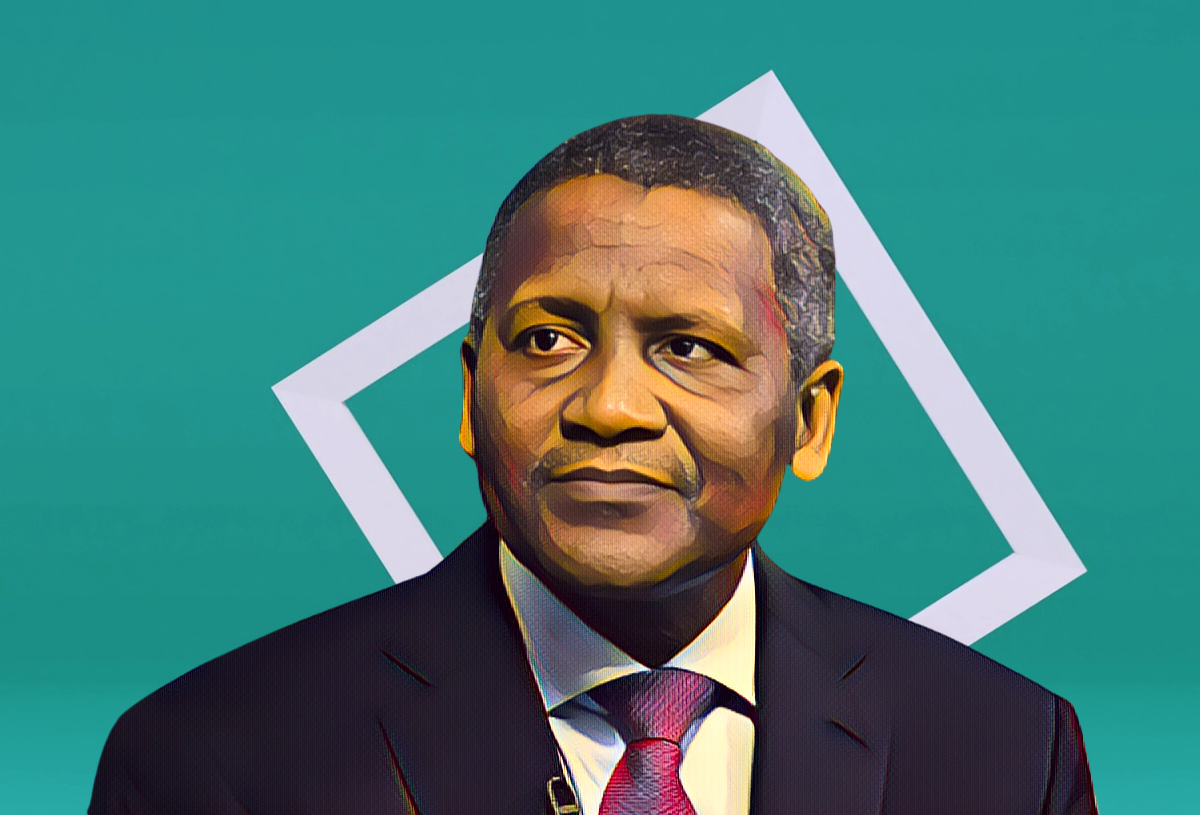
Aliko Dangote has blamed local fuel marketers and international oil companies for the protests against his planned $16 billion oil refinery in Lamu, Kenya, and said the project will go ahead on schedule.
Speaking to the BBC’s Focus on Africa program, the Nigerian billionaire dismissed the protests as “games played by local marketers and international players.” Some residents of Lamu have demonstrated over compensation for land acquired for the refinery.
“They said some people are demonstrating; demonstrating about what? Have you ever seen people demonstrating against themselves in terms of development?” Dangote said.
He rejected claims that the company had taken more land than it needed. He said it was using only the portion allocated to it by the Kenyan government.
Dangote did not name any company or say what evidence he had that fuel marketers or oil majors were behind the protests.
A court case and an environmental challenge
The comments came after Dangote and Kenyan President William Ruto broke ground on the refinery on Wednesday, despite a pending court case over the land.
A group of 133 Lamu residents went to Kenya’s High Court to stop construction. Following their case, excavation and building on the disputed land have been restricted until the next hearing, scheduled for Oct. 14.
The project also faces environmental objections. Walid Ali, co-founder of the Save Lamu campaign group, told the BBC that residents wanted to see the findings of the project’s environmental impact assessment and the measures proposed to limit damage to the area.
Lamu, a coastal county known for its UNESCO-listed old town, mangrove forests and fishing communities, has seen past large infrastructure projects draw strong local opposition over land and environmental concerns.
Dangote said the protests would not stop the refinery, which he described as his largest proposed investment outside Nigeria. He said it would be ready by 2030 as planned.
Kenya’s largest project since independence
The refinery is designed to process 700,000 barrels of crude a day. It is expected to be the largest refinery in East Africa and Kenya’s biggest infrastructure project since independence, surpassing the $5.1 billion Standard Gauge Railway that links Mombasa and Nairobi.
Dangote said the project would employ about 60,000 people at the peak of construction and that local communities would benefit. The complex will also include a 1,000-megawatt power plant to supply Dangote’s operations and other industries expected to set up nearby.
He has framed the project as a test of whether his Lagos refinery, the world’s largest single-train refinery, can be repeated elsewhere in Africa. “Lekki proved that it can be done, Lamu must prove that it can be repeated,” he said.
His accusation against fuel marketers and oil majors echoes a long-running feud in Nigeria. There, Dangote has repeatedly clashed with fuel importers and international oil companies, which he has accused of trying to undermine his Lagos refinery by limiting its access to crude and continuing to import fuel.
Free refinery shares for Nigerian students
Separately, the Aliko Dangote Foundation launched a Student Share Grant Initiative in Nigeria tied to the ongoing initial public offering of Dangote Petroleum Refinery and Petrochemicals.
Students aged 18 and over at Nigerian universities and other tertiary institutions who verify their status and buy at least 10 shares in the IPO through the foundation’s platform will receive another 10 shares paid for by the foundation.
“Through this initiative, we want students to understand the value of saving, responsible investing and long-term ownership,” Dangote said. “Our goal is to help them develop an investment mindset early in life.”
The IPO closes on Oct. 13.
Crédito: Link de origem