

Algeria and Mali bury the hatchet to face a shared threat
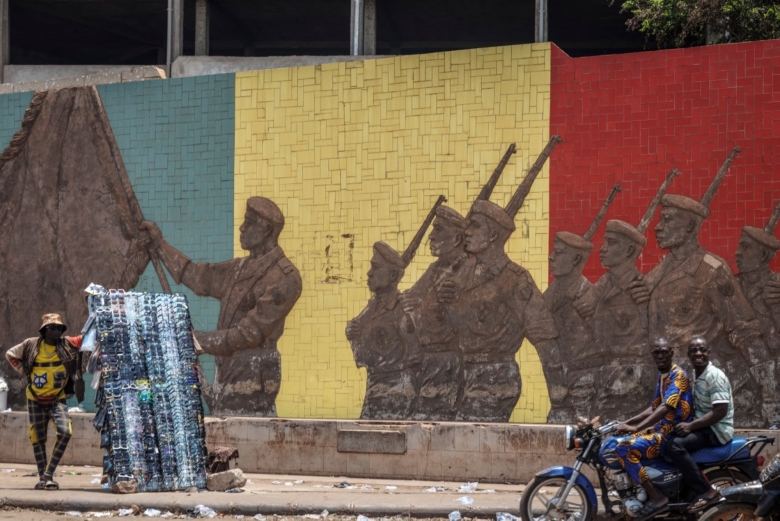
Foremost among the threats are jihadist networks linked to al-Qaeda in the Islamic Maghreb (AQIM) and its hybrid offshoots, including the Movement for Unity and Jihad in West Africa. The wider landscape also includes transnational organisations such as Boko Haram, allied Islamist groups including Ansar Dine and Ansar al-Sharia, and dozens of other organisations operating along the faultlines between Libya, Chad, Mali and, more recently, Burkina Faso.
Recent coordinated attacks and violent clashes in Mali have been carried out by Jama’at Nusrat al-Islam wal-Muslimin, in alliance with fighters from the separatist Azawad Liberation Front. They targeted military positions and major towns across the north and central regions. Explosions were reported in Sévaré, a central Malian town that hosts a military base and airport. The main prison at Kenioroba outside the capital, where militants have been detained, also came under attack. The army said it repelled the assaults and killed several attackers.
Working together
Analysts wonder whether this quickly repaired relationship between Mali and Algeria can repair the region’s fractured security architecture across the Sahel. Intelligence coordination will help, as would protection of the main logistical arteries along which fuel tankers are now being attacked. The two states will need to activate joint intelligence coordination centres and revive direct negotiations between the opposing parties.
Abdelrafik Kachout, a political analyst and lecturer at Mohamed Seddik Ben Yahia University, described the mission as “arduous, given the tangled strands of the crisis,” adding: “What is certain is that Algeria will draw upon its political skill, rich historical legacy, and regional experience to draw the adversaries out of the trenches and towards the negotiating table.”
Kachout said Algeria has built up trust among several of the parties and actors on the ground, “foremost among them the Azawad factions, which continue to place confidence in the country’s strategic approach,” adding: “Algeria has consistently urged them to renounce the language of arms and establish common ground capable of preserving national unity against the profound divisions between the densely populated south and the troubled desert north, where most of Mali’s Tuareg population lives.”
Shadow approaching
Mohamed al-Saleh Jamal, a political researcher and academic, said repaired relations between Mali and Algeria “will provide an opportunity to revive channels of political consultation and security coordination between them, thereby strengthening cooperation against shared threats” such as terrorism, organised crime, and smuggling.
Algeria has expertise in counterterrorism, border security, and crisis management, he said. “It has also accumulated considerable diplomatic experience in mediation and in reconciling opposing positions. This expertise represents a valuable asset that could underpin bilateral cooperation within a framework of full respect for the sovereignty of each state and non-interference in its internal affairs.”
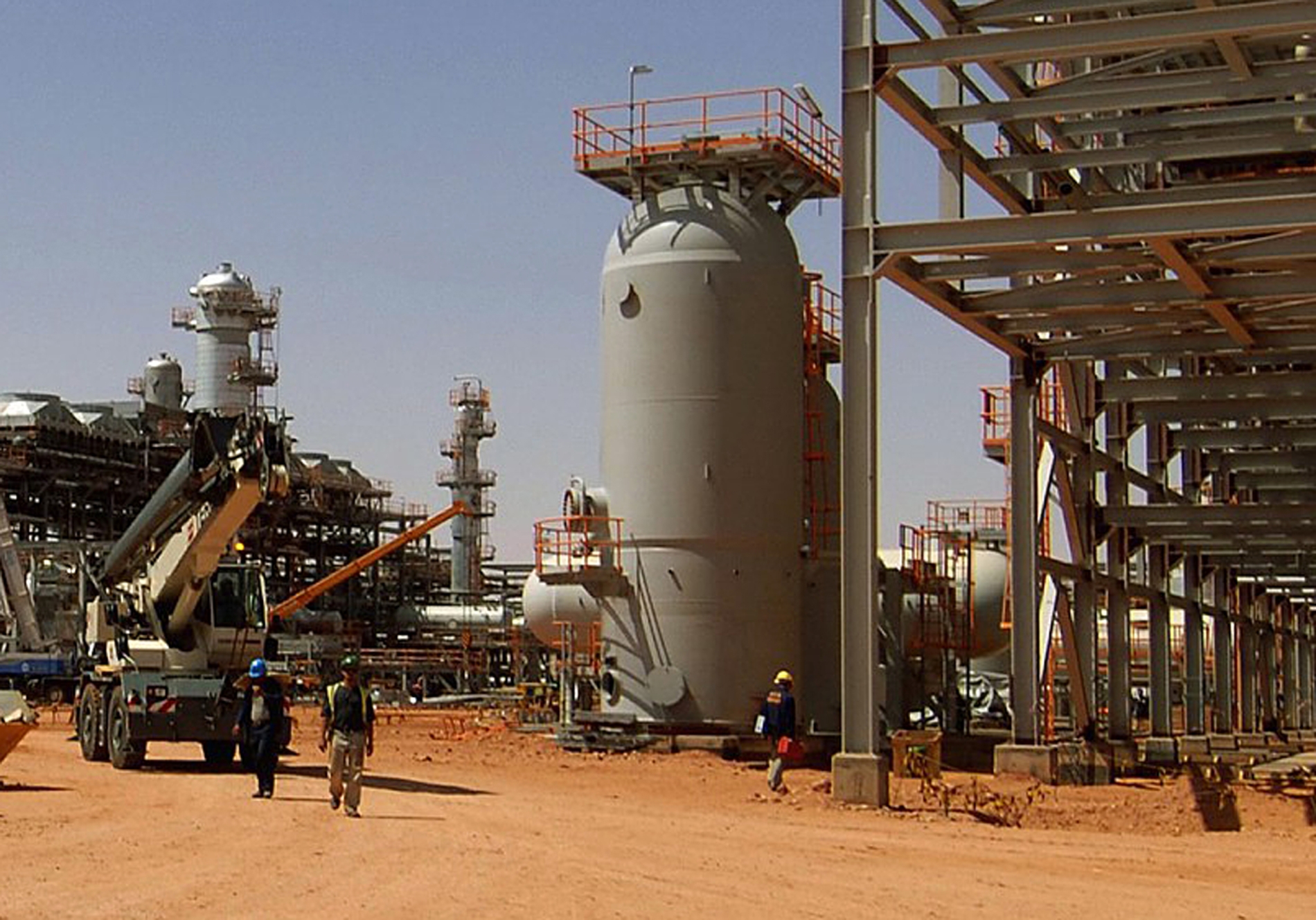
Kachout warned that “security solutions cannot function in isolation from geo-economic tools… Foremost among these are humanitarian and logistical assistance”. Algeria’s oil companies might even enter Mali’s energy sector and help reduce production costs, he suggested, while the trans-Saharan road network offered other opportunities. “Mali is labouring under the burden of a fuel blockade,” he said. “This confirms that the imperatives of economic geography were among the principal forces that drew the two countries towards reconciliation.”
The fiercest clashes are no longer confined to the distant northern fronts; their shadow is approaching Mali’s historic city of Timbuktu, which is now gripped by an acute fuel crisis. Armed groups have adopted a deliberate strategy of economic strangulation, waging a “war on tankers” by attacking convoys carrying essential supplies.
Closing the chapter of discord between Algeria and Mali therefore carries significance far beyond diplomatic protocol. It has become a strategic necessity imposed by the pressures of a theatre of conflict. Algeria’s previous success in containing the region’s so-called ‘belt of fire’ bodes well, but observers are wary. The sands of the Sahel may still conceal further discord beneath their surface.
Credit: Source link