

Iraq Shuts Down Khor Mor Gas Field Amid Security Threats
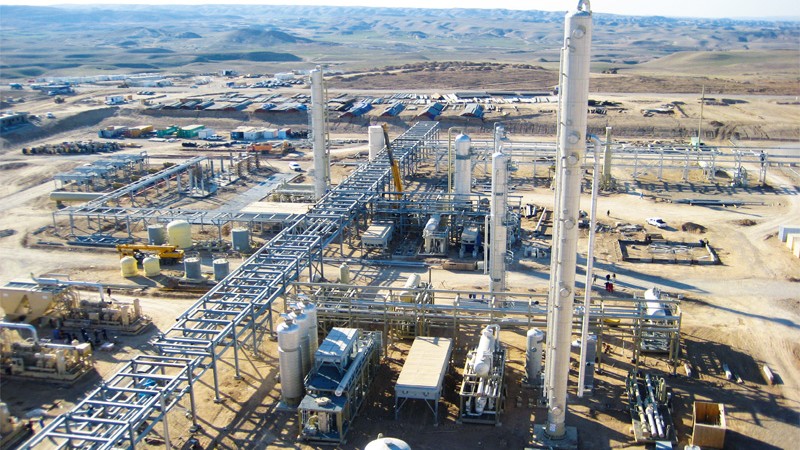
United Arab Emirates’ Dana Gas has suspended operations at all main production facilities in the Khor Mor gas field due to credible security threats amid an increasingly volatile regional situation. The decision to close the facility was made in coordination with the Kurdistan Regional Government (KRG), Sulaymaniyah authorities, and the Iraqi federal government in a bid to safeguard personnel and infrastructure. The Khor Mor facility has previously faced repeated security challenges, including rocket and drone strikes from armed groups, resulting in production halts and widespread blackouts.
Located in the Kurdistan Region of Iraq, the Khor Mor field is a critical energy asset for the region, supplying more than 80% of the Kurdistan Region’s electricity generation needs. The sudden cessation of gas deliveries to power stations is anticipated to reduce the region’s electricity generation capacity by up to 3,000 megawatts; consequently, power availability in the area will be heavily restricted to just a few hours a day. The UAE-based operator has, however, reassured its customers and stakeholders that the plant remains in a state of operational readiness to be quickly brought back online once conditions improve.
The Khor Mor gas field holds an estimated reserve of 8.2 trillion cubic feet (Tcf) of natural gas, making it the largest producing non-associated gas field in Iraq. The field is operated by Pearl Petroleum, a consortium whose majority shareholders include the UAE’s Dana Gas and Crescent Petroleum, each holding a 35% stake, while the remaining 30% is split equally between Austria’s OMV AG (OCTPK:OMVJF), Hungary’s MOL Group and DNO, under an agreement with the Kurdistan Regional Government. The $1.1 billion KM250 expansion at the Khor Mor gas field successfully boosted production capacity by 50% to 750 Million Standard Cubic Feet per Day (MMSCFD). While the plant’s output fuels local power networks, the surplus gas is earmarked to supply federal power plants in the rest of Iraq. This will help ease Baghdad’s persistent power deficits and reduce its costly reliance on imported Iranian gas.
By Alex Kimani for Oilprice.com