

Executive ‘Must Not Act On A Whim’:Taal defends NAO ruling, questions CJ appointment process
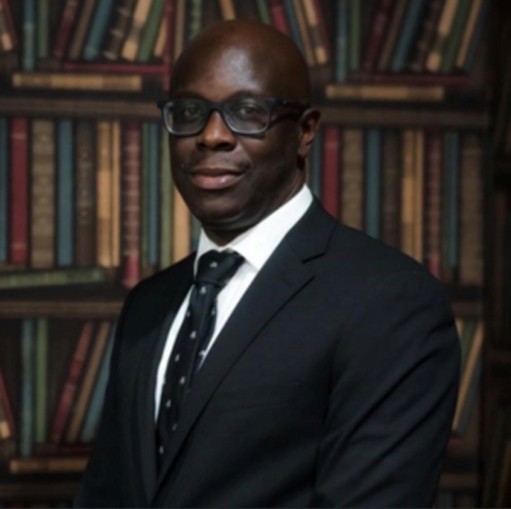
Speaking on Coffee Time on West Coast Radio, Taal said the judgment sends a clear message that the Executive is not above the law and that constitutional safeguards protecting independent public offices must be respected.
Taal, who was among lawyers that filed an amicus curiae (friend of the court) brief on behalf of civil society organisations, said the intervention was aimed at assisting the court on issues of constitutional importance rather than supporting either party.
“This case was never about one individual,” he said. “It was about protecting constitutional principles that are at the heart of our democracy.”
The High Court ruled that the removal of former Auditor General Modou Ceesay was unlawful, declaring that the Executive failed to follow constitutional procedures and awarding him damages.
Although the ruling has sparked mixed reactions, Taal described it as a significant victory for constitutional governance.
“The court looked at the evidence and concluded that the Executive got it wrong. It made it clear that government cannot simply act on its own whims but must operate within the law,” he said.
Addressing criticism that the court did not order Ceesay’s reinstatement, Taal pointed out that the former Auditor General did not seek reinstatement in his legal action.
“The litigant did not ask for reinstatement. Whether the court could have granted it is a separate legal argument, but it was not one of the remedies sought,” he explained.
Taal noted that the judgment reinforces the constitutional independence of offices such as the National Audit Office and serves as a warning against arbitrary executive action.
“The Constitution clearly sets out how these office holders can be removed. They cannot be dismissed simply because the Executive wants them out,” he stressed, adding that the ruling should also remind law enforcement agencies that they must operate within the confines of the law.
On the reported appointment of a new Chief Justice, Taal said public debate should focus on constitutional compliance rather than personalities.
While describing the reported nominee, Edi M.O Faal, as an accomplished lawyer of unquestionable integrity and competence, Taal said the Constitution clearly outlines the qualifications required for the country’s highest judicial office.
“The law is the law,” he said. “The responsibility lies with those making the appointment to demonstrate that the constitutional requirements have been met.”
He also called for broader consultation in appointments to such critical offices, saying the legal profession should be engaged even where consultation is not legally mandatory.
Reflecting on the role of the Gambia Bar Association, which he previously led, Taal said lawyers have a duty not only to represent clients but also to defend constitutionalism, human rights and the rule of law.
“The rule of law is the cornerstone of democracy,” he said. “Every lawyer has a responsibility to uphold justice and protect the Constitution.”
Credit: Source link