

IMF support: Will Senegal tap debt restructuring?
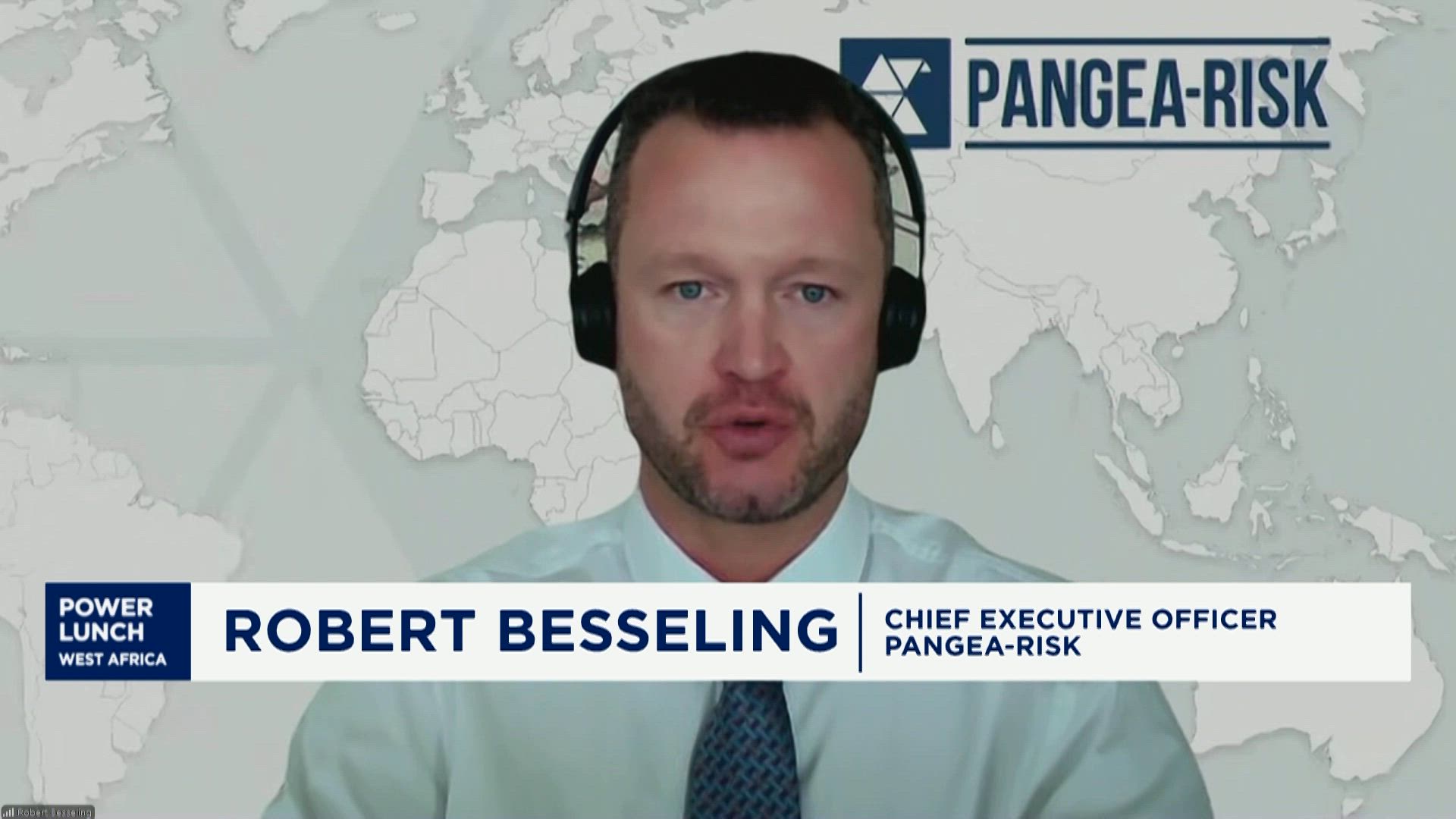
Senegal is pressing ahead with efforts to secure fresh support from the International Monetary Fund as it grapples with rising debt-servicing costs, but growing political divisions and the scale of reforms required could leave the country dangerously exposed to a default scenario, according to Robert Besseling, CEO of Pangea Risk.
In a television interview focused on Senegal’s debt crisis, Besseling said the West African economy is running out of viable options and may face what he described as an “accidental sovereign default” within the next six months unless it reaches agreement on a debt restructuring or unlocks IMF backing.
The warning underscores mounting pressure on Dakar as it seeks to stabilize public finances while resisting a full-blown debt restructuring, which officials have publicly framed as a last resort. Senegal’s predicament reflects a broader post-pandemic pattern across Africa, where several sovereigns have faced debt distress, defaults or prolonged restructuring talks.
Besseling said Senegal’s debt burden has become increasingly difficult to manage, despite tactical steps by the government aimed at reassuring investors and engaging international lenders. He pointed to the IMF’s return to Dakar in June for the first time since February to discuss both debt restructuring and a potential new program.
Just ahead of that visit, Senegal made early coupon repayments on some of its obligations, a move Besseling described as politically savvy and headline-grabbing. But he said those payments were financed through regional local-currency borrowing at significantly higher interest rates, adding to the overall debt stock rather than easing pressure.
According to Besseling, Senegal has tapped regional debt markets at servicing costs of roughly 8% to 9%, levels he suggested are far more expensive than peers such as Ivory Coast. The result, he said, is a deteriorating fiscal picture in which debt service is consuming an unsustainable share of state resources.
He said Senegal’s debt-servicing ratio has climbed to 70%, while roughly half of government revenues are now being spent on servicing external debt. “That’s unsustainable,” he said, arguing that without IMF assistance or an orderly restructuring, the country’s financing squeeze will only intensify.
The challenge for Senegal is that even if policymakers decide to pursue restructuring, the process is unlikely to be straightforward. Besseling noted there is no longer a simple international framework for sovereign debt workouts, and recent examples across the continent have been slow and complex. Ghana and Zambia took years to make meaningful progress, while Ethiopia’s restructuring remains incomplete.
That raises the prospect of a highly complicated negotiation involving sovereign bondholders, bilateral lenders, commercial banks and export credit agencies. For Senegal, which has historically maintained market access and cultivated a reputation as one of West Africa’s more stable economies, such a process could prove especially delicate.
At the center of IMF discussions are the reforms required to restore confidence and unlock a financing package. Besseling said those measures are likely to include a full audit of public debt, particularly after the emergence of $13 billion in previously misreported or undisclosed debt linked to the previous government. The IMF is also expected to insist on subsidy reform, especially a phased withdrawal of fuel subsidies, as well as stronger domestic revenue mobilization and tighter fiscal management.
Senegal has already taken some preliminary steps. Besseling said the government has presented a more realistic three-year budget aimed at narrowing the deficit and aligning fiscal targets more closely with IMF expectations. He also said authorities appear to be softening some of their more nationalist positions in strategic sectors such as gold mining and liquefied natural gas in an effort to preserve investor confidence and attract foreign capital.
Still, he argued that the easier measures may already have been exhausted. The more politically sensitive reforms — notably a debt audit and fuel subsidy phaseout — remain outstanding, and those are precisely the conditions most likely to determine whether the IMF moves forward.
That is where domestic politics may prove decisive. Senegal’s ruling establishment, according to Besseling, is increasingly divided between President Diomaye and National Assembly Speaker Ousmane Sonko, once close political allies but now at odds over policy direction and power. The split, he said, has contributed to institutional paralysis at a time when decisive economic action is urgently needed.
With local elections due in 2027, Besseling said the political environment is becoming more polarized and every major economic decision is being filtered through electoral calculations. In that context, he said, the will to implement painful reforms is likely to remain weak.
He described a government apparatus in which constitutional reform, fiscal policy and broader economic strategy are no longer fully aligned. Tensions between the presidency and the National Assembly are, in his view, reducing the government’s ability to present a coherent plan to creditors, investors and the IMF.
That uncertainty is all the more striking given Senegal’s underlying economic potential. Besseling said the country still has a strong long-term story, supported by expanding gold production, crude oil output that is running above target and gas development that remains on track. He noted that gold production could nearly double this year, while hydrocarbons offer meaningful future revenue streams.
Those resource prospects, he said, buy Senegal some goodwill with lenders and investors. But they are not enough, on their own, to overcome the IMF’s concerns. The Fund, Besseling argued, has already been “burnt” in Senegal after undisclosed debt issues led it to cut a $1.8 billion program. As a result, it is likely to demand clear accountability and enforce strict conditions before restoring large-scale support.
In Besseling’s assessment, that makes a quick IMF rescue improbable. He said a credible program is unlikely to be in place this year and may not materialize until well into 2027, potentially even after the elections.
For investors, the message is increasingly stark: Senegal retains promising economic fundamentals, but time is running short. Unless the government can bridge political divides, deliver a transparent debt audit and commit to difficult fiscal reforms, the country risks sliding from a liquidity crunch into a full-fledged sovereign default.
The tension between near-term political constraints and long-term economic promise is now defining Senegal’s debt saga — and will shape whether it can preserve its standing as a regional success story or join the growing list of African sovereigns forced into painful restructuring.
Credit: Source link