

Galveston pushes ahead 350-acre mixed-use development
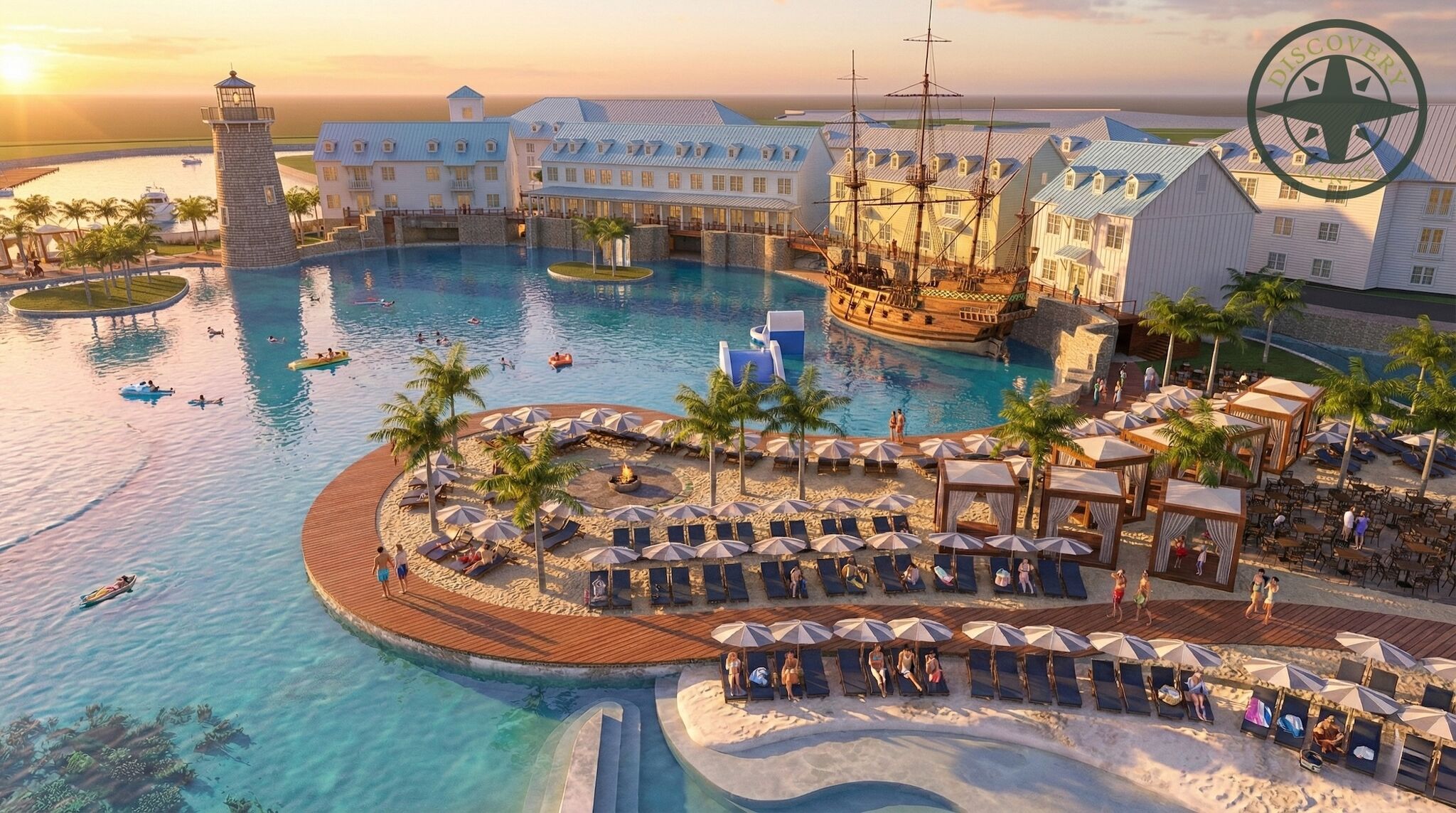
In one of its most consequential decisions in years, Galveston City Council approved Blackard Companies’ request for a planned unit development overlay on Thursday evening, allowing the Dallas-based developer to proceed with a variety of zoning variances for Discovery Sands, the controversial 350-acre mixed-use project that has dominated public discussion on the island for months.
With its 4-3 vote, the council granted Discovery Sands much greater leeway regarding minimum building height and lot size, private streets (thereby allowing gated communities), curb setback distance, and other deviations from the city’s land development regulations. However, council attached conditions to its approval, including the establishment of a conservation fund for the project.
Council members, Blackard CEO Jeffory Blackard, and members of the public debated the proposal for a solid two-and-a-half hours, longer than the Houston Astros’ game against the Detroit Tigers being played at the same time. Discovery Sands’ opponents packed the council’s City Hall chambers, plus an overflow room down the hall, and more than two-dozen people approached the podium to express their displeasure with the proposal. Their numbers included representatives of the Galveston Bay Foundation, Turtle Island Restoration Network, Bayou City Waterkeeper, and a handful of officials from Jamaica Beach, the tiny West End municipality that would border Discovery Sands.
Besides Blackard himself, who stayed the entire time, one person spoke in its favor.
At stake is the proposed 350-acre mixed-use development due west of the small island community of Jamaica Beach. Blackard, CEO of Dallas-based Blackard Companies, has said roughly half the land will be used to build around 800 housing units—some single-family homes and some condominiums—as well as recreational amenities including a 44-slip marina, 3.5-acre lagoon, and a nearly 1,200-foot lazy river. Blackard claims the remaining land, the wetlands, will be kept as is.
The developer also promised to improve wastewater systems in the area—for Jamaica Beach residents as well as Discovery Sands homeowners—but the project’s many critics have not been persuaded. Among their other concerns are how the project would affect traffic and flood control in the area, as well as its possible impact on Galveston’s so-called “ghost wolf” population, which uses the contested property as one of its primary habitats on the island.
The real issue, Jamaica Beach homeowner and Discovery Sands opponent Heather Owens told Chron in May, is “whether something of this scale is appropriate for the West End at all.”
On Thursday, the council did not agree.