

France boards oil tanker Tagor in Atlantic, escalating crackdown on Russia’s shadow fleet
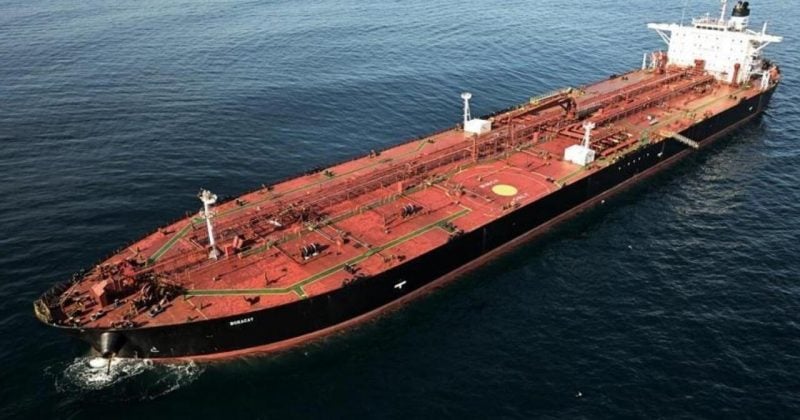
France’s navy boarded the oil tanker Tagor in the Atlantic Ocean after the vessel sailed from Russia, adding another chapter to an increasingly aggressive Western campaign against the so-called shadow fleet that keeps Russian crude flowing despite international sanctions.
The Tagor isn’t some random vessel caught in the wrong place at the wrong time. It’s a ship that has been sanctioned by the US, the EU, the UK, Switzerland, and Ukraine, a distinction that puts it squarely in the crosshairs of any Western navy patrolling international waters.
What the shadow fleet actually is
After Western nations imposed restrictions on Russian petroleum exports following the invasion of Ukraine, Russia assembled a sprawling network of aging tankers, often with murky ownership structures, designed to move crude oil while dodging the price caps and trade restrictions meant to squeeze Moscow’s war chest.
These vessels frequently reroute cargoes toward India and China, two countries that have continued purchasing Russian oil at discounted prices. The Tagor has been linked to exactly this kind of activity, serving operators who facilitate the transport of Russian crude to buyers willing to look past the sanctions regime.
The US Treasury sanctioned the Tagor on July 30, 2025. The EU followed on October 24, 2025. The UK added its own restrictions in February 2026.
France’s growing naval enforcement campaign
The Tagor boarding isn’t an isolated incident. France has been steadily ramping up interceptions of shadow fleet tankers throughout 2025 and 2026, often with UK support.
On March 20, 2026, the French navy seized the Deyna due to sanctions violations. Another vessel, the Grinch, was also intercepted in early 2026. These operations are conducted under the UN Convention on the Law of the Sea, with judicial investigations typically launched after boarding.
President Emmanuel Macron has publicly committed to enforcing sanctions at sea, framing the effort as a matter of geopolitical necessity rather than routine maritime policing.
The scale of the problem is considerable. Over 100 vessels have been targeted under US sanctions packages related to Russian oil trade.
Why this matters beyond oil markets
Russia has reportedly explored using digital assets for oil trade settlements as a way to circumvent the traditional financial system that sanctions are designed to block. No specific tokens or platforms have been linked to the Tagor’s operations, but the broader pattern is clear: when conventional banking channels get shut down, sanctioned actors look for alternatives.