

38 years on: Iraq still divided over Iran war victory anniversary – Shafaq News
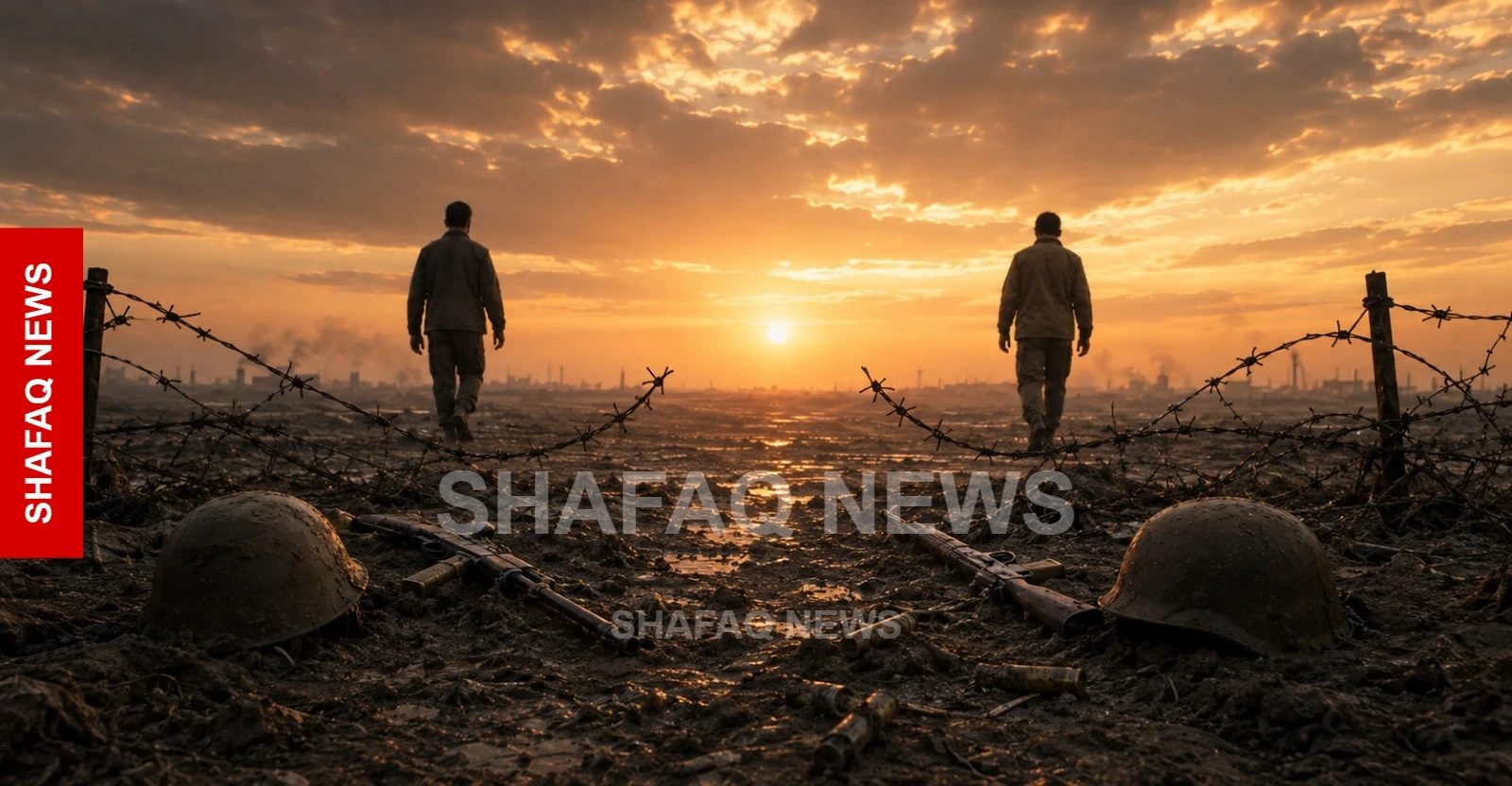
Shafaq News-
Baghdad
Thirty-eight
years after Iraq marked the end of its war with Iran, August 8 no longer
commands the national consensus the former regime under Saddam Hussein built
around it, according to Iraqi analysts, politicians, and citizens who spoke to
Shafaq News. Once celebrated as “Great Victory Day,” the date has become
the subject of an open argument over whether the eight-year war was a military
triumph or a ruinous waste.
The Iran-Iraq
war began in September 1980 and ended in August 1988 under United Nations
Security Council Resolution 598, which demanded a ceasefire and the withdrawal
of both armies to internationally recognized borders. The ceasefire took effect
on August 8, 1988, the date Baghdad proclaimed its victory.
During the
Saddam Hussein era, the commemoration was a major state occasion. Authorities staged
celebrations in Baghdad and the provinces, honored soldiers and the families of
the dead, and used the day to advance a narrative that the Iraqi army had
defended the country’s borders and blocked what officials called the export of
Iran’s revolution.
That official
consensus no longer holds. Ahmad Youssef, a political analyst, said Iraqi
society is now sharply divided over the meaning of August 8, 1988. One part of
the public wants the sacrifices of the Iraqi army remembered and honored, he
said, while another regards the war as a futile conflict that drained the
country’s people and finances and left lasting economic and human damage.
The state
itself has stepped back from the date. After the fall of Saddam in 2003, Iraq
stopped officially marking “Great Victory Day.” The country’s
official Victory Day is now December 10, tied to the 2017 declaration of
victory over ISIS, the extremist group that seized roughly a third of Iraqi
territory in 2014. Former Prime Minister Haider al-Abadi declared final victory
over ISIS on December 9, 2017, and proclaimed the following day an annual
national holiday.
School
curricula changed as well. Iraqi textbooks moved away from terms used by
pre-2003 governments for the war, such as “Saddam’s al-Qadisiyyah,”
invoking a seventh-century Arab victory over Persia, and “the Eastern
Gateway,” which cast Iraq as the Arab world’s frontier against Iran. They
began presenting it as a destructive regional conflict, emphasizing its human
and economic costs, the debt it left behind, and the international decisions
attached to it, foremost among them Resolution 598. A younger generation of
Iraqis now learns the war differently from the generation that lived through
it.
The
Disappearance Of The Commemoration
For some
Iraqis, the retreat from August 8 reflects a deliberate national reset. “After
2003, the government chose to turn the page on past wars and disputes with
neighboring states and to build relationships based on economic and security
cooperation,” Youssef said, adding that Iraq still needs to strengthen ties
across the region and the world in a way that serves the sovereignty of the
state and its people.
Others read the
silence around the date more sharply. Ammar Sarhan, a political activist, said
the shift from commemorating August 8 to sidelining it is no longer a matter of
administrative choice but “reflects the concern of influential political forces
about embarrassing Tehran.” Control over media and the shaping of the public
narrative, he argued, has helped marginalize any account of the war told from a
nationalist or military perspective in favor of one centered on rapprochement.
Sarhan said
accusations of promoting the former ruling Baath party have at times “become a
political tool against those who invoke the army’s sacrifices, leaving a gap
between collective memory and political reality.”
What Victory?
Aqil al-Radini,
spokesman for the Victory Coalition (Al-Nasr) led by former Prime Minister
Haider al-Abadi, said commemorating the date reproduces a narrative that
ignored the war’s true cost. The war drained Iraq’s human, material, and
infrastructure capacities and secured no lasting gain, he said, noting that
Iraq ultimately returned to the terms of the 1975 Algiers Agreement it had
sought to overturn.
“What
victory? Iraq returned in the end to the Algiers Agreement, lost its money and
its infrastructure, and paid an enormous human price.”
He argued that
events after 1988 confirmed the war was not a sustainable strategic victory:
“within two years Iraq invaded Kuwait and entered a new phase of wars,
sanctions, and blockade.”
Abu Mithaq
al-Masari, a political researcher and member of the Coordination Framework, the
alliance of Shiite political forces that governs Iraq, said restoring the
August 8 celebrations as a “victory over Iran” no longer fits the
nature of the current relationship between the two countries. He described the
transformation since 2003 as “a move from two enemies at war for eight years to
a trade and economic partnership.”
On the other
side of the argument, segments of Iraqis, particularly former military
personnel and nationalist currents, still see August 8 as an occasion to
remember the sacrifices of the Iraqi army and the defense of the country’s
borders. Each year, images of the former Iraqi army and wartime anthems
circulate on social media alongside posts recalling the dead, the destruction,
and the policies of the former government.
Sarhan said
removing the date from official memory does not resolve the underlying tension.
The disconnect between collective memory and political reality will persist, he
argued, unless Iraq can construct a historical account that acknowledges the
military’s sacrifices without turning into praise for the former government.
Written and
edited by Shafaq News staff.