

38% in U.S. Say Extreme Weather Damaged Their Community
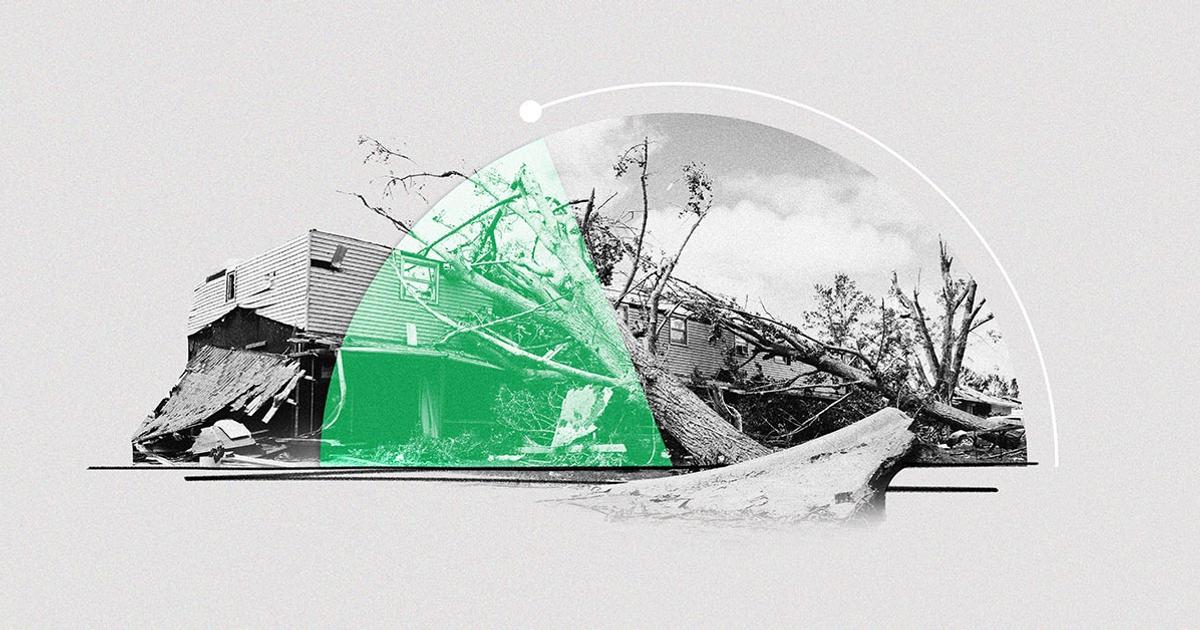
WASHINGTON, D.C. — As extreme weather disasters grow more frequent and costly across the U.S., nearly four in 10 Americans say their community has felt the damage firsthand in the past year.
Almost six in 10 U.S. adults whose communities suffered extreme weather damage in the past year are worried it will happen again in the next year, according to a nationally representative web survey conducted Feb. 26-March 6, 2026, for the Walton Family Foundation-Gallup How Opportunity Takes Root study.
Worry runs highest in the Mountain Census division, where roughly three-quarters of affected residents are concerned about extreme weather damage in the next year, even though the area has one of the lowest rates of reported past damage. This worry likely reflects the severe drought conditions that have persisted in the region.
Many in U.S. Experienced Extreme Weather Damage in Past Year
About four in 10 Americans, 38%, say their town or city has been affected by damage from extreme weather in the past year, while 62% say it has not been.
###Embeddable###
Extreme weather damage is reported most often in the East South Central division, where 58% of residents say their community was affected in the past year. This division includes Alabama, Kentucky, Mississippi and Tennessee.
Forty-seven percent of residents in the West South Central division and 43% in the Middle Atlantic division are worried about such damage, both above the national average. Meanwhile, the Mountain and East North Central divisions report the lowest rates, at 26% and 28%, respectively.
###Embeddable###
Majority of Affected Americans Worry About Future Extreme Weather Damage
Almost six in 10 U.S. adults whose communities were damaged by extreme weather in the past year are very (14%) or somewhat (43%) worried about extreme weather damage over the next 12 months. Another 37% are not too worried, and 6% are not worried at all.
###Embeddable###
Worry about future extreme weather damage does not appear to drive people out of their communities. Similar shares of those who are and are not worried about future damage say they are unlikely to move in the next two years (64% vs. 69%).
Concern about future extreme weather damage is highest in the Mountain Census division, where 74% of affected residents say they are worried, including 24% who are very worried. The West South Central division is the next closest, with 62% expressing worry.
New England stands out at the other end, with just 43% of affected residents saying they are worried about extreme weather damage in their area in the next year, the only Census division below the majority level.
###Embeddable###
The Mountain Census division, most of which overlaps with the Colorado River Basin, is the only division in which a majority of residents (53%) strongly agree that access to nature makes their town or city a desirable place to live.
A majority of Mountain division residents, 55%, also say they have experienced drought conditions in the past year, more than double the 24% national average. Eighty-five percent of those in this division who have been impacted by drought in the past year are worried that extreme weather damage will impact their community in the next year.
Implications
Last year, the U.S. registered 23 weather- or climate-related disasters that each caused at least $1 billion in damage, together costing roughly $115 billion in damages. These events threaten resources that Americans recognize as essential, according to the How Opportunity Takes Root study: 84% of U.S. adults say access to nature improves the quality of life in their towns and cities, and 64% say nature is essential to their community’s economy.
When extreme weather damages natural spaces and water systems, it not only disrupts daily life but also undermines the environmental foundations that communities depend on. In addition, extreme weather can strain essential conditions such as stable jobs and affordable housing, which are already in short supply for many Americans.
Learn more about the Walton Family Foundation-Gallup How Opportunity Takes Root study.
Stay up to date with the latest insights by following @Gallup on X and on Instagram.
###Embeddable###