

2026 World Cup: How Haiti’s anthem was made in Miami
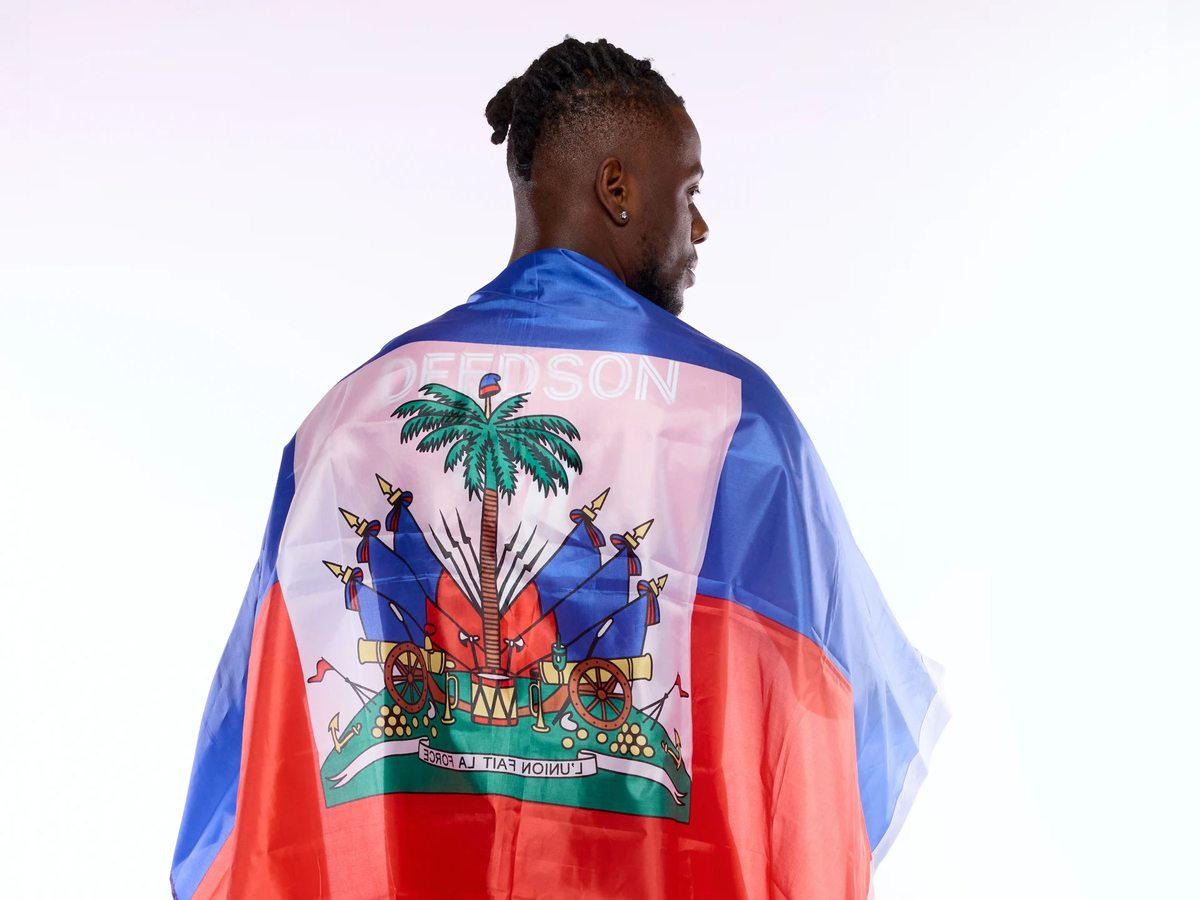
Artists from Haiti, Jamaica and the Haitian diaspora recently came together on a new song titled “Haiti On The Go!”
Released on June 11, the song features Jamaican dancehall legend Buju Banton, who sings part of his verse in Haitian Creole; the Miami radio personality and NBC6 contributor Stichiz; and Mickael Marabou and Colmix, with production led by Grammy Award-winning producer, songwriter and musician Jerry Wonda Duplessis.
The song was inspired by Haiti’s qualification for the 2026 FIFA World Cup, and it came as the country returned to football’s biggest tournament after more than 50 years.
Duplessis, born in Haiti and behind international hits such as Shakira’s “Hips Don’t Lie” and Santana’s “Maria Maria”, spoke on why he led the project.
“It doesn’t matter how much the country’s going through, the players work so hard to really get to the World Cup,” said the musician and record producer, who was a key figure in the development of the Fugees. “So I was like, you know what, I’m doing a song, but one of the things that I’ve been doing is adding value through music,” Duplessis said to NBC Miami.
Stichiz also said of the anthem, “It was amazing, and kudos to Jerry, and of course, Booju Banton, to Cool Mix, Ma Booth, Top Adler, and everybody who was on the song, and even the musicians, just being in the space.”
“Haiti On The Go!”, made in South Florida, had its video shot at Chef Creole, the restaurant in the heart of Little Haiti, according to NBC Miami.
One of the highlights of the song comes from Jamaican musician Buju Banton’s verse, done partly in Haitian Creole to help bring together two islands.
Stichiz believes the anthem represents a new chapter rather than a conclusion.
“This is part of the start, part of, and history has already been made,” she said.
Haiti returned to the World Cup this year after 52 years, and once again, the national team, Les Grenadiers, did not disappoint fans at soccer’s biggest stage.
In 1974, when they first qualified for the World Cup in West Germany, they did so under the guidance of coach and former player Evariste Saint-Louis, but the road to the international stage was not easy.
They had to beat strong opponents during the qualifiers before managing to get to the top, largely due to their amazing performance and can-do spirit.
Qualifying for the 1974 World Cup was big news for the small nation, drawing celebrations throughout the country and uniting everyone around the national team.
Even though the country lost all three matches it played in the 1974 World Cup, it won many new fans during its campaign.
In other words, Les Grenadiers exited the World Cup at the group stage, but they did not do so without stealing the hearts of the football world. They showed the world that they could compete with the biggest nations and make an impact, no matter the outcome.
Today, only 13 players from that historic World Cup team are still alive, and Pierre Bayonne, then a 24-year-old defender on the soccer team, is one of them. Recently, in Little Haiti, he and the other players were honored by Art Beat Miami and members of the Haitian community for putting the country on the map.
Fifty-two years on, Haiti played against Scotland, Brazil and Morocco at this year’s World Cup. Despite being eliminated in the group stage without a point, the Haitian national team captured the hearts of football fans once more.