

10 businesses in billionaire Simon Rudland’s Zimbabwean empire
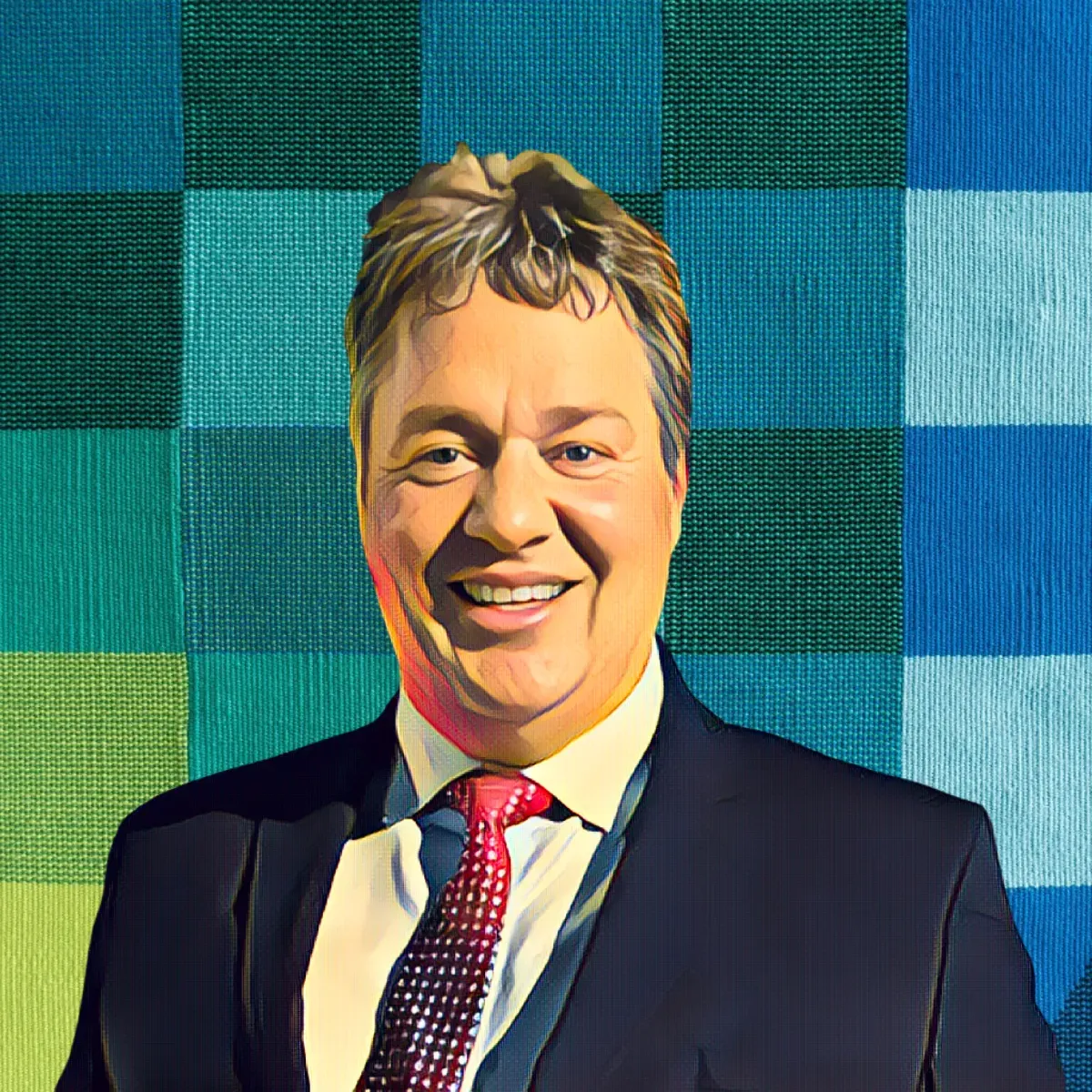
Simon Rudland started as a mechanic at Delta Beverages. He was born in Harare in 1971 and is now 55. His businesses employ more than 10,000 people across southern Africa and span manufacturing, agriculture, finance, logistics, mining and banking in Zimbabwe and the Democratic Republic of Congo.
Almost none of it is listed, which makes the empire unusually hard to see. Here is what is in it.
1. Gold Leaf Tobacco Corporation
The business that made his name. Rudland co-owns Gold Leaf with Yakub Mahomed, and it became one of southern Africa’s largest cigarette manufacturers by outlasting everyone who started alongside it.
Its early brands were Sahawi and Pacific, taking share from the multinationals through the 2000s while comparable operations run by John Bredenkamp and Tribert Rujugiro Ayabatwa collapsed. Gold Leaf now manufactures across Zimbabwe, South Africa and the SADC region.
The company has also been the target of most of the legal action against him, dealt with below.
2. Cut Rag Processors
The single largest thing he has built. The plant occupies a site in Harare’s Aspindale industrial area, cost $102 million and runs German and Italian machinery across primary and secondary production lines.
Capacity is 60,000 cigarette master cases and three million kilogrammes of export cut rag a month. Cut rag is processed tobacco, the stage between raw leaf and a finished cigarette, and Zimbabwe has spent years trying to capture that value domestically rather than shipping leaf abroad. The country’s tobacco value chain is worth about $5 billion.
President Emmerson Mnangagwa commissioned it on Nov. 19, 2025, with Vice President Constantino Chiwenga and industry minister Mangaliso Ndlovu present.
3. Rudland & George
Rudland launched the R&G cigarette brand in 2015. Savanna Tobacco, the Zimbabwean owner of Remington Gold, took him to court over the resemblance and won, with the judge finding the name caused prejudice. R&G became Rudland & George.
The brand signed a five-year sponsorship of Dynamos Football Club, Zimbabwe’s most-supported side, in 2019.
4. Remington Gold
Two years after losing the trademark case, he bought the brand that beat him. Rudland acquired Remington Gold outright in 2017 from Tonbridge Assets, the Swiss company that owned it.
5. Unifreight Africa
The oldest business in the portfolio and the only one still listed. Rudland and his brother Hamish founded Pioneer Transport in 1995 and spent the following decade buying struggling competitors, absorbing Unifreight, which owned Swift Transport, along with Bulwark and Clan. The combined operation became Pioneer Corporation Africa and now trades as Unifreight Africa on the Zimbabwe Stock Exchange under the code UNIF.
It runs bulk freight, bulk liquids, specialised products, luxury and economy passenger services, collection and distribution, household removals, contract hire, and national and international courier services across sub-Saharan Africa.
Swift added 100 trucks to its Zimbabwean fleet in March. Chief executive Richie Clark cited demand across domestic and regional supply chains and the need to handle larger and more complex loads.
6. Orangeville
The newest and, after Cut Rag, the most substantial. Rudland commissioned a $25 million citrus processing plant at Beitbridge, the border town on the Limpopo crossing into South Africa, at the end of July. Orangeville was established there in 2024 with $20 million, and a further $5 million followed.
The plant is certified to supply citrus juice to Schweppes Zimbabwe and is targeting regional export markets. It also extracts orange essential oil for the cosmetics industry and converts citrus residue into livestock feed supplements and pellets, which gives it a second revenue line from waste.
Orangeville employs about 350 people, roughly 60% of them seasonal, and management projects at least 1,500 within five years as a 5,000-hectare citrus estate near Beitbridge comes into production. A contract farming programme runs alongside it. The plant draws about 40% of its water from Zhove Dam, and the company has built around 90 employee housing units and two hostels.
Management has named inconsistent fruit supply from surrounding farmers and high transport costs as its main constraints. Albert Nguluvhe, the Matabeleland South Minister of State for Provincial Affairs, toured the site and pressed the company to add fodder production, a workers’ clinic and a preschool.
One caution on the figure. ZimEye has noted that Zimbabwean reports have given different numbers for the Orangeville investment, including one that put it at $500,000.
7. Sogo
A fuel station brand expanding across Zimbabwe, including an outlet at Mvurwi positioned on a freight corridor to serve truckers, bus operators and surrounding communities. A haulage fleet that owns its own forecourts buys diesel at cost.
8. CFI Holdings
The Rudlands bought into the agricultural group through Day River Corporation, their Zimbabwe Stock Exchange investment vehicle, during their decade of activity on the exchange. Zimre Holdings remains CFI’s major shareholder, which means the position now sits under state control following the transaction described below.
9. Zimre Holdings, until 2023
The largest listed position the family held, and the one they no longer have.
The brothers took control of the insurance and reinsurance group in a 2015 rights issue in which only 18.03% of shareholders followed their rights, sharply diluting the government. An empowerment lobby wrote to the state calling it an attack on local economic empowerment. Day River ended up with 33.81% against the government’s 27.38%, with the National Social Security Authority on 15.24%.
The government bought them out in July 2023, taking ownership of Day River itself and appointing the banker Nicholas Vingirai to the Zimre board. Hamish Rudland said he had served ten years, could not add further value and would focus elsewhere. Day River sold its remaining Zimre stake to the Mutapa Investment Fund, Zimbabwe’s sovereign wealth fund, in 2024.
That 33.81% is the only disclosed shareholding anywhere in the Rudland structure, and it is gone.
10. Farms and mines in Zimbabwe and the DRC
Rudland holds farming and mining interests in both countries, alongside banking and commercial interests across several African markets. Neither the assets nor the licences have been publicly identified, and no production figures exist.
What belongs to his brother, not to him
Most accounts blur this and it is worth separating.
Magister, registered in Mauritius, belongs to Hamish. It engineered the consolidation of Zimplow and Unifreight subsidiaries and then moved on Tongaat Hulett, underwriting roughly R2 billion of a rights issue at the South African sugar producer with a path to 60% of a company making 43% of South Africa’s sugar.
South Africa’s Takeover Regulation Panel reversed its approval after finding that Simon’s three daughters held indirect shares in Magister through a trust, and refused to relax the rules. Their mother, Adrienne Rudland, owns Braemar, a company registered in the United Arab Emirates.
The allegations attached to all of it
Rudland denies every one of the following.
Al Jazeera named him in its 2023 Gold Mafia investigation as the principal financier of a gold smuggling syndicate, based on claims by the self-confessed smuggler Ewan Macmillan. He called the documentary sensational propaganda, demanded a public apology and said he would sue for reputational harm.
The South African Revenue Service obtained a preservation order in August 2022 freezing assets belonging to Gold Leaf and its directors, including him, over alleged tax evasion. An earlier South African investigation alleging that Gold Leaf and Sahawi sold cigarettes without paying VAT or excise was dropped after the warrants were challenged in the Supreme Court of Appeal.
In March this year his lawyer Norman Chimuka gave the Zimbabwe Broadcasting Corporation two days to retract an article accusing him of financing protests aimed at unseating Mnangagwa, saying it falsely and maliciously accused him of sponsoring sedition against an elected government.
In August 2019 he was shot three times outside the Fair Trade Independent Tobacco Association offices in Johannesburg. Nobody was ever charged.
Credit: Source link