

𝐁𝐚𝐜𝐤𝐢𝐧𝐠 𝐭𝐡𝐞 𝐀𝐑𝐑𝐄𝐒𝐓 𝐀𝐠𝐞𝐧𝐝𝐚: 𝐏𝐫𝐨𝐠𝐫𝐞𝐬𝐬, 𝐆𝐚𝐩𝐬, 𝐚𝐧𝐝 𝐊𝐞𝐲 𝐀𝐫𝐞𝐚𝐬 𝐟𝐨𝐫 𝐈𝐦𝐩𝐫𝐨𝐯𝐞𝐦𝐞𝐧𝐭 | Commentaries
Liberia presently stands at an important juncture in its democratic and developmental evolution. Since assuming office in January 2024, President Joseph Nyuma Boakai has advanced the ARREST Agenda for Inclusive Development as the central policy framework intended to guide national recovery, institutional renewal, and socioeconomic transformation. As a diplomat, traditional leader, and concerned citizen, I believe that patriotism requires both constructive support for national leadership and honest engagement on areas where improvement remains necessary.
The Liberian people are not expecting instant transformation. Rather, they seek consistent leadership, inclusive governance, and measurable progress that improves the quality of life across the country. In this regard, the current administration has made commendable strides in several important sectors while also facing challenges that require greater urgency, coordination, and inclusiveness.
One notable area of progress has been the effort to restore confidence in public governance and state institutions. The administration’s emphasis on accountability, institutional discipline, and transparency has contributed positively toward rebuilding public trust. Strengthening anti-corruption mechanisms and reinforcing standards in public service are essential steps toward consolidating democratic governance and restoring institutional credibility.
The renewed national attention to infrastructure and agricultural connectivity is equally significant. For many years, inadequate road networks have limited economic activity and isolated large segments of the population from markets and essential services. Investments in farm-to-market roads are, therefore, not merely infrastructure initiatives; they are strategic interventions that directly impact food security, trade, rural livelihoods, and national economic integration.
The administration’s focus on education, technical training, and youth empowerment also deserves recognition. Liberia’s youthful population represents both a challenge and a tremendous national asset. Expanding access to technical and vocational education, alongside support for higher learning institutions, creates pathways toward employment, productivity, and long-term national stability.
Additionally, Liberia’s renewed engagement with regional and international partners has enhanced the country’s diplomatic standing and development prospects. Constructive relations with ECOWAS, the European Union, the United States, and multilateral institutions are critical for attracting investment, strengthening institutional capacity, and supporting economic recovery efforts.
Notwithstanding these positive developments, there remain several key areas where the administration can further strengthen implementation and deepen public confidence in the ARREST Agenda.
Key Areas for Improvement:
𝐒𝐭𝐫𝐞𝐧𝐠𝐭𝐡𝐞𝐧𝐢𝐧𝐠 𝐏𝐫𝐨𝐣𝐞𝐜𝐭 𝐃𝐞𝐥𝐢𝐯𝐞𝐫𝐲 𝐚𝐧𝐝 𝐒𝐭𝐫𝐚𝐭𝐞𝐠𝐢𝐜 𝐂𝐨𝐦𝐦𝐮𝐧𝐢𝐜𝐚𝐭𝐢𝐨𝐧
Public confidence in governance is ultimately shaped by visible and measurable outcomes. Citizens across Liberia expect timely implementation of national projects and clear communication regarding development priorities. Establishing a transparent public reporting mechanism — including periodic updates on project locations, budgets, contractors, and implementation status — would significantly enhance accountability and reinforce trust between government and citizens.
𝐀𝐝𝐯𝐚𝐧𝐜𝐢𝐧𝐠 𝐈𝐧𝐜𝐥𝐮𝐬𝐢𝐯𝐞 𝐆𝐨𝐯𝐞𝐫𝐧𝐚𝐧𝐜𝐞 𝐖𝐢𝐭𝐡𝐢𝐧 𝐋𝐢𝐛𝐞𝐫𝐢𝐚’𝐬 𝐔𝐧𝐢𝐭𝐚𝐫𝐲 𝐒𝐭𝐚𝐭𝐞
Liberia’s constitutional structure as a unitary state should not be interpreted as a framework for excessive centralization. Rather, it should serve as a mechanism for national cohesion while ensuring broad participation in governance and development.
All counties must feel adequately represented within national institutions and decision-making processes. Inclusive governance requires greater engagement with County Development Councils, traditional authorities, women’s organizations, youth groups, and civil society stakeholders. Their participation in local development planning and implementation strengthens ownership, legitimacy, and sustainability.
Equally important is the need for balanced representation within public institutions and state enterprises. National appointments and opportunities should reflect Liberia’s regional diversity and reinforce the principle that every county has a meaningful stake in national governance.
𝐀𝐝𝐝𝐫𝐞𝐬𝐬𝐢𝐧𝐠 𝐭𝐡𝐞 𝐂𝐨𝐬𝐭 𝐨𝐟 𝐋𝐢𝐯𝐢𝐧𝐠 𝐚𝐧𝐝 𝐄𝐜𝐨𝐧𝐨𝐦𝐢𝐜 𝐏𝐫𝐞𝐬𝐬𝐮𝐫𝐞𝐬
The economic realities facing ordinary Liberians remain a matter of significant concern. Rising transportation costs, food insecurity, and limited household purchasing power continue to affect vulnerable communities across the country. While long-term reforms remain necessary, targeted interventions aimed at strengthening local agricultural production, stabilizing essential commodity pricing, and expanding social protection programs would provide meaningful relief to struggling households.
𝐄𝐧𝐡𝐚𝐧𝐜𝐢𝐧𝐠 𝐀𝐜𝐜𝐨𝐮𝐧𝐭𝐚𝐛𝐢𝐥𝐢𝐭𝐲 𝐢𝐧 𝐒𝐭𝐚𝐭𝐞-𝐎𝐰𝐧𝐞𝐝 𝐄𝐧𝐭𝐞𝐫𝐩𝐫𝐢𝐬𝐞𝐬
State-Owned Enterprises occupy a critical position within Liberia’s economic structure and public service delivery system. Consequently, their operations must be guided by transparency, efficiency, and measurable performance standards. Regular publication of institutional performance reviews and financial accountability reports would improve oversight and strengthen public confidence in the management of national resources.
𝐄𝐱𝐩𝐚𝐧𝐝𝐢𝐧𝐠 𝐏𝐫𝐚𝐜𝐭𝐢𝐜𝐚𝐥 𝐚𝐧𝐝 𝐄𝐪𝐮𝐢𝐭𝐚𝐛𝐥𝐞 𝐘𝐨𝐮𝐭𝐡 𝐎𝐩𝐩𝐨𝐫𝐭𝐮𝐧𝐢𝐭𝐢𝐞𝐬
Youth empowerment initiatives must be implemented in a manner that is transparent, decentralized, and equitable. Technical training programs, entrepreneurship support initiatives, and employment opportunities should be distributed fairly across all counties. Clear implementation frameworks and transparent beneficiary selection processes are necessary to ensure that opportunities reach deserving young Liberians throughout the country.
Beyond government responsibilities, citizens and community leaders also have a vital role to play in national development. As traditional leaders, we must continue to promote peace, social cohesion, lawful conduct, and constructive community engagement. Sustainable national progress cannot be achieved through government action alone; it requires shared responsibility and collective commitment from all sectors of society.
President Boakai inherited significant structural, fiscal, and institutional challenges that cannot be resolved within a short period of time. It is therefore important that all Liberians demonstrate patience, national unity, and constructive engagement throughout this process. No administration can succeed in isolation. The success of the ARREST Agenda will depend not only on government leadership, but also on the cooperation and support of citizens, civil society, traditional institutions, the private sector, and political stakeholders across the country.
The coming years will be decisive for Liberia’s development trajectory. Citizens rightly expect visible improvements in infrastructure, governance, economic opportunity, and public service delivery. If the administration succeeds in combining effective central coordination with inclusive local participation, the ARREST Agenda has the potential to become a transformative national legacy rather than merely a policy framework.
Liberia’s progress will ultimately be measured not only by policies announced, but by the extent to which every county, community, and citizen feels included in the nation’s advancement.
Liberia prospers most when all its people move forward together with unity, purpose, and shared national responsibility.
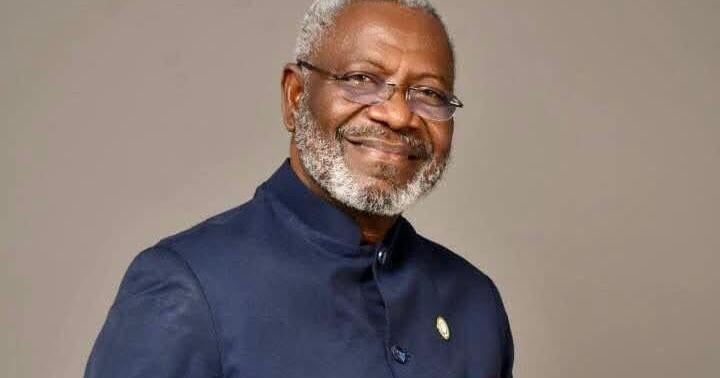
𝑷𝒓𝒐𝒇. 𝑪𝒉𝒊𝒆𝒇 𝑾𝒊𝒍𝒍𝒊𝒂𝒎 𝑫𝒆𝒂𝒉 𝑫𝒆𝒊𝒚𝒂𝒏 𝑻𝒐𝒘𝒂𝒉, 𝑷𝒉.𝑫. 𝒊𝒔 𝒂 𝑻𝒓𝒂𝒅𝒊𝒕𝒊𝒐𝒏𝒂𝒍 𝑳𝒆𝒂𝒅𝒆𝒓, 𝑫𝒊𝒑𝒍𝒐𝒎𝒂𝒕, 𝑨𝒄𝒄𝒐𝒖𝒏𝒕𝒂𝒏𝒕, 𝒂𝒏𝒅 𝑷𝒖𝒃𝒍𝒊𝒄 𝑷𝒐𝒍𝒊𝒄𝒚 𝑬𝒙𝒑𝒆𝒓𝒕.
Credit: Source link